© Vietato l'utilizzo dei contenuti senza autorizzazione
Marche
Ancona Ascoli Piceno Fermo Macerata Pesaro and Urbino
I lived in this land for six years of my childhood, and also in the rest of my life I returned often, because here I always found new places to discover. Starting from the hills of Montefeltro, up and down the Apennine mountains to smell the scent of Tuscany and Umbria up to the wild Sibillini mountains, and then finally return to the hills dear to Leopardi in a circuit of uncontaminated nature. The coast is for all tastes: low and sandy in the north and south of the region, rocky in the center with spectacular coves in the Conero Riviera. Dozens of medieval villages with castles, abbeys, churches such as the
Santuario di Loreto to enrich my culture. To finish the food: as an appetizer I would start with some Olive Ascolane di Mare; for the first course a baked pasta from Macerata called Vincisgrassi; as second the Stoccafisso all’Anconetana all accompanied by a red wine like Sangiovese or a white wine like Verdicchio di Jesi.
Province of Ancona
Area: 1963.06 km² Population: 461,966 Municipalities: 47
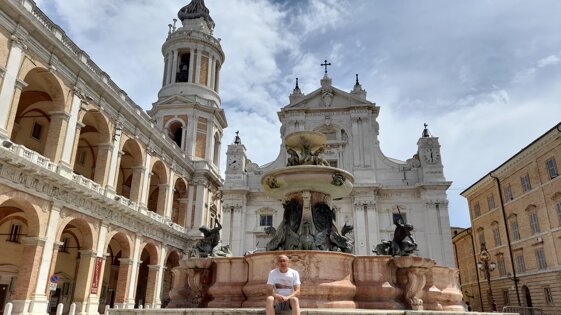
Loreto: Madonna Square
Loreto: Madonna Square
Travel photos...
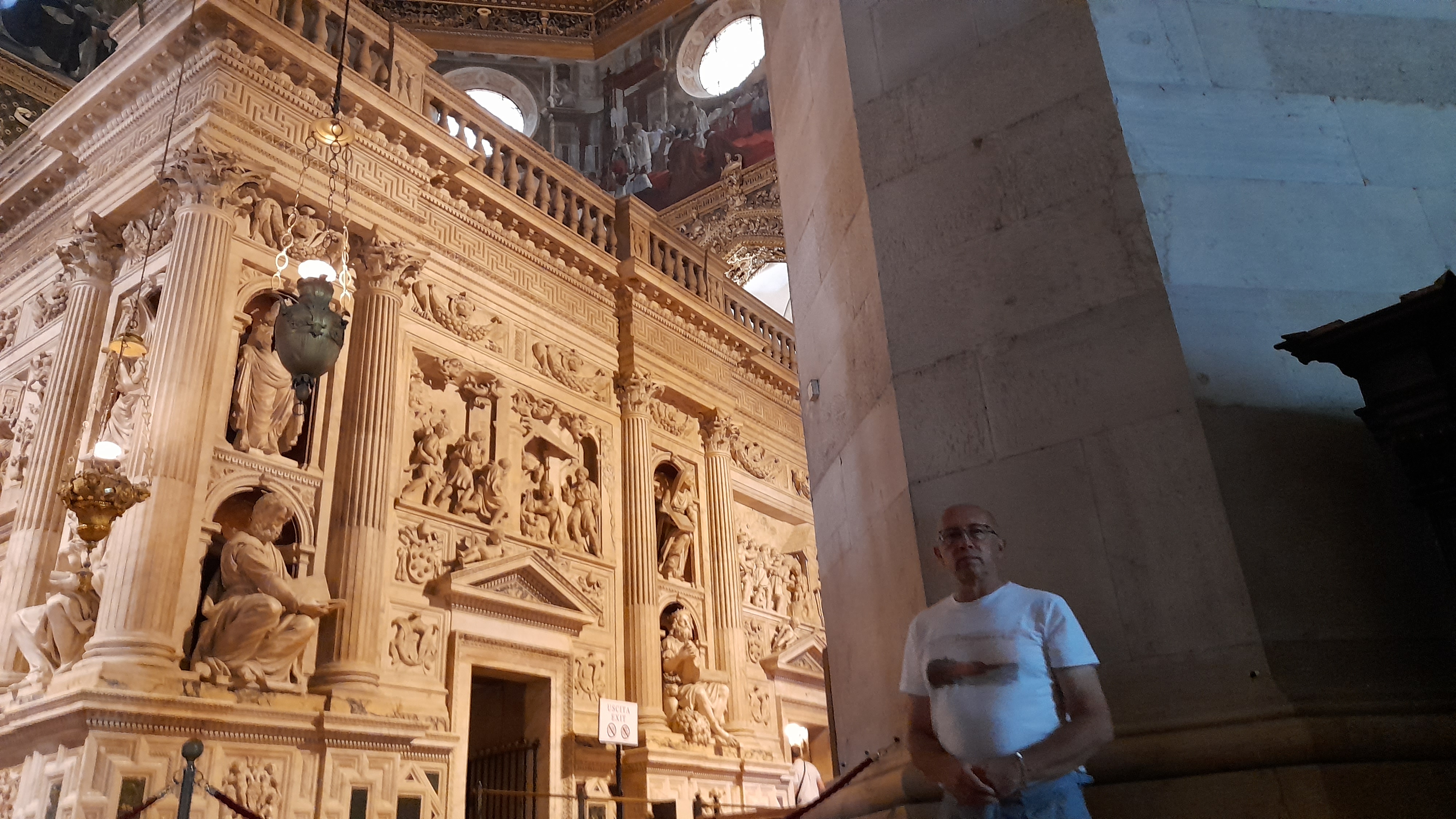

Loreto
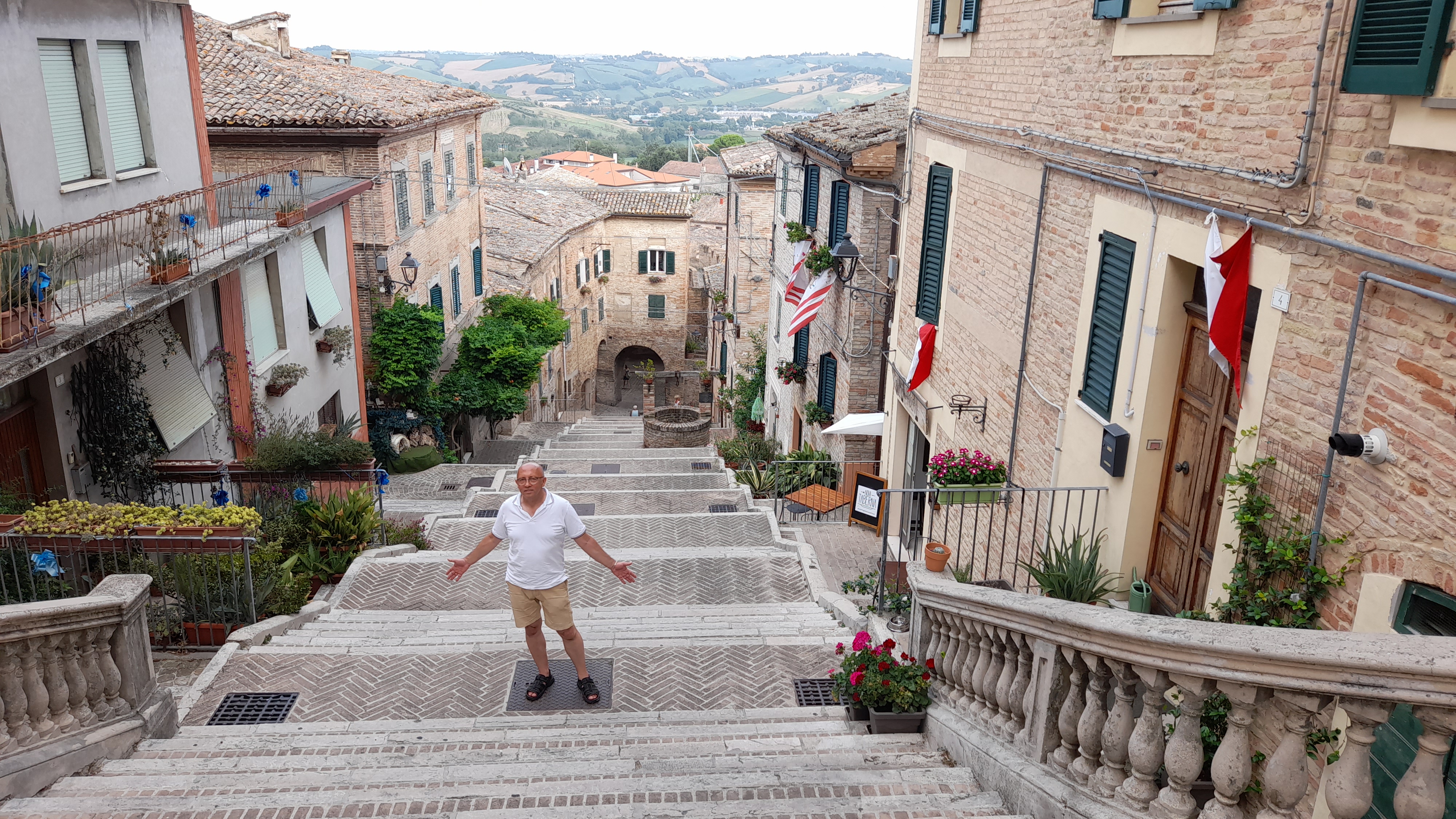
Corinaldo
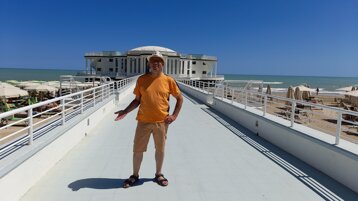
Senigallia
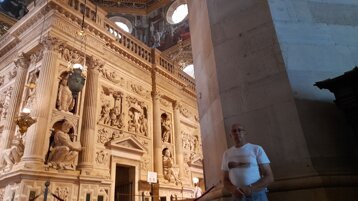
The Holy House inside the Sanctuary
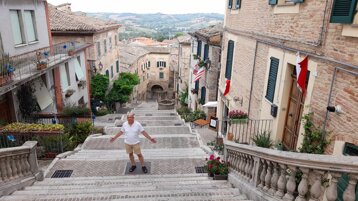
Via la Piaggia better known as "The Staircase"
The Rotonda a Mare
Province of Macerata
Area: 2780.80 Km² Population: 303,510 Municipalities: 55
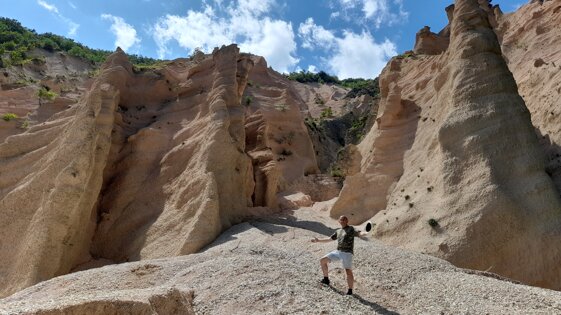
The "Red Blades", the Grand Canyon of the Sibillini Mountains
The "Red Blades", the Grand Canyon of the Sibillini Mountains
Travel photos...
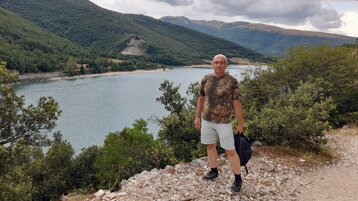
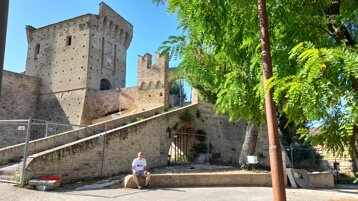
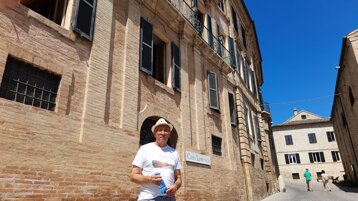
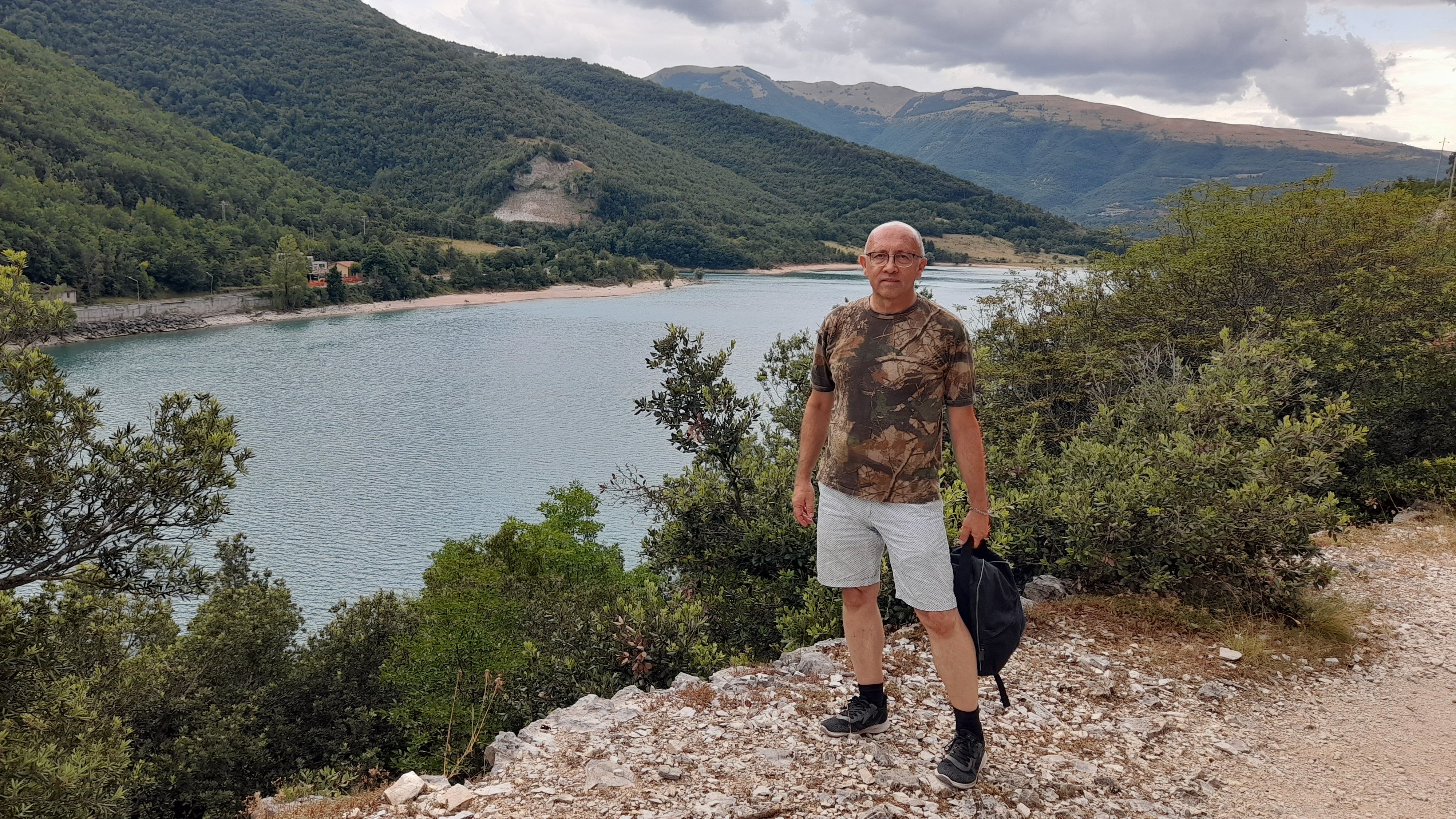
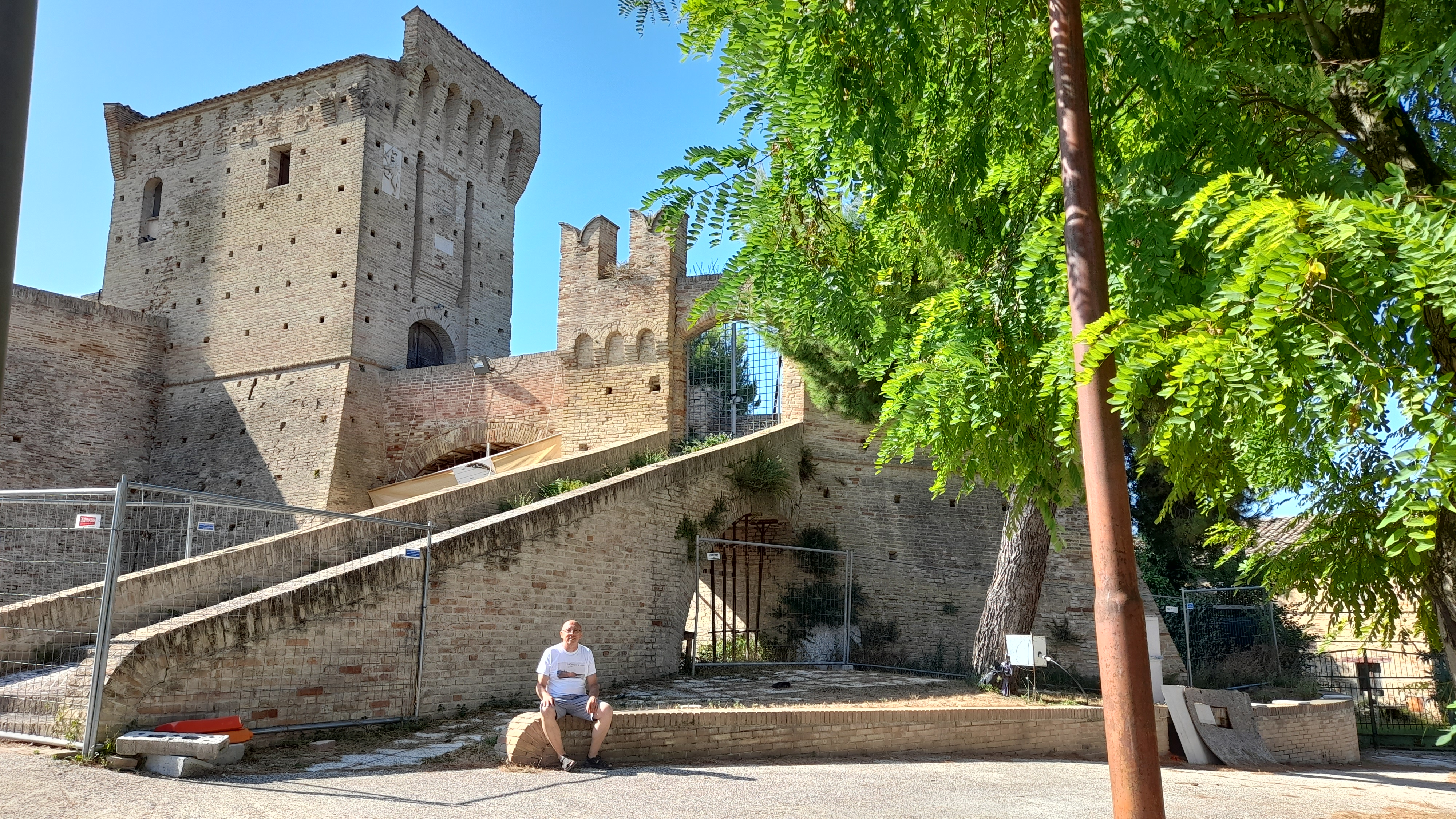
Lake of Fiastra
Montefiore
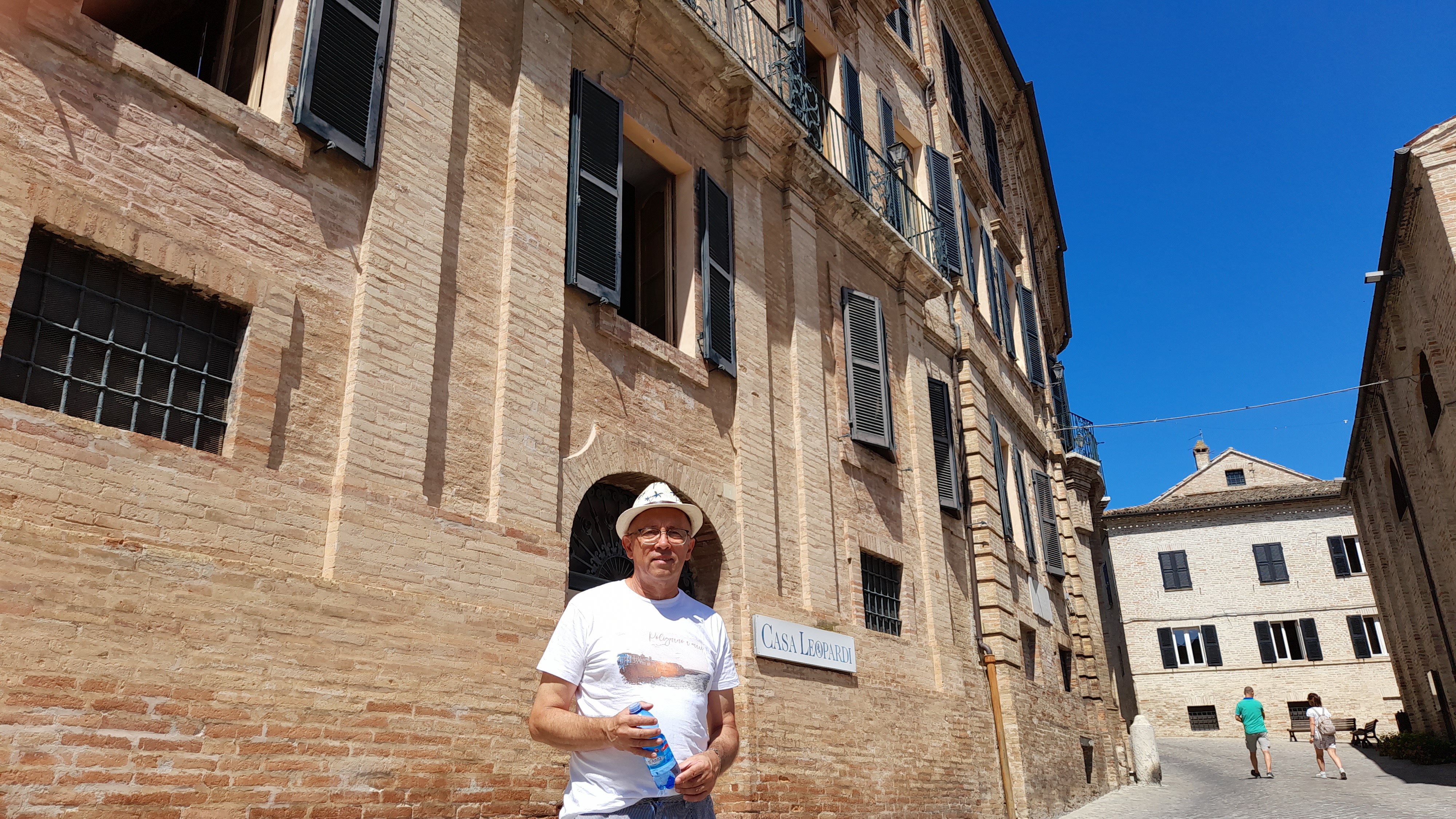
Recanati
Artificial lake located within the Sibillini Mountains
Renaissance Castle
Birthplace of Giacomo Leopardi
Province of Pesaro and Urbino
Area: 2509.86 Km² Population: 350,335 Municipalities: 50
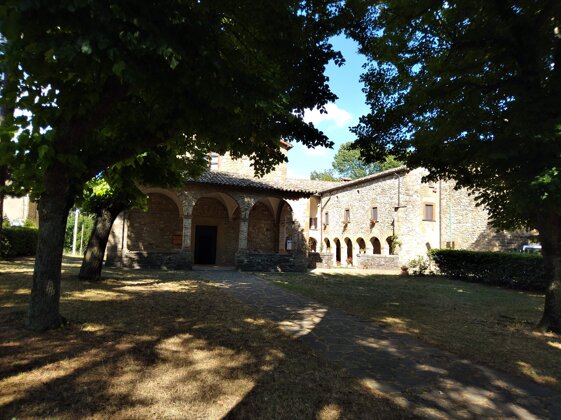
Carpegna: Romanesque Parish Church of San Giovanni Battista
Carpegna: Romanesque Parish Church of San Giovanni Battista
travel stories...
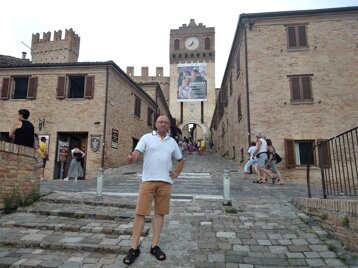
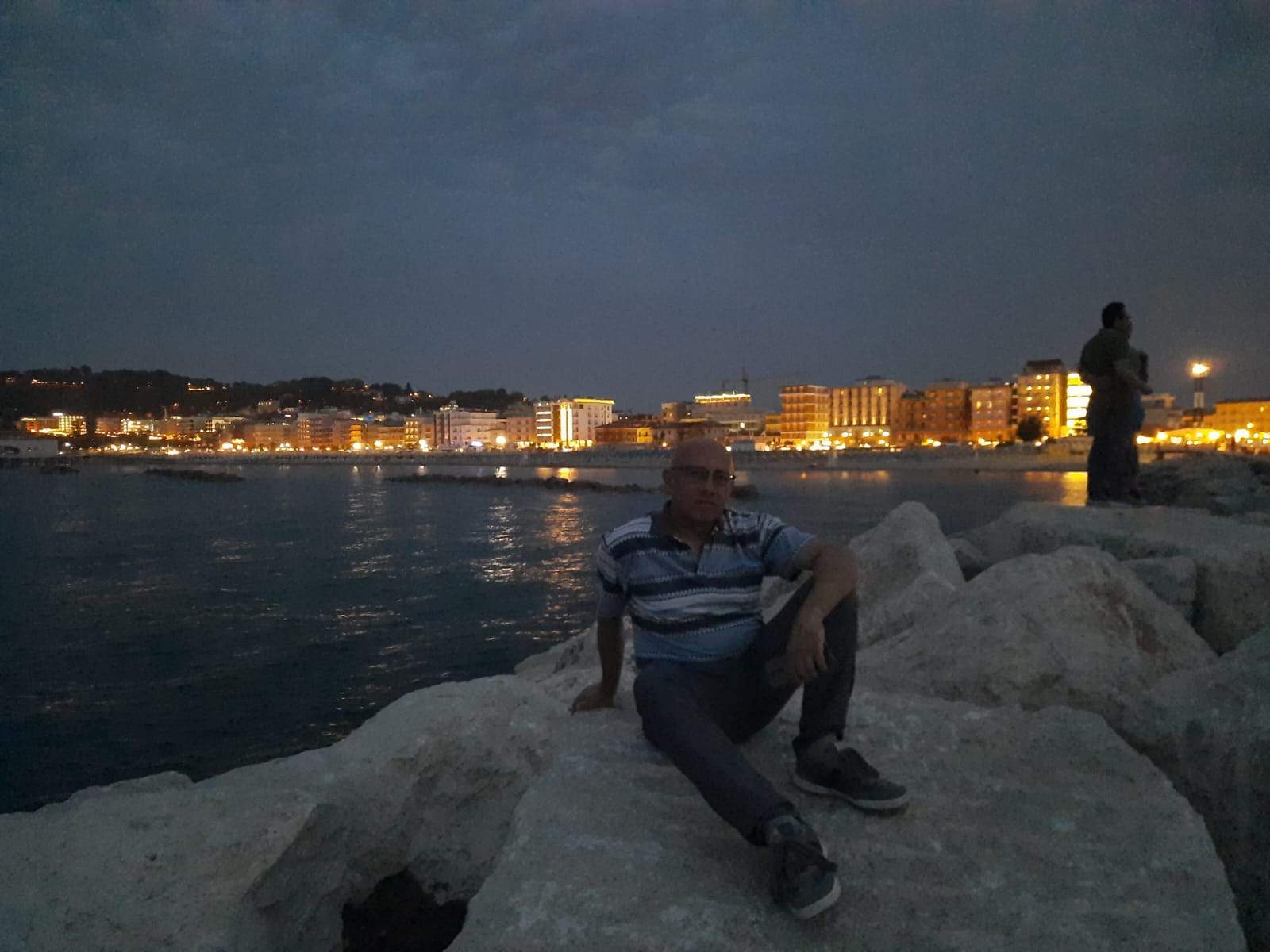

Gabicce Mare
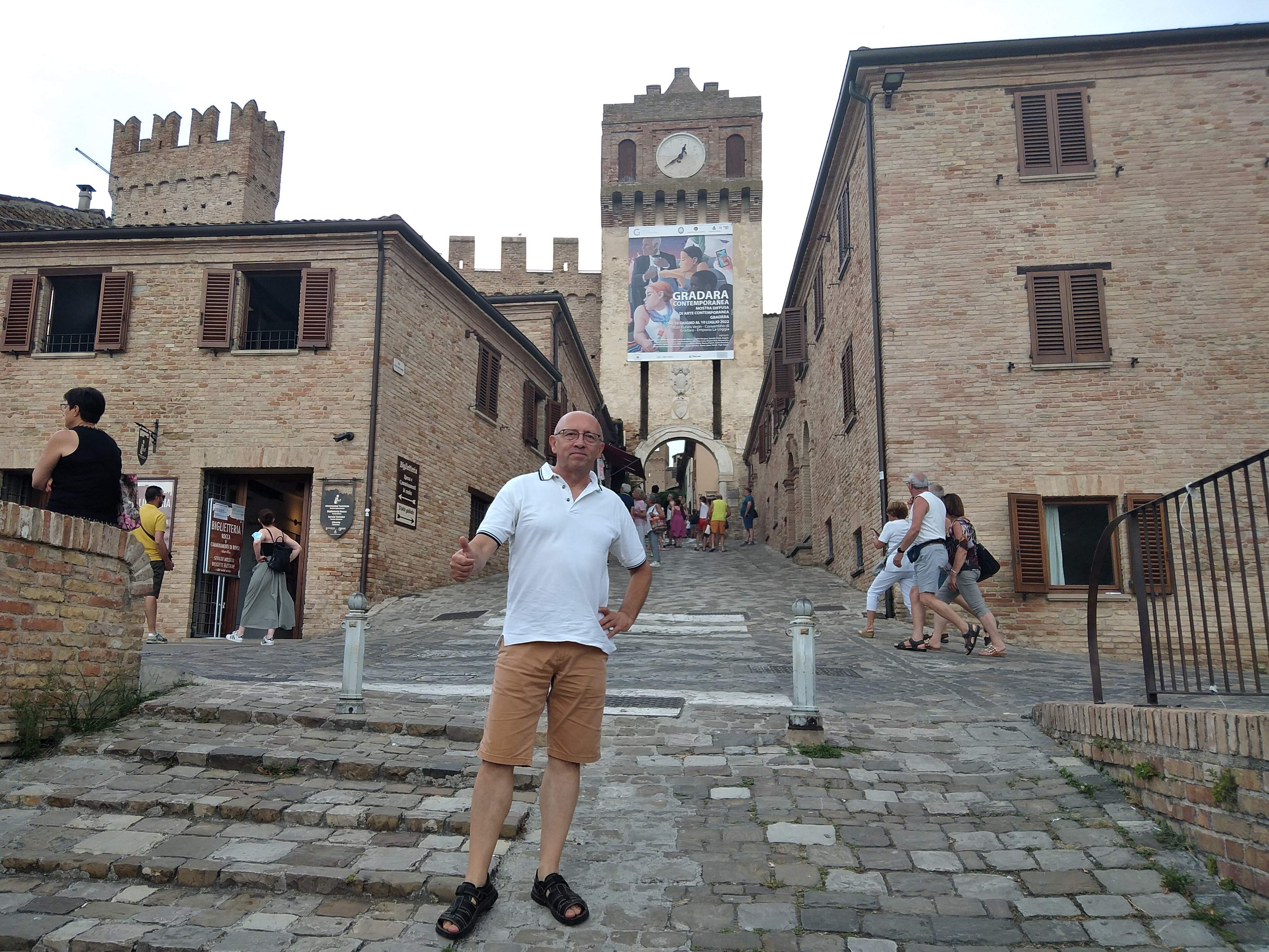
Gradara Castle
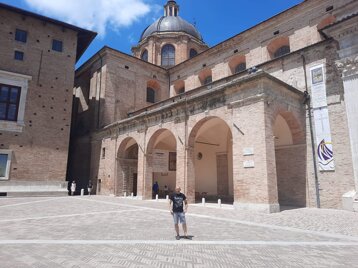
Urbino
Three days in this holiday resort, which rightly, unlike many municipalities in
Montefeltro, has resisted the sirens of Romagna and has remained
Marche. During the day the town has no particular things to
visit; only the large sandy beach that is entirely occupied
by bathing establishments; the small and
nice free beach, but very far from the center in the northern part of the town.
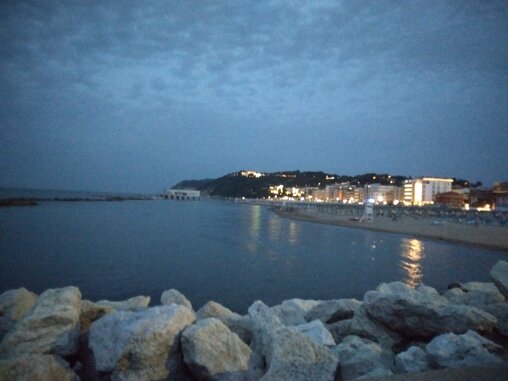
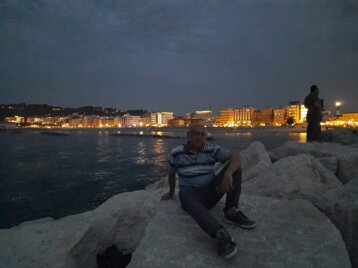
When the evening shadows fall, the lights of the seafront
enliven the place that still maintains a tranquil atmosphere. I cross the
pedestrian bridge over the Tavollo river where I find a small restaurant on the
seaside and have dinner with my feet in the sand. Later a mint granita
refreshes me while the little train that shuttles between the
coastal part and the mountain village passes along the avenue. I walk along the pier to the
Red Lighthouse; on the way back I sit on the white rocks to enjoy the breeze
coming from the sea; behind me the night lights illuminate
Gabicce.
This castle belonged
to the noble Rimini family of Malatesta and is famous for a song
of the Divine Comedy that tells the story of Paolo and Francesca
who saw their love born in the rooms of this fortress and
found death here at the hands of her husband. Having luckily found
free parking near the manor, I climb a steep road
to the entrance of the fortified citadel. Once I reach the first
wall, I enter the village passing under the Porta dell’Orologio.
The road is dotted with inns, shops and stores that in their
names or in the products they sell recall the two unfortunate lovers. It is
pleasant to browse in search of a souvenir to take home,
even if all this commerce contrasts a bit with the romanticism of
the place. I reach a second gate that gives access to the Fortress and the
possibility of walking on the mighty walls, all this after having
paid an entrance fee. A girl with a
beautiful specimen of Eagle Owl on her arm announces a show of
falconry. I leave this place with the intention of returning, perhaps
in sweet company; in the evening with the fortress illuminated.
On one of my tours of the
hills of the Marche I stopped in this city. Coming from
Fermigliano, I skirt the mighty walls and park comfortably in
Via Matteotti at the foot of the historic center. I climb the steep
Via Saffi; a suggestive porphyry climb between old houses with
exposed bricks. Along the road there are the faculties of one of
the most prestigious universities in Italy. Once at the top the
road flattens, widens to make room for ancient buildings; I am in
Piazza Rinascimento: in the center the Egyptian Obelisk; to my right
the Gothic Church of San Domenico; to the left Palazzo Ducale ancient
residence of Federico da Montefeltro, today home to the Galleria Nazionale
delle Marche. After a visit to the Cathedral, I find shelter from the
heat by resting on the steps in front of the Grotta del Duomo.
I continue my walk; the streets are teeming with university students who
seem to be many more than the inhabitants of Urbino. In a souvenir shop I take the usual souvenir T-shirt. I end my visit in front of Raphael's birthplace, a symbol of this Renaissance city.