© Vietato l'utilizzo dei contenuti senza autorizzazione
Umbria
Perugia Terni
This region is in the center of the Italian peninsula; a small, mainly hilly territory that holds great treasures. In my
wanderings I discovered a land with a green heart where the blue of fresh waters such as Lake Trasimeno, the Tiber River and
the beautiful Marmore Falls abound. As a young backpacker I participated in Umbria Jazz, an important music festival, visiting
medieval cities such as Perugia, Assisi with a climb to the Eremo delle Carceri, Gubbio and Spoleto. The Umbrian cuisine, very tasty,
gave me the fuel to enjoy long walks surrounded by so much beauty. Among my favorite dishes are Bruschette, Ciriole
alla Ternana, Tagliatelle with Truffles and if you want to indulge in a one-off sin of gluttony, Norcia Sausage and Porchetta di Bastia
Umbra. For wines I limit myself to an excellent white that suits all dishes: the classic Orvieto.
Province of Perugia
Area: 6335.65 km² Population: 638,130 Municipalities: 59
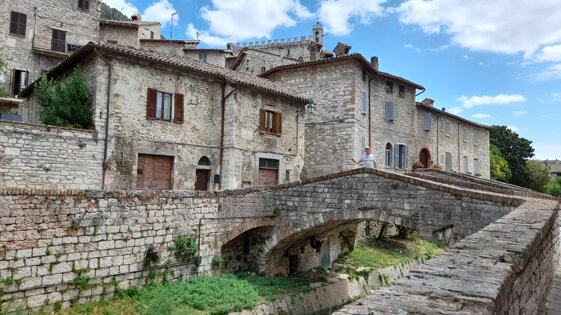
Gubbio: Historic Center
Gubbio: Historic Center
Travel photos...

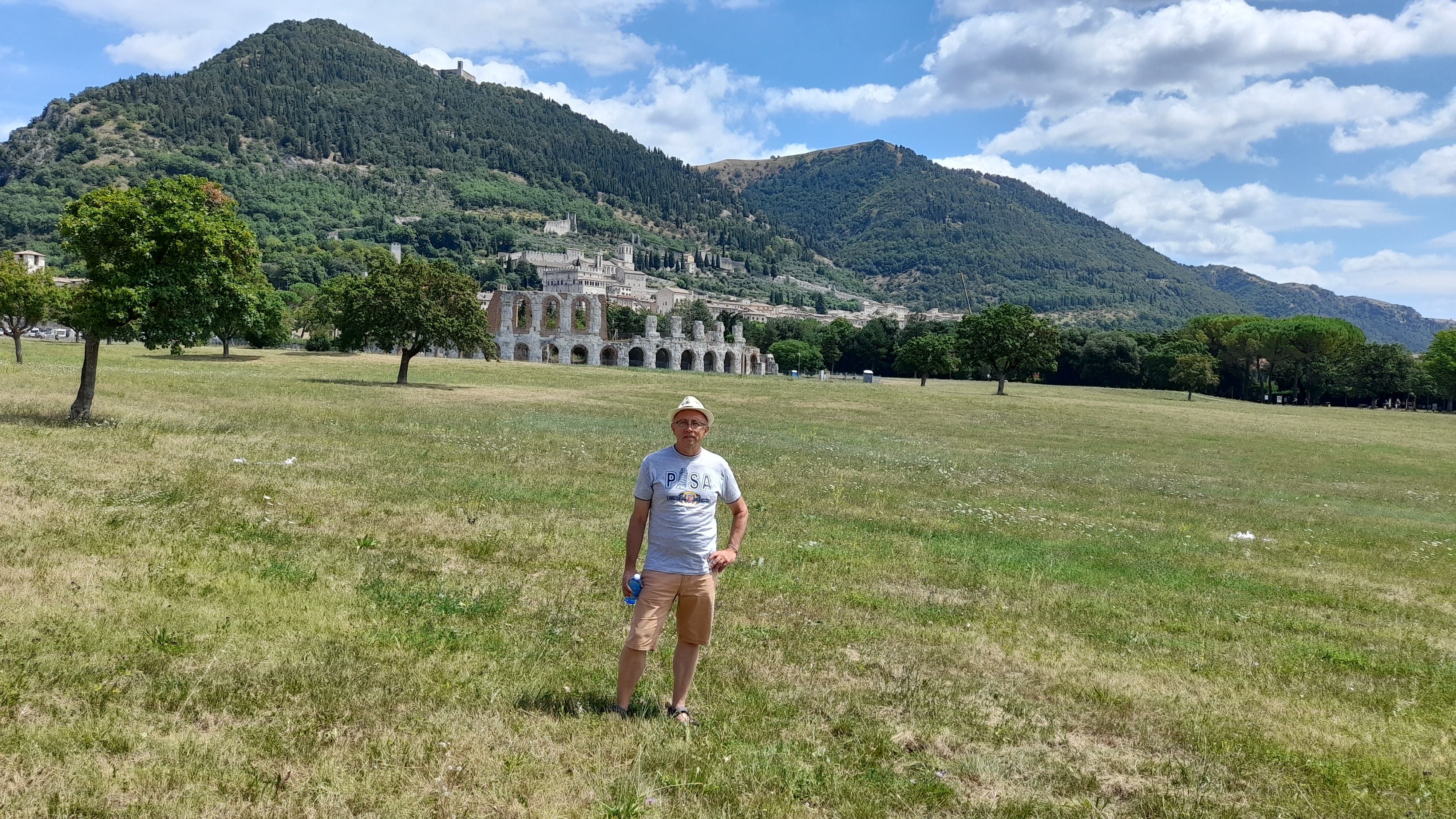
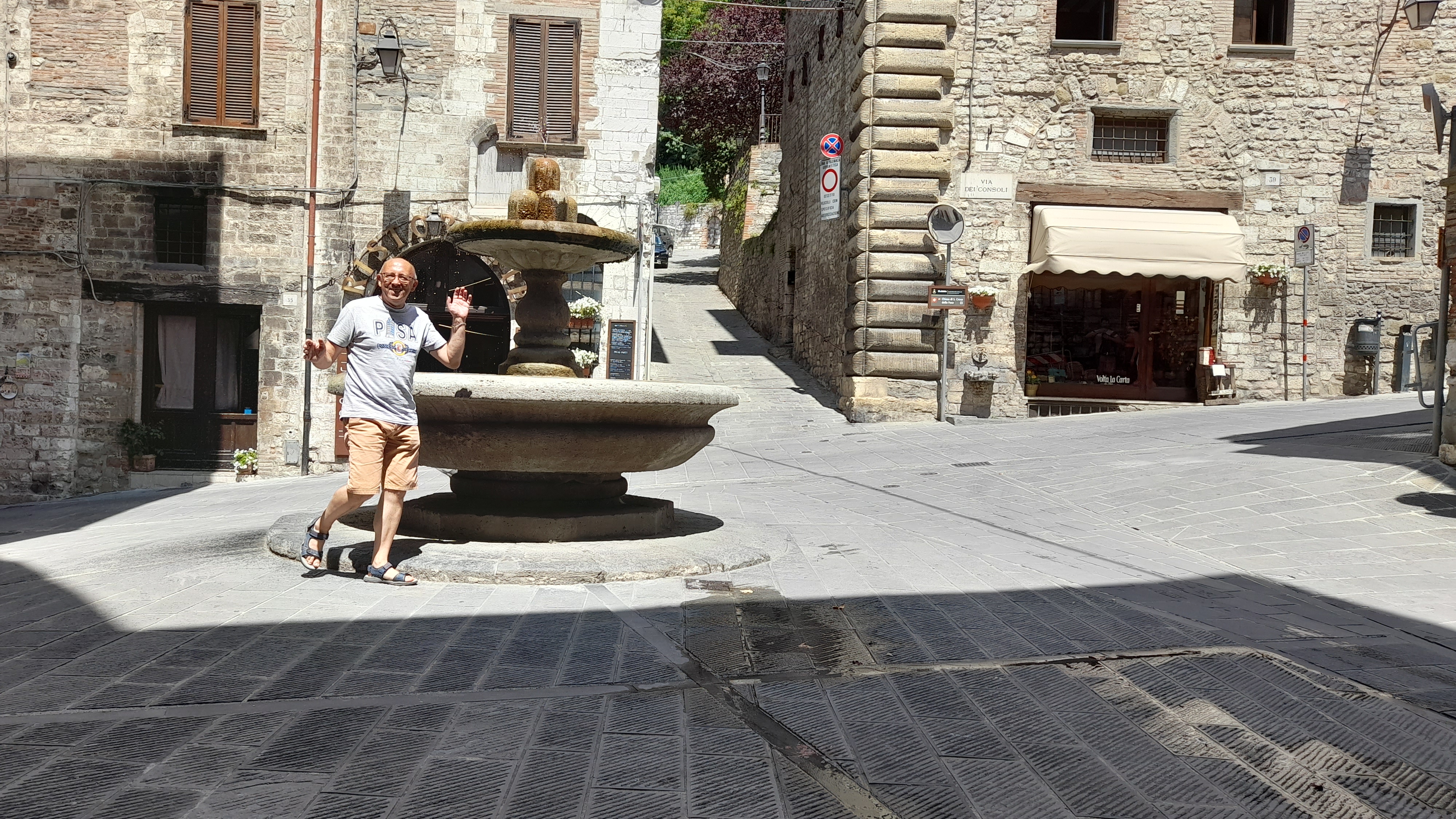
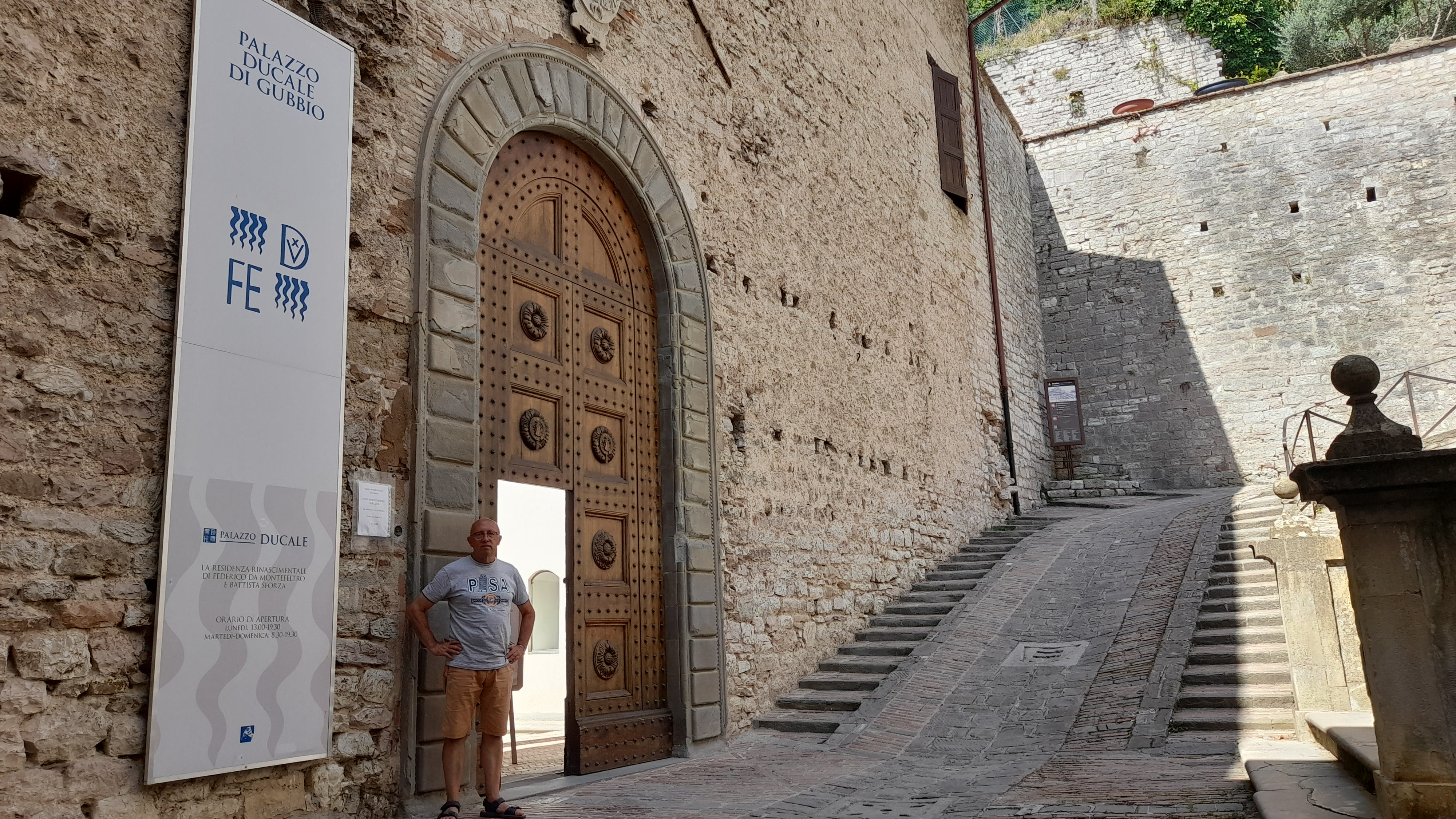
Gubbio
Gubbio
Gubbio
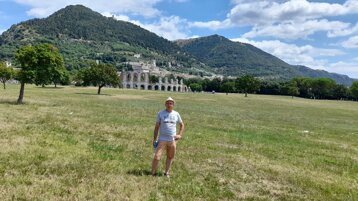
Archaeological site of the Roman Theatre
The 16th century Fountain of the Madmen
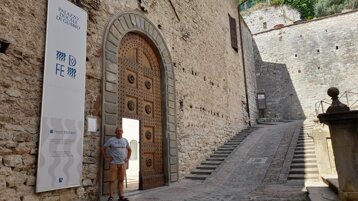
Ducal Palace
Province of Terni
Area: 2128.31 Km² Population: 216,248 Municipalities: 33
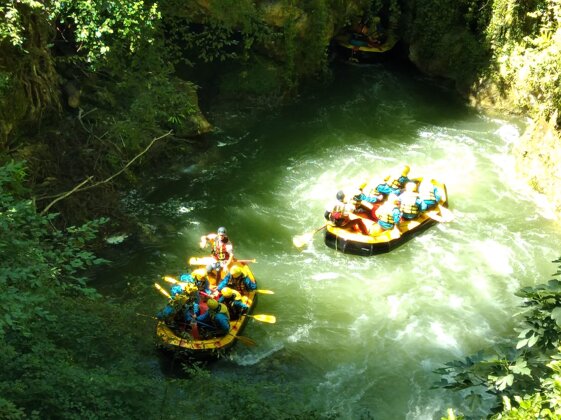
Rafting on the Nera River
Rafting on the Nera River
travel stories...
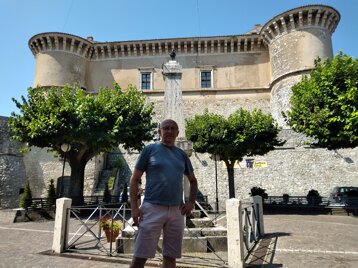
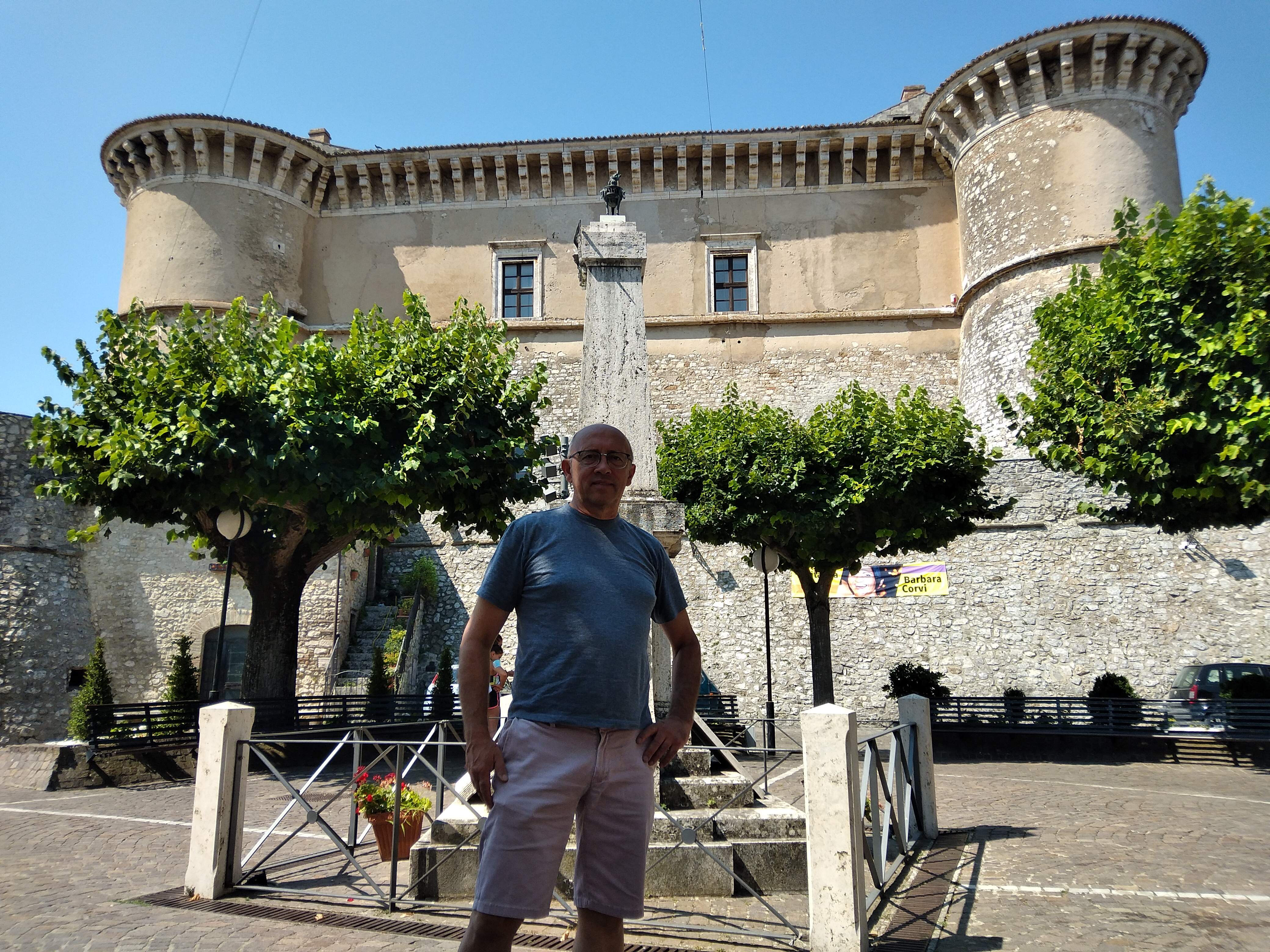
Alviano
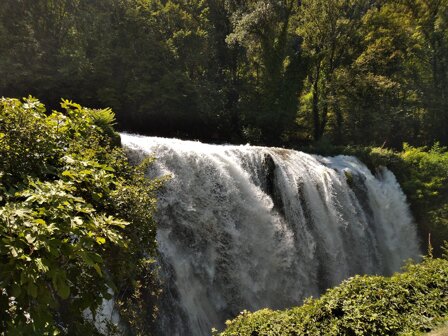
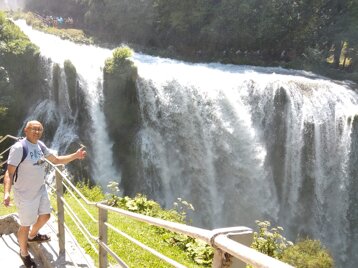
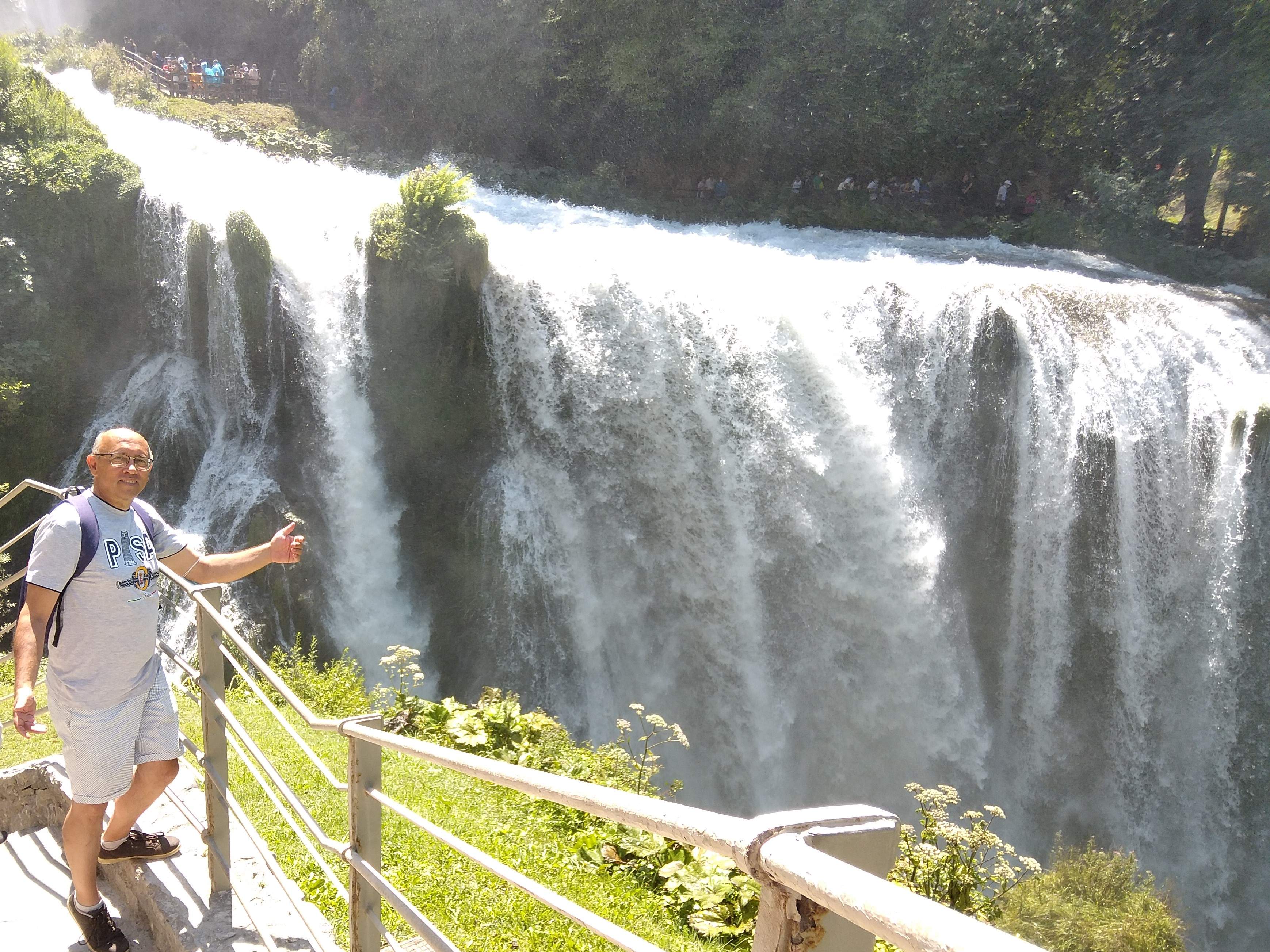
Marmore Falls
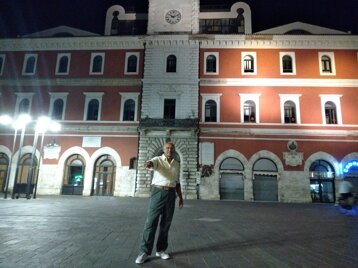
Terni
In my comings and goings between the
north and the south of Italy, I have often stopped in Umbria. On a
torrid day in July I discovered this village in the Tiber valley. A road lined with maritime pines takes me to the
entry of the town, climbing slightly between the houses until I find
myself in front of the imposing Doria Panphili Castle; the manor takes
the name of the noble family, the last owner before it passed to the
municipality that made it its municipal seat. It is a medieval fortress with four bastions and a high wall with a
statue of a lion at the entrance. The Alviano Castle is perfectly
preserved and has important frescoes inside on the life of
Saint Francis. There are also two museums: the Museum of Peasant Art, and the Museum of the Captains of Fortune; the latter in honor of the
Captain of the Republic of Venice Bartolomeo D’Alviano who in the
sixteenth century gave the castle its current shape. I then visit the
Parish Church dedicated to Santa Maria Assunta built in the
sixteenth century with beautiful frescoes inside dating back to the
Renaissance period. A tour of the historic center and a look
from the belvedere; from here you can dominate the entire valley, in particular the artificial lake formed by the damming of the Tiber and the
WWF naturalistic oasis. To conclude, nothing better than a plate
of bruschetta, with tomato, with olive paté, with local oil, with truffle.
After passing the industrial outskirts of Terni with the endless
steelworks warehouses, I arrive in a few minutes at the convenient parking lots (cost 5 euros
) of the "Ex Viscosa" area. Long queue at the ticket office, under
a scorching sun; I regret not having bought the ticket online
because while I'm there an acoustic signal warns of the release
of the water. Immediately after the entrance there is a box where a guide
tells the story of this artificial waterfall that from the Velino
river in three jumps of 165 meters flows into the Nera
river. A few steps and I am
at the Lower Belvedere one of the most spectacular points where you can see
the waterfall in all its grandeur. The first impact is of the type
"I'm where I want to be" that often happens to me in front of a
famous monument. Photos in all poses, . I make a sandwich in
one of the refreshment points inside the park, where I also find
typical products of the area. I continue on a path that takes me up
to the waterfall, where the sound of the water gives the idea of the
force of nature and by magic the rainbow is formed; I go back down
wet from head to toe regretting not having bought the raincoat
(cost 1 euro). I dry myself in the August sun while the rafts
descend the impetuous waters of the Nera river; for them the emotions
continue, while for me this exciting adventure ends here.
Arriving late in the evening, I
found a decidedly poor hotel. The accommodation is however in
a good location along the Nera river promenade. Early in the morning,
I reached the Church of the Sacred Eucharistic Heart, with its
facade full of statues, and a rose window surrounded by exposed
brick. I never give up a hearty breakfast; near the church I found a
bar where I enjoyed some good croissants, and a freshly squeezed
orange and lemon juice, just the way I like it. I cross the Nera river on the
very modern pedestrian bridge dedicated to the architect Malagricci and reach the Lancia di Luce obelisk, a monument of industrial
archaeology by the sculptor Arnaldo Pomodoro; from here I head without delay towards the center where I admire the ancient Church of San Salvatore
dating back to the medieval era. A little further on, in sequence,
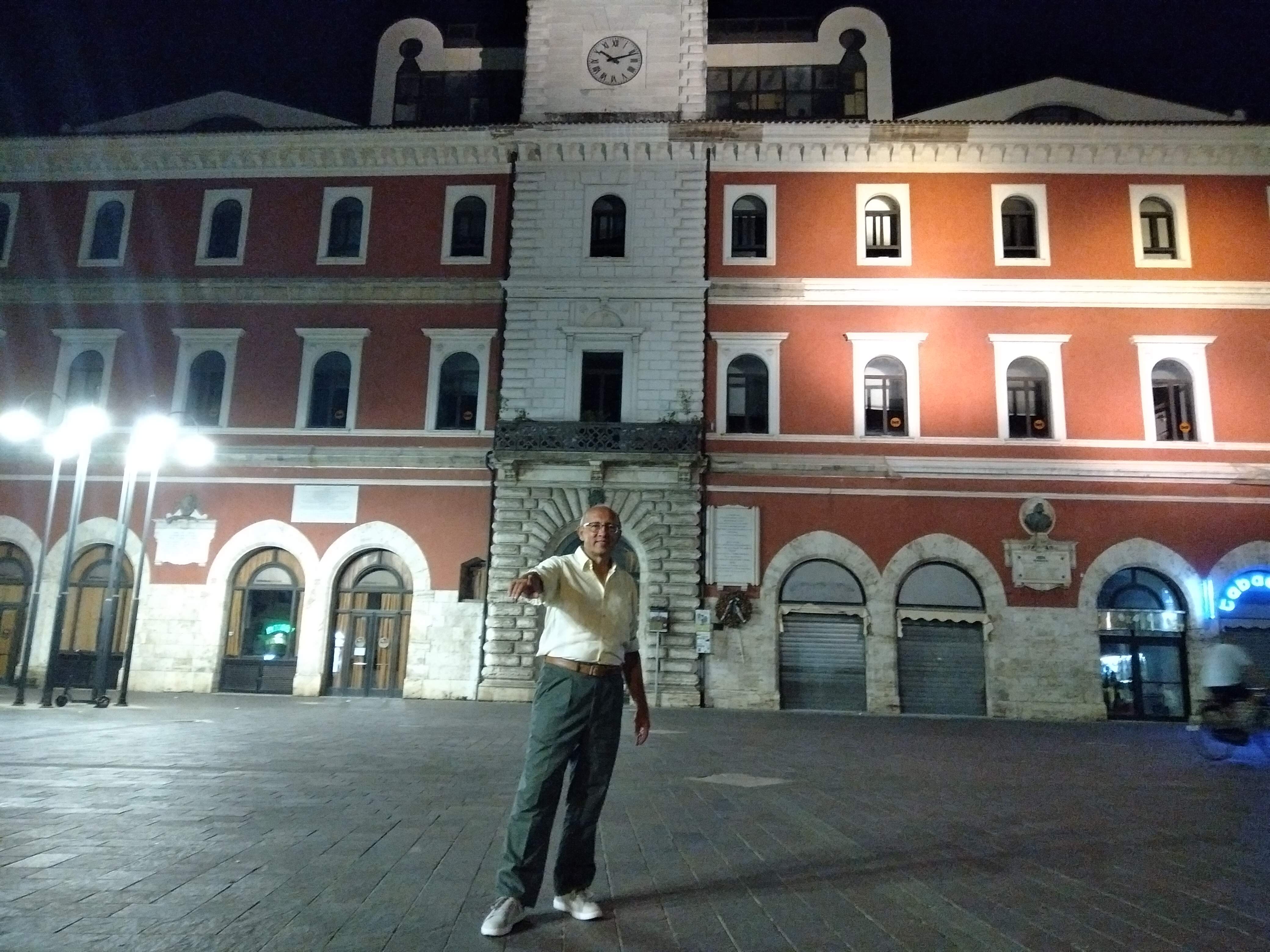
I visit Palazzo Spada, today the seat of the town hall, with the statue of
Thyrus, the dragon symbol of Terni; the seventeenth-century Palazzo Montani and Piazza della
Repubblica, the city’s best living room. From there I continue to Piazza
Tacito, a meeting point for young people from Terni; unfortunately, due to restoration work, I cannot admire the fountain until the station where, in the middle of a large flowerbed, a gigantic steel sculpture called “La Pressa” makes a fine show. It’s getting late, and there’s nothing better to end the evening than
dining in the romantic center of the city of San Valentino.