© Vietato l'utilizzo dei contenuti senza autorizzazione
Lombardy
Bergamo Brescia Como Cremona Lecco Lodi Mantua Milan Monza Pavia Sondrio Varese
I was born and currently live in this great region. A land that, apart from the sea, has so much to offer the traveler. Starting from Milan,
then small cities full of charm like Bergamo and Mantua and a myriad of municipalities rich in history. The Po Valley, with perfectly
cultivated fields, is crossed by important rivers such as the Po, the Ticino, the Adda and the Oglio. There are woods and protected areas;
among my favorites are the Orobie Valtellinesi Park, the Adamello Park and the Ticino Park. Rolling hills and beautiful
valleys in the pre-Alpine area. The Pre-Alps include some of the most beautiful and important lakes in Italy including from west to east
Lake Maggiore, Lake Como, Lake Garda. Finally the central Alps, mountains less sought after than those of other regions,
but full of charm like those of Valtellina. The cuisine is very varied. Among my favorite dishes I mention: Saffron Risotto, Pumpkin Tortelli, Magro Ravioli with butter and sage and Pizzoccheri. Among the second courses, Polenta Taragna with Porcini Mushrooms and Frittata with Luartis, a dialect name by which wild hops are known. For dessert, Torta Sbrisolona. Among the red wines, Bonarda dell’Oltrepo Pavese excels, while Franciacorta is unbeatable among the white wines.
Province of Bergamo
Area: 2722.86 Km² Municipalities: 243
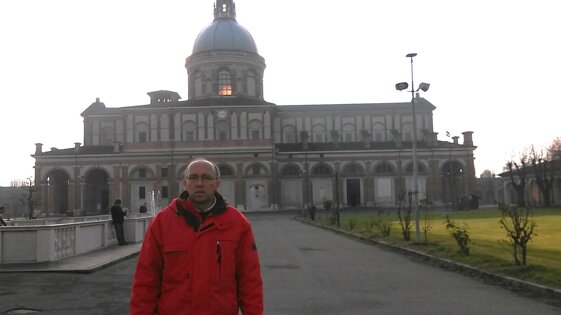
Caravaggio: Sanctuary of Santa Maria del Fonte
Caravaggio: Sanctuary of Santa Maria del Fonte
Travel photos...
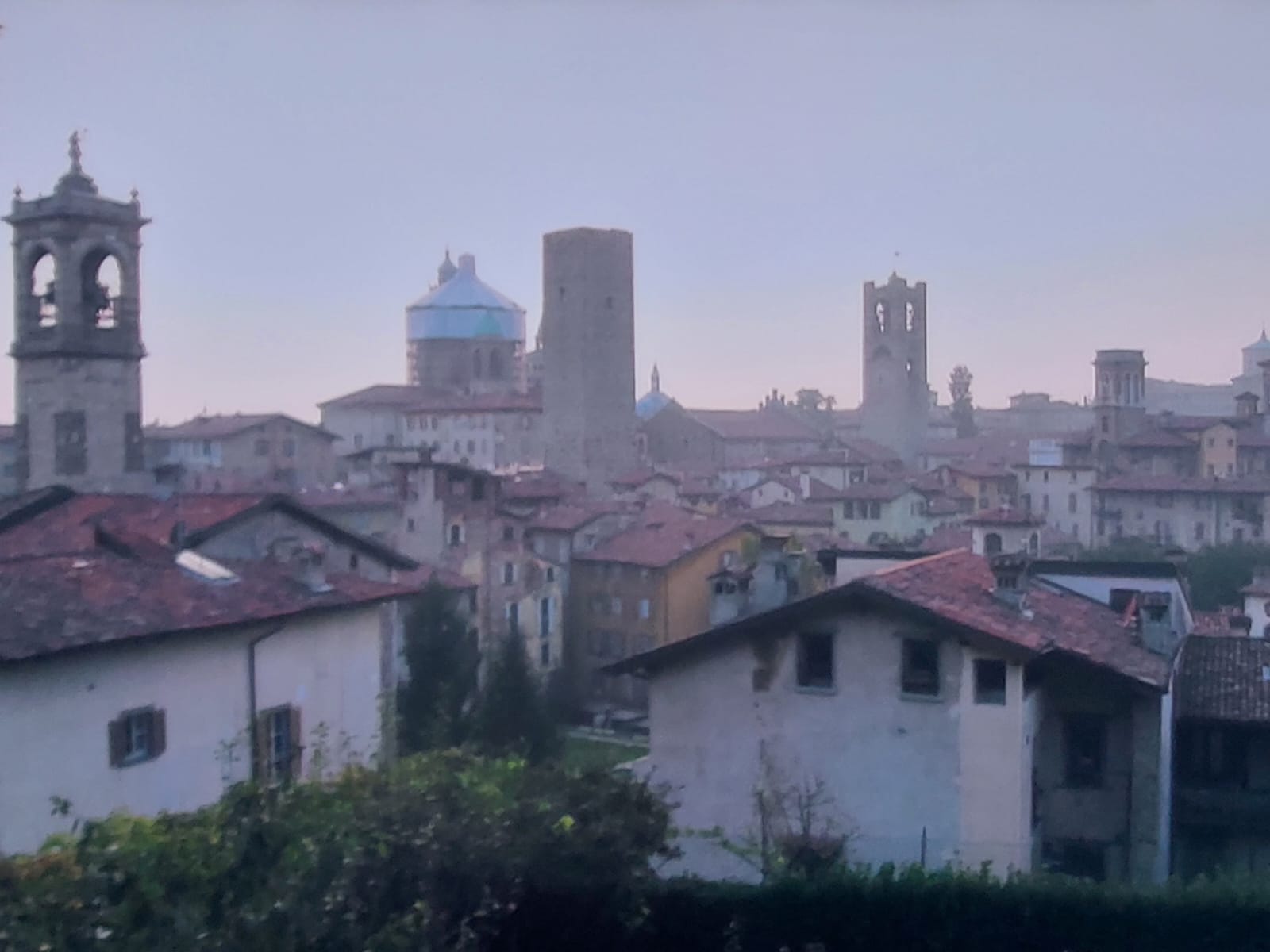
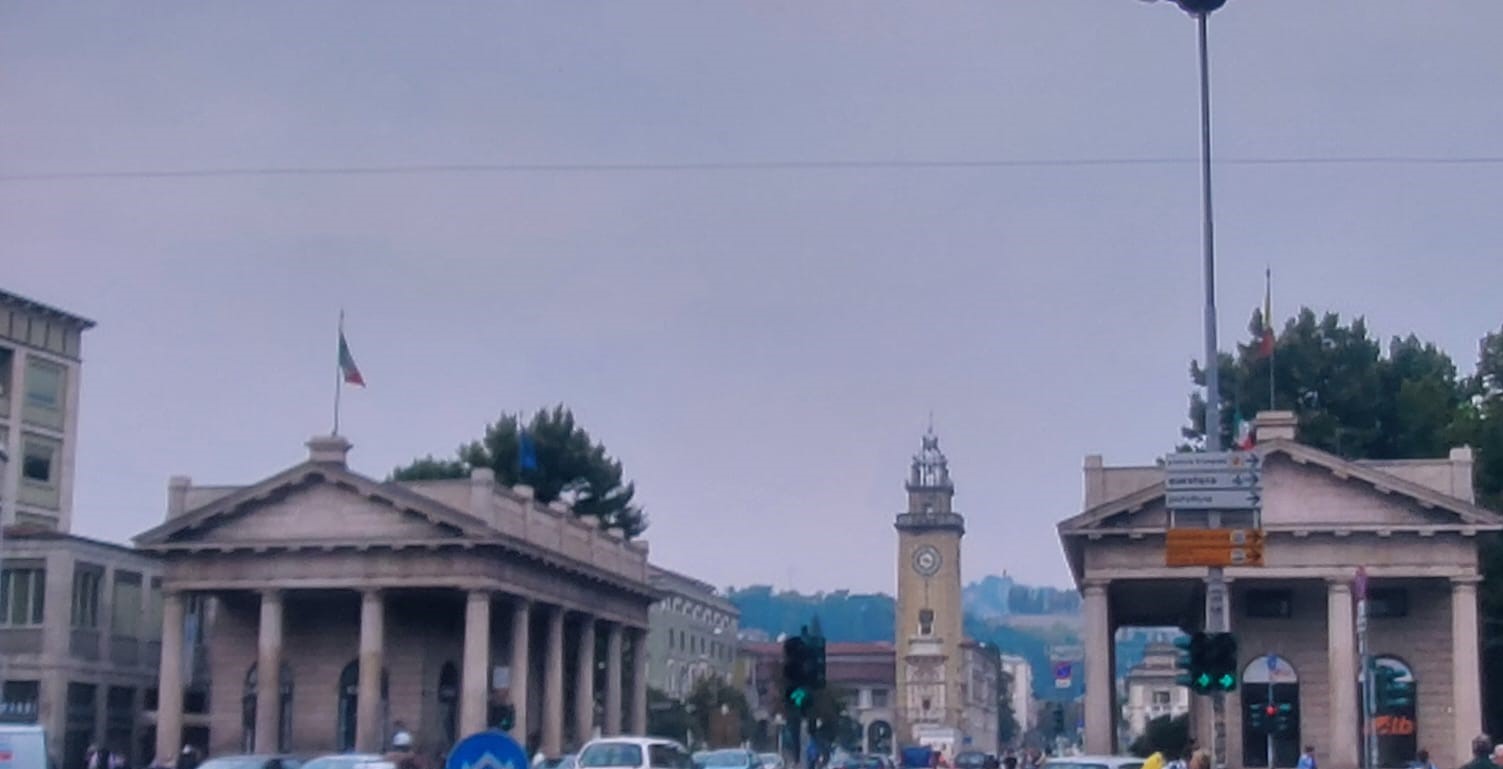
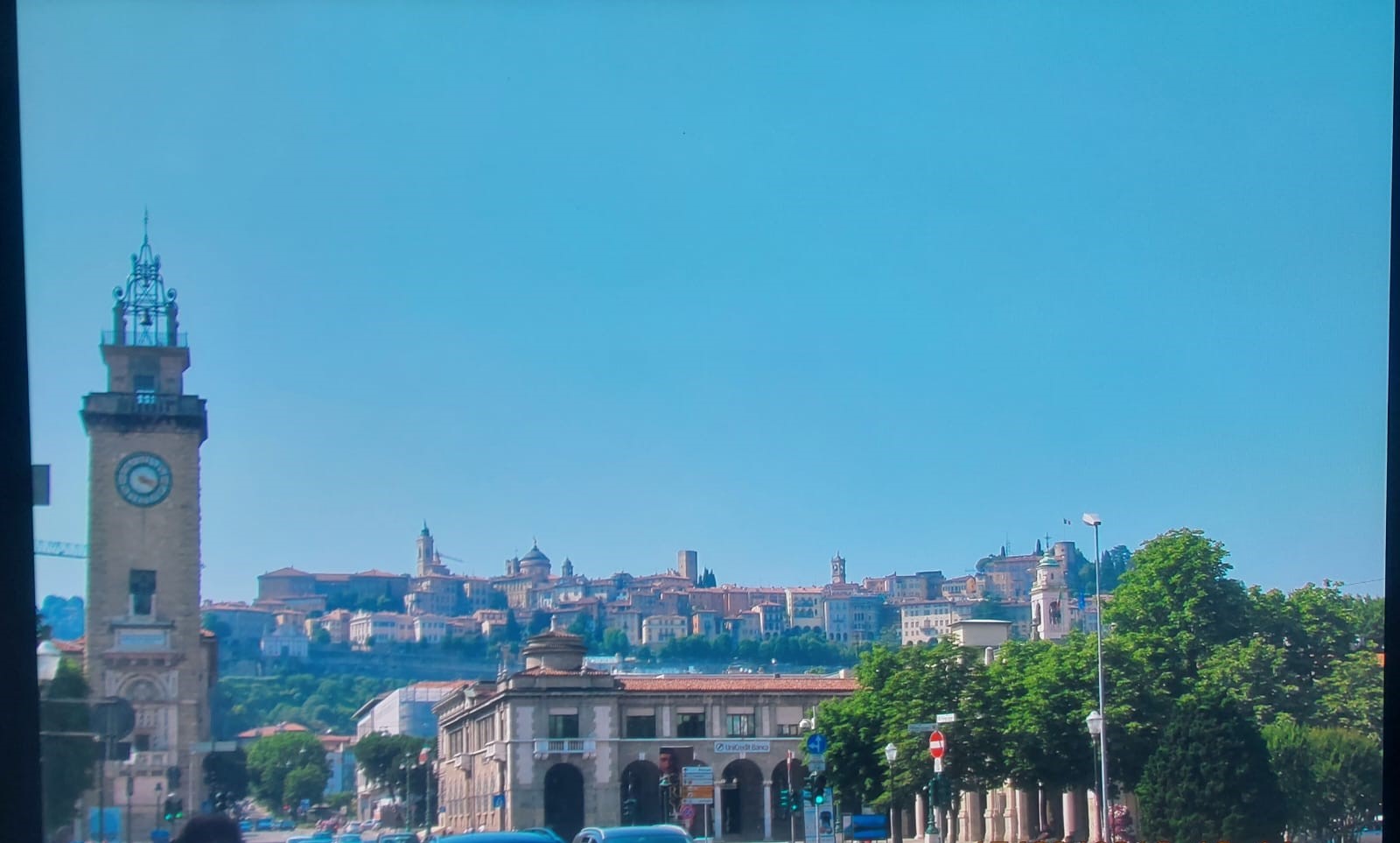
Bergamo
Bergamo
The neoclassical Propylaea of Porta Nuova
Bergamo
View of the lower city
The Gombito Tower in the upper part of the city
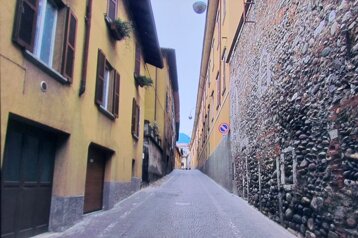
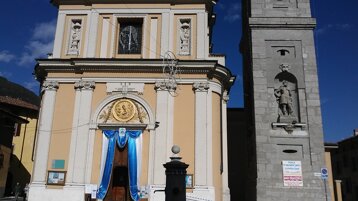
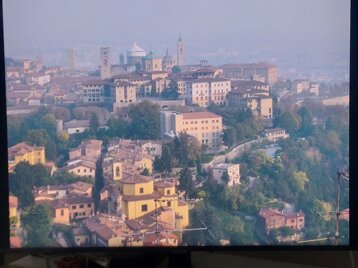
Albino
Sanctuary of the Madonna della Gamba
Albino
Bergamo
Historic center
Panorama of the Upper Town
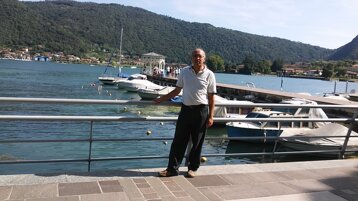
Sarnico
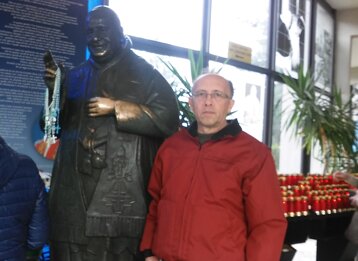
Sotto il Monte
pier on Lake Iseo
Statue of Pope John XXIII
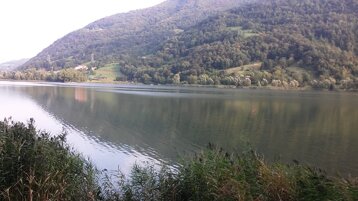
Lago di Endine
Panorama of the lake near Ranzanico
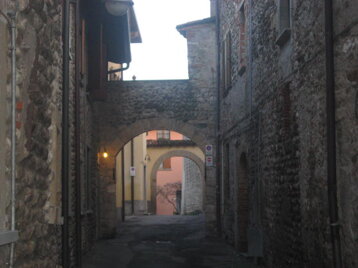
Chiuduno
Chiuduno
Albano Sant'Alessandro
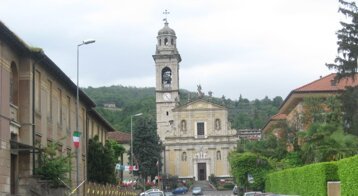
Historic center
Church of Santa Maria Assunta
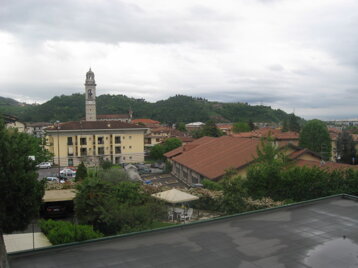
Panorama of the village at the foot of Valcalepio
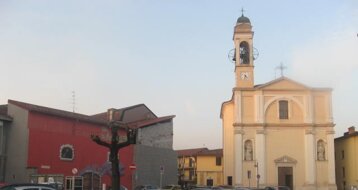
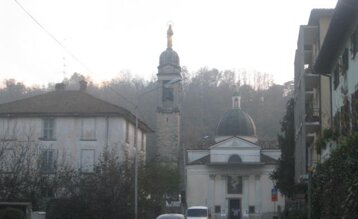
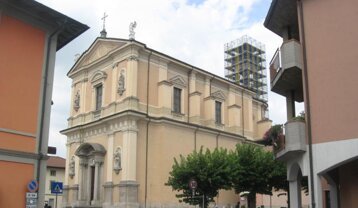
Albano Sant'Alessandro
Albano Sant'Alessandro
Arcene
Parish Church of SS. Cornelio and Cipriano
Sanctuary of Our Lady of the Roses
Church of St. Michael the Archangel
Province of Brescia
Area: 4785.62 Km² Municipalities: 205
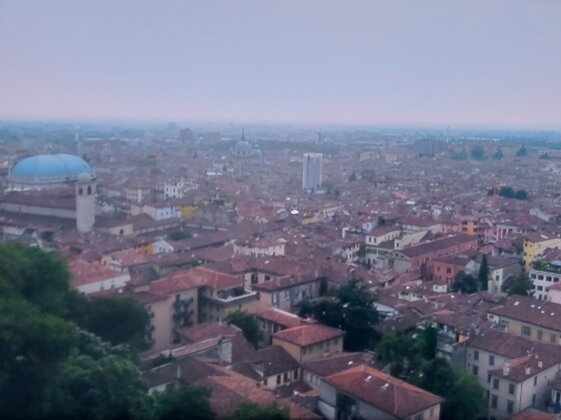
Brescia: View of the city from the top of the Castle
Brescia: View of the city from the top of the Castle
Travel photos...
Cividate Camuno
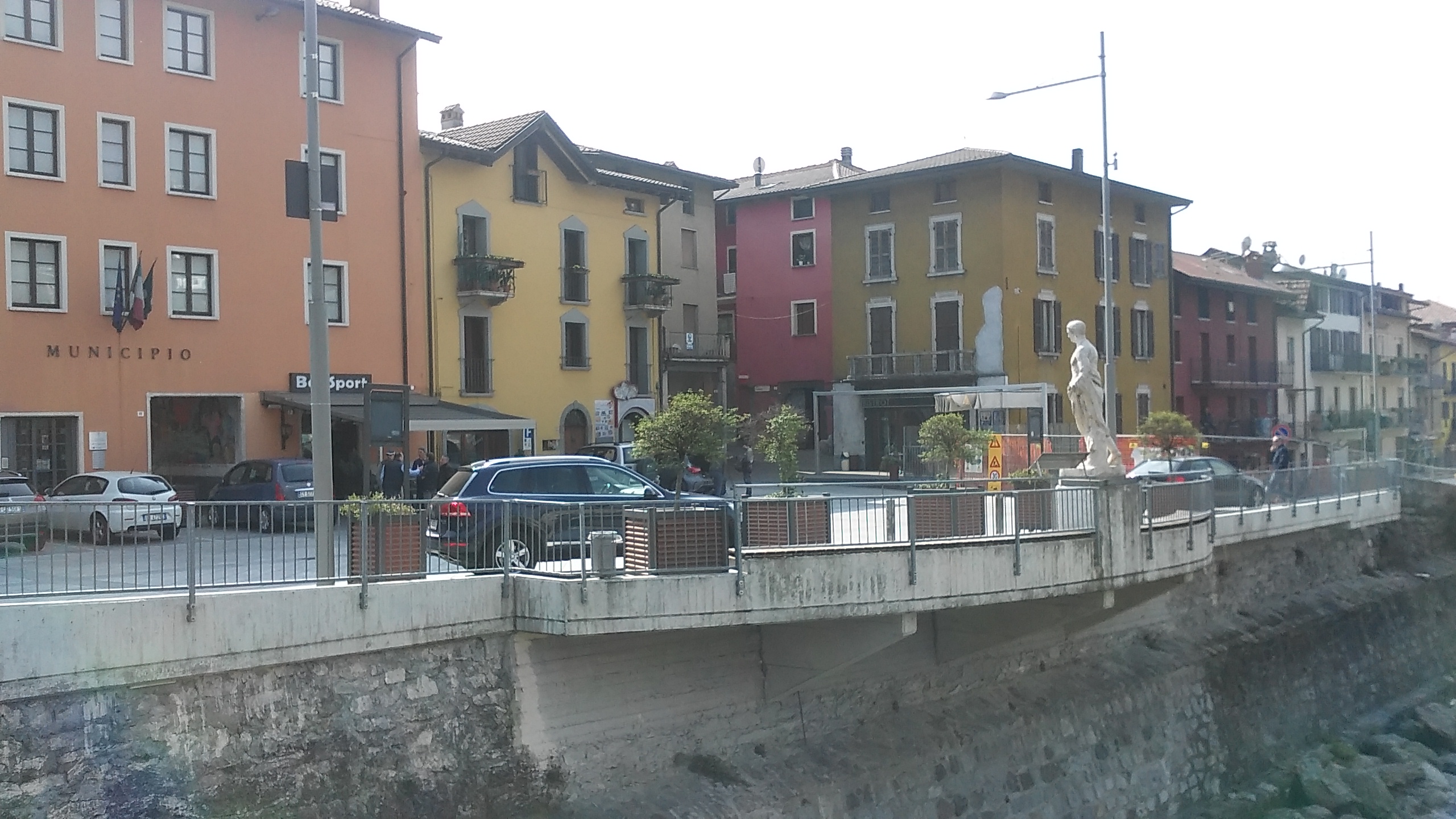
Bagolino
Brescia
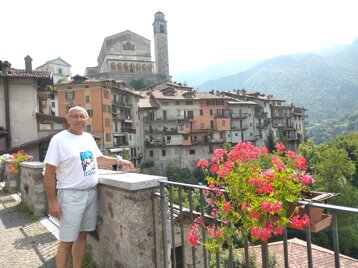
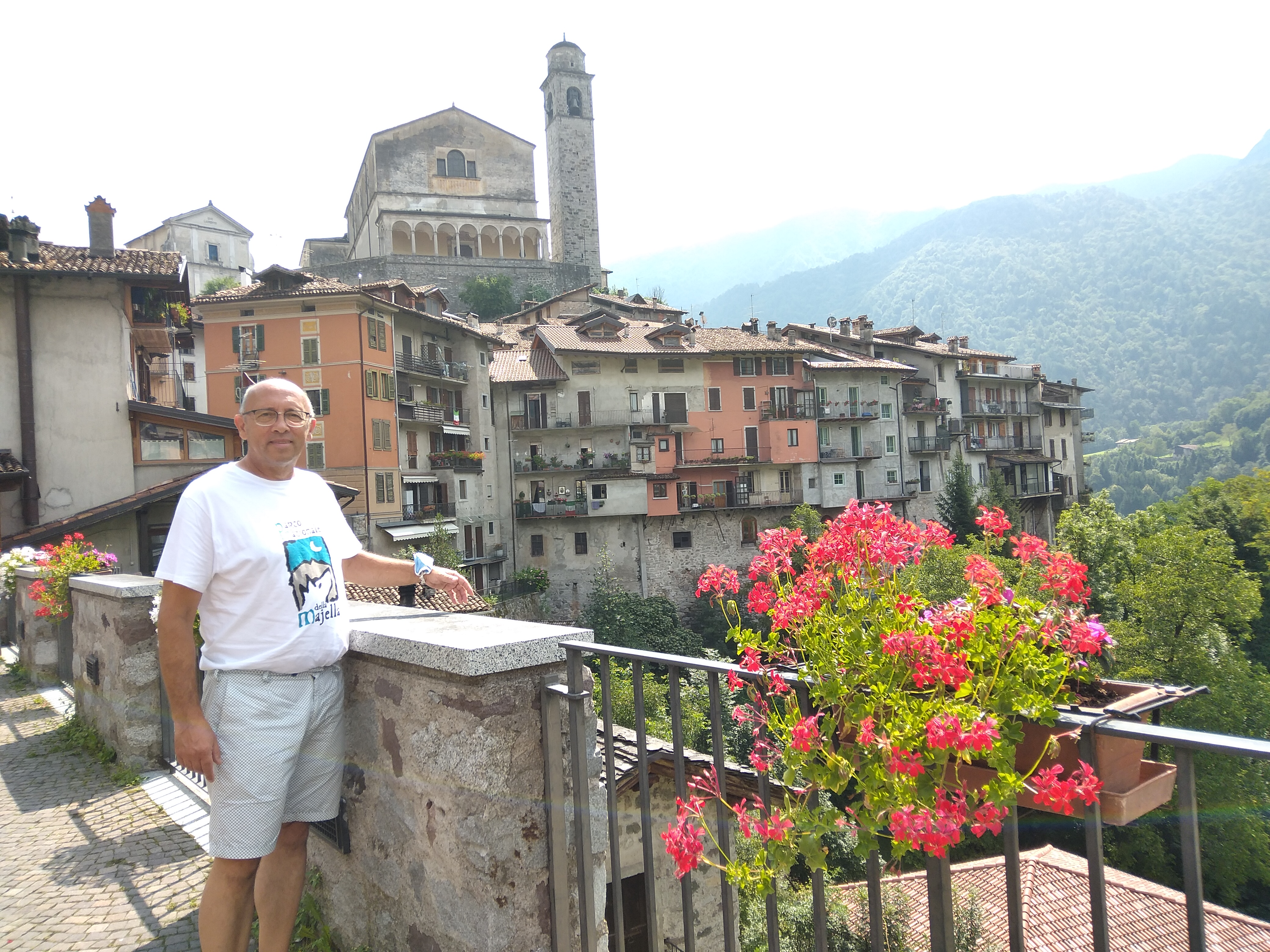
Historic village of Val Camonica
Panorama of the town, dominated by the Church of San Giorgio
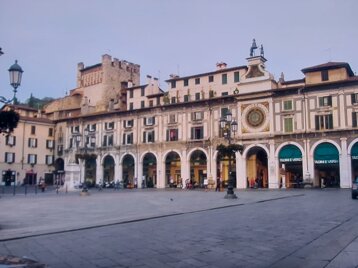
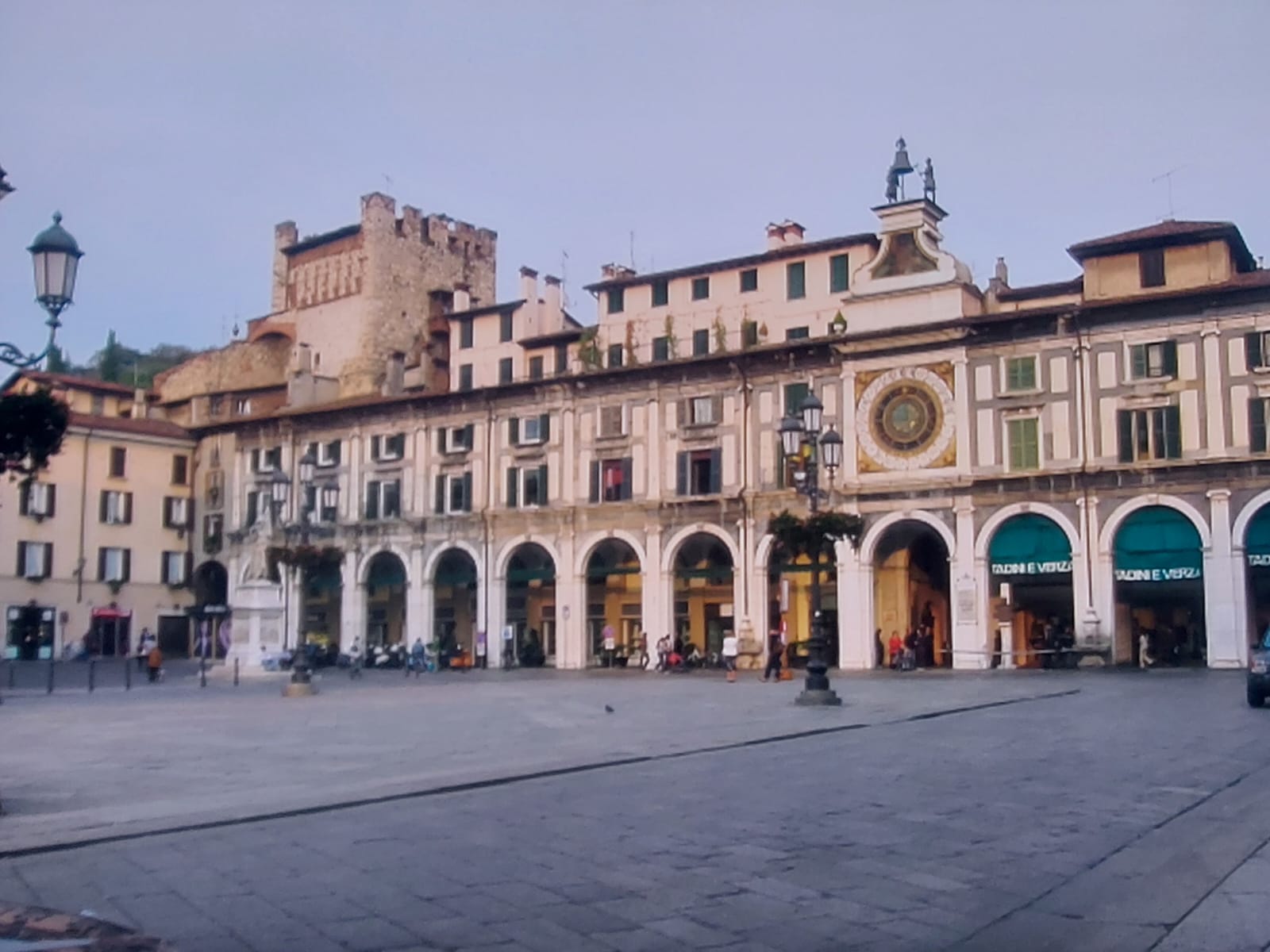
Loggia Square
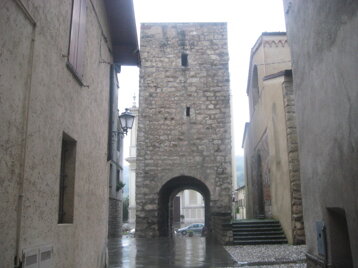
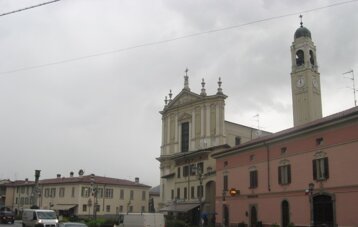
Cologne
Coccaglio
Coccaglio
The Parish Church of Saints Gervasio and Protasio
The Roman Tower, what remains of a 12th century castle
Parish Church of Santa Maria Nascente
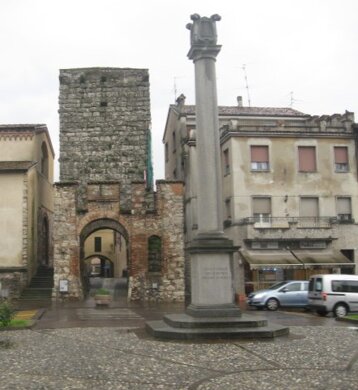
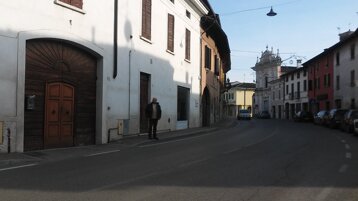
Gambara
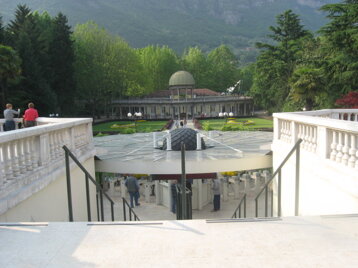
Boario Terme
Coccaglio
Historic center
The Baths with the Ancient Source Pavilion and the Marazzi Dome in the background
Stele to Luca Marenzio, madrigalist musician
Province of Como
Area: 1279.04 Km² Municipalities: 147
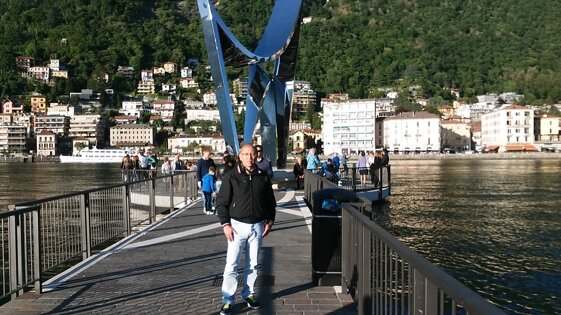
Como: Futuristic Monument to a Physicist "Life Electric"
Como: Futuristic Monument to a Physicist "Life Electric"
Travel photos...
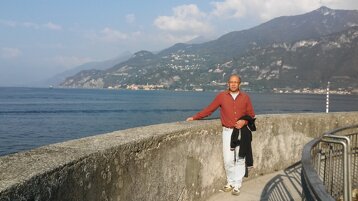
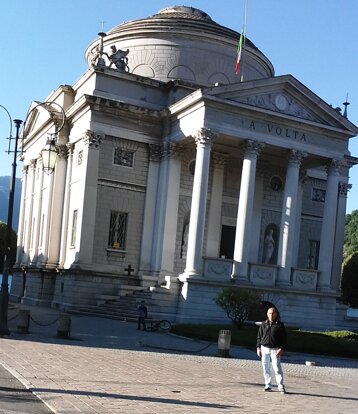
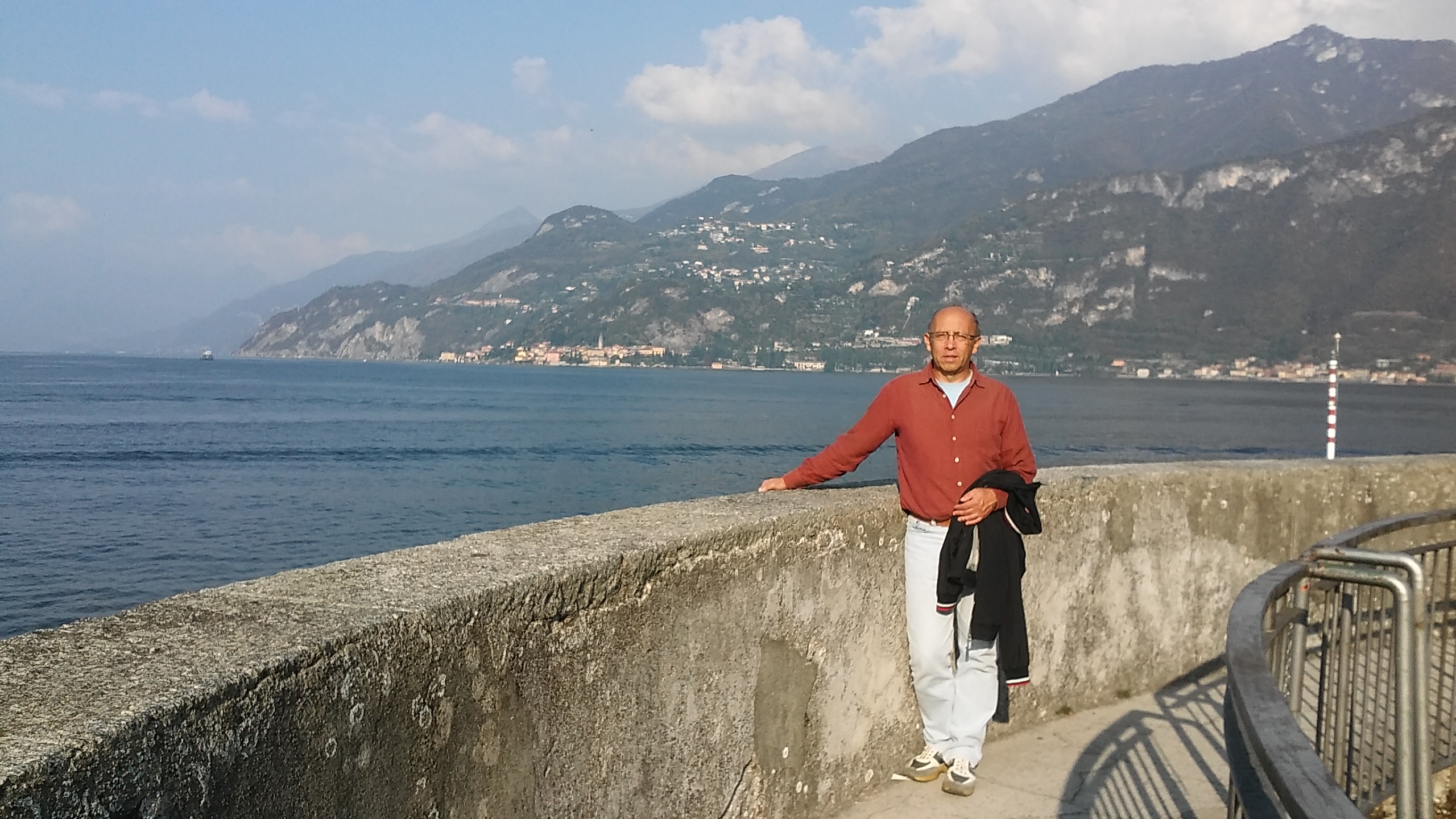
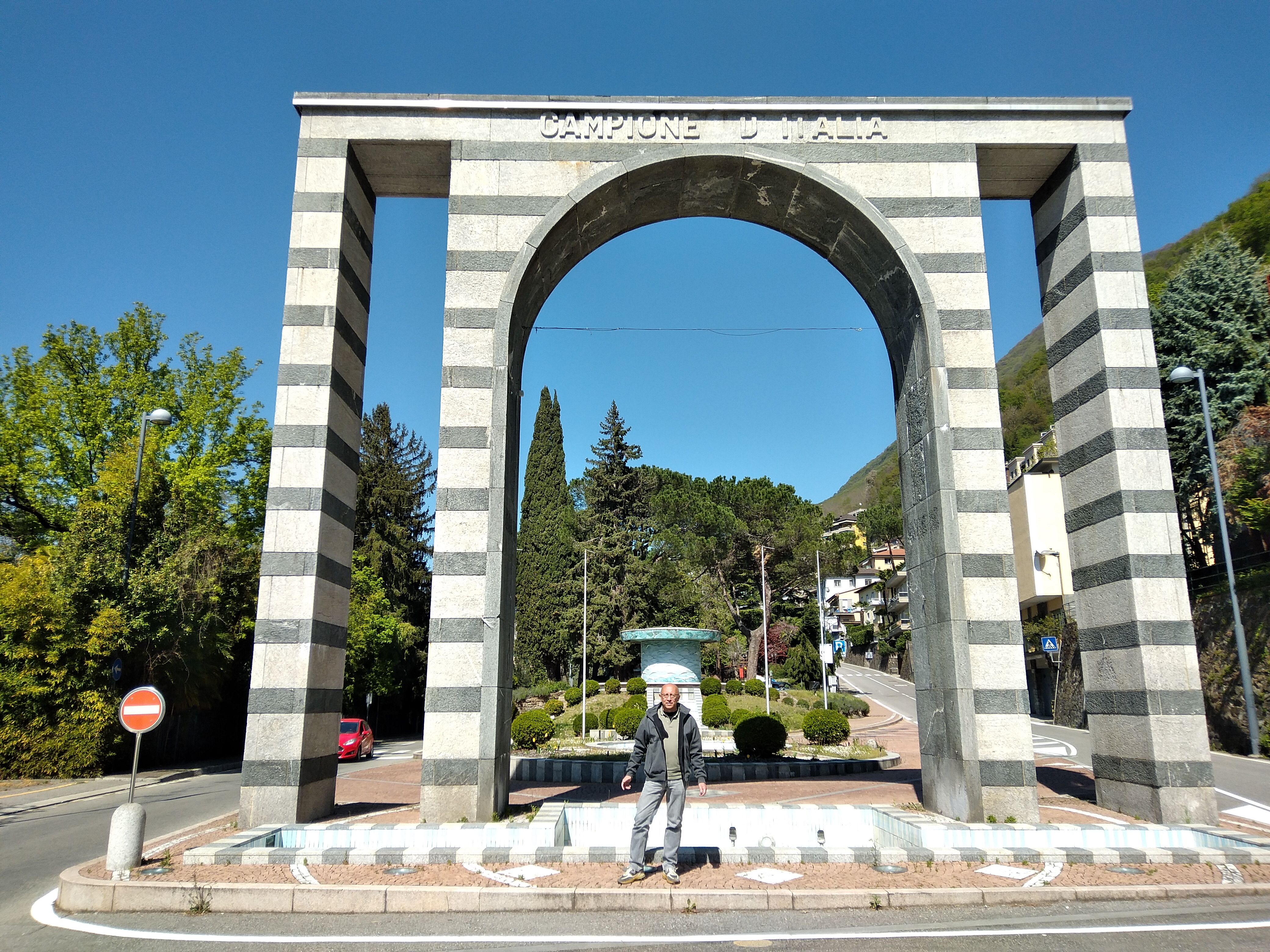
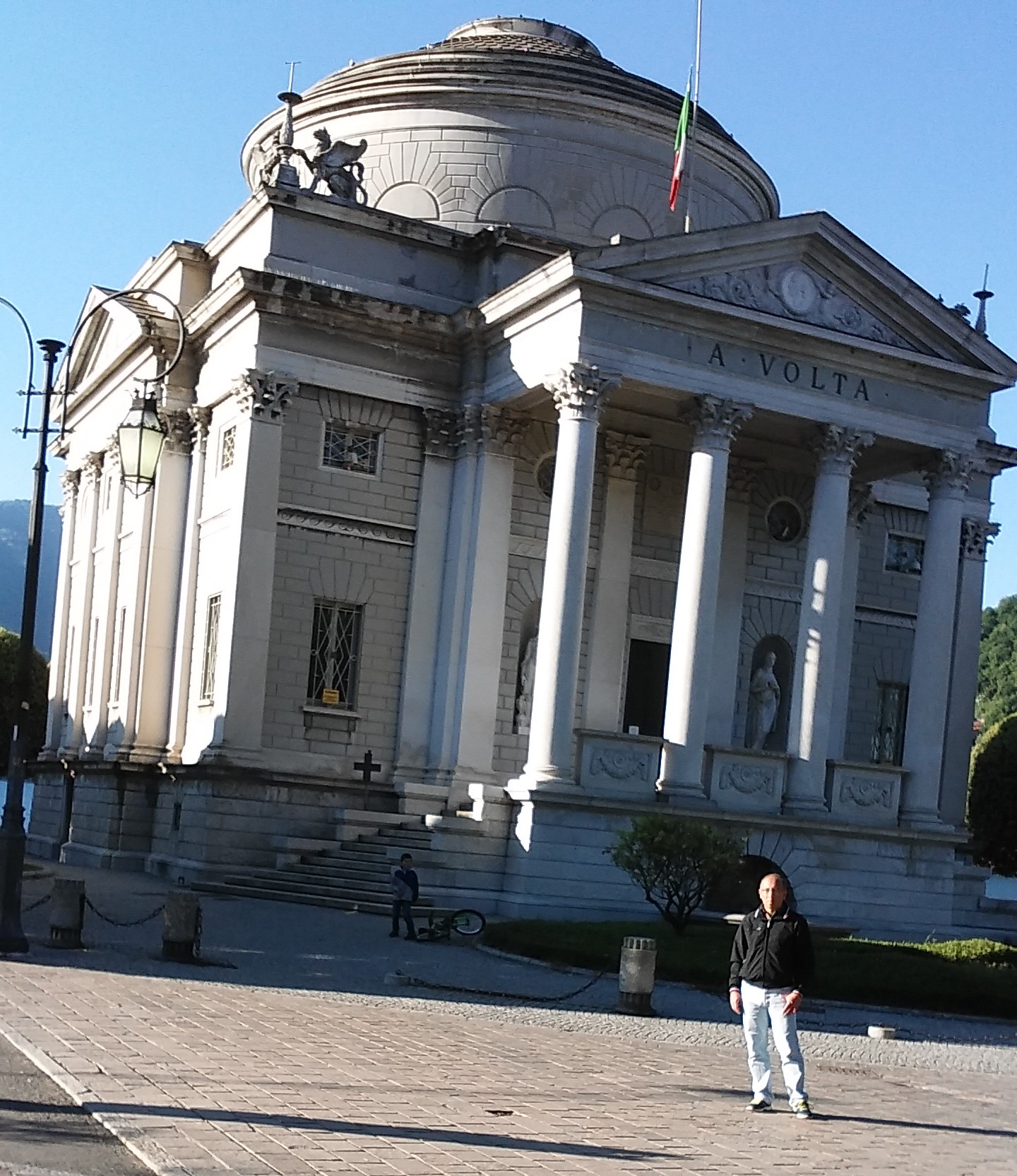
Bellagio
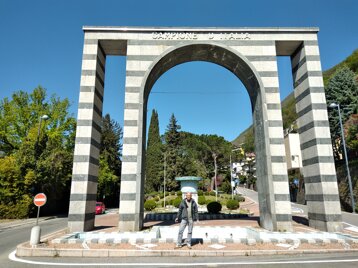
Campione d'Italia
Panoramic point called "La Punta"
Gateway to the city
Como
Volta Temple
Province of Cremona
Area: 1769.42 Km² Municipalities: 113
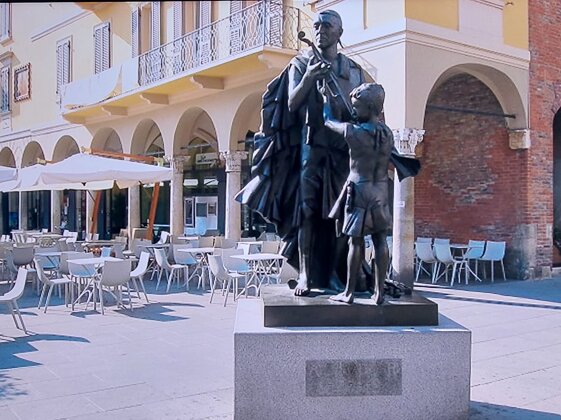
Cremona: Antonio Stradivari Square
Cremona: Antonio Stradivari Square
Travel photos...
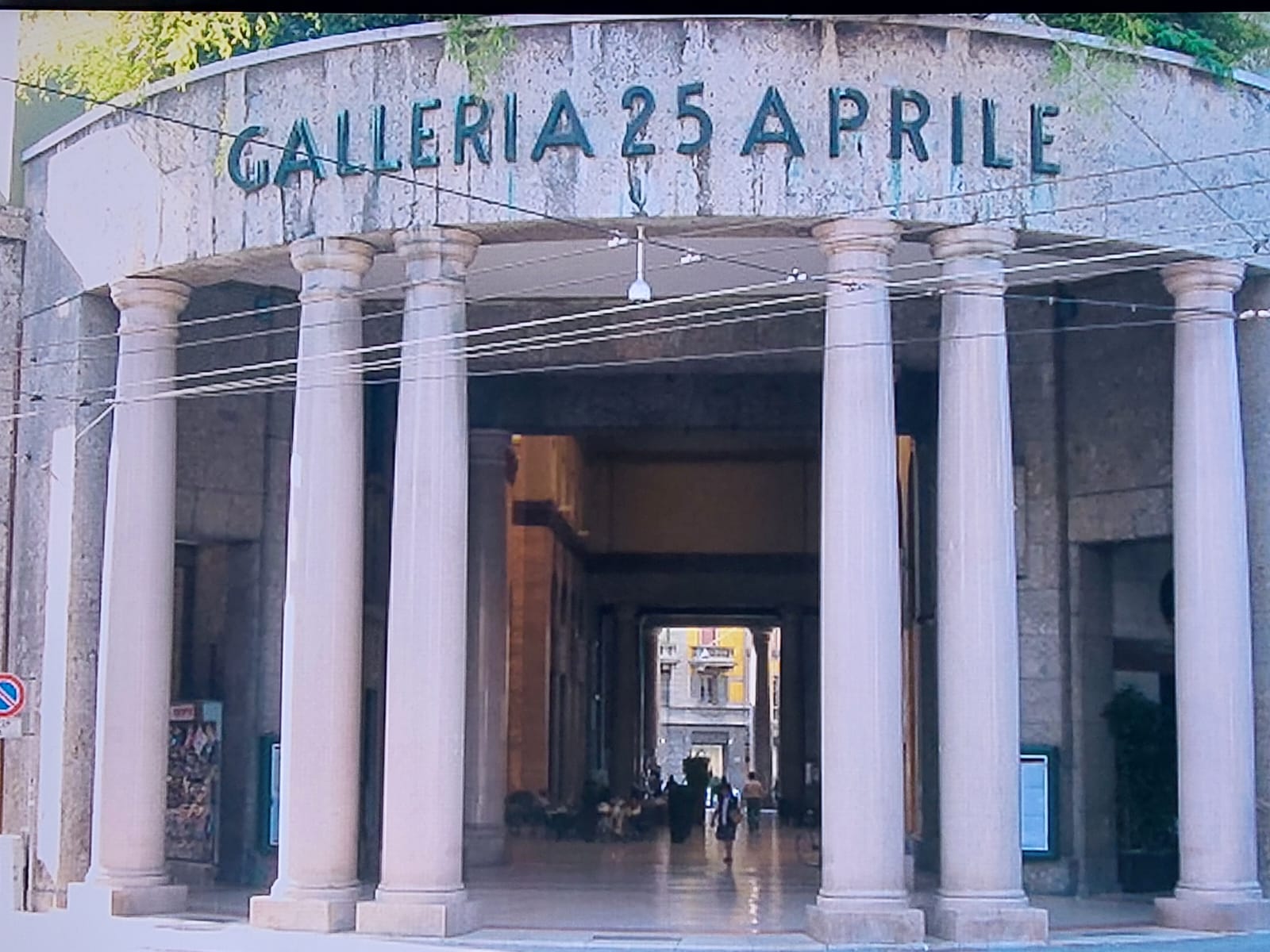
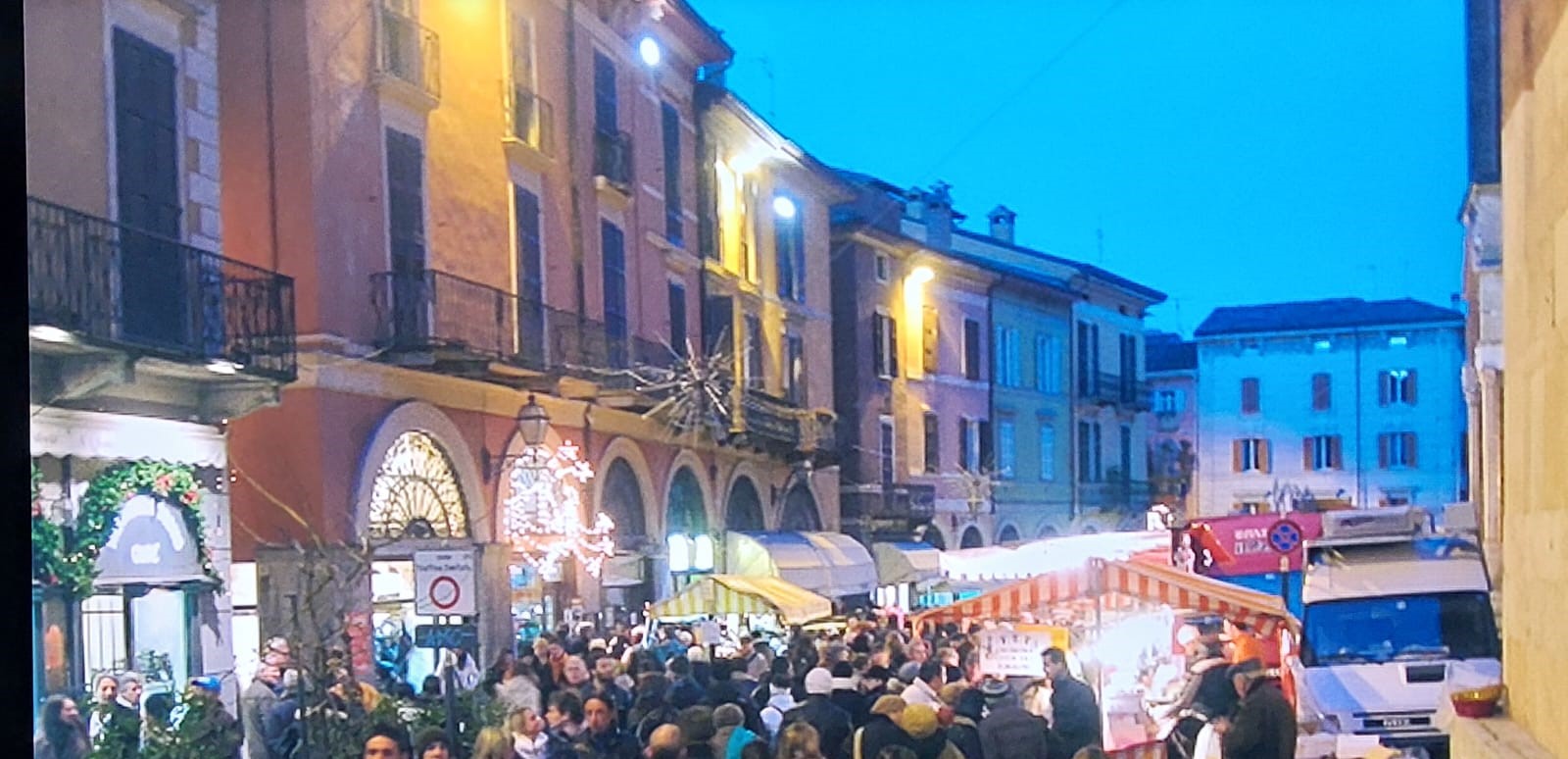
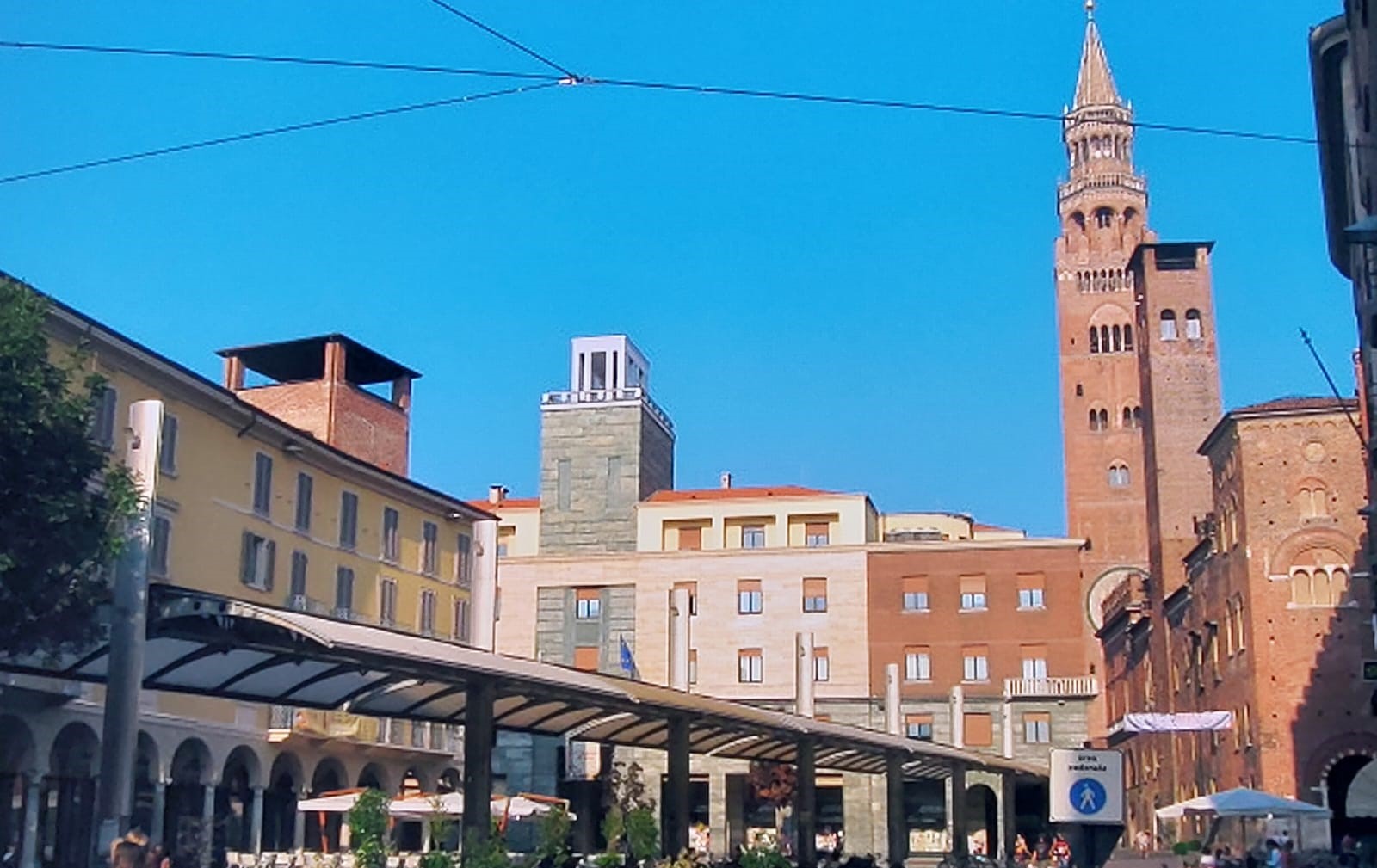
Cremona
Cremona
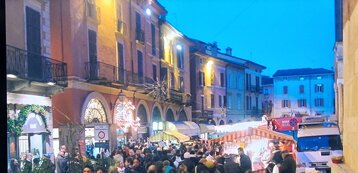
Torrone Festival
Cremona
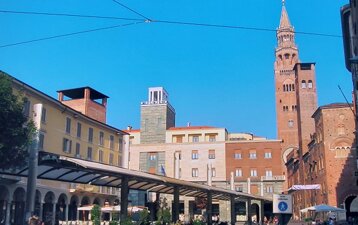
Piazza Stradivari: the bell tower of the Cathedral in the background
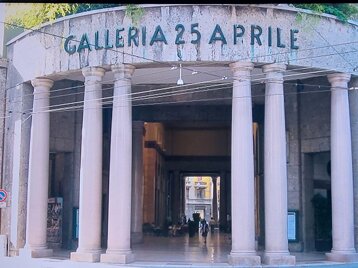
Gallery April 25th
Casalbuttano
Acquanegra Cremonese
Capralba
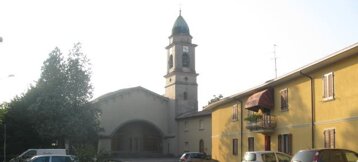
Church of SS. Cosma and Damiano
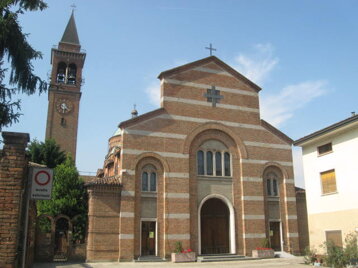
Parish Church of San Giorgio Martire
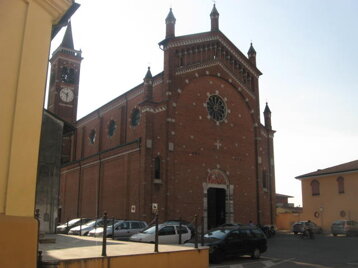
Church of Sant'Andrea and San Zeno Bishop
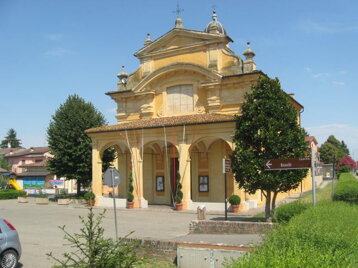
Casaletto Vaprio
Casanova del Mornasco
Pizzighettone
In the background the Church of S.S. Andrea and Pietro
Church of San Giorgio
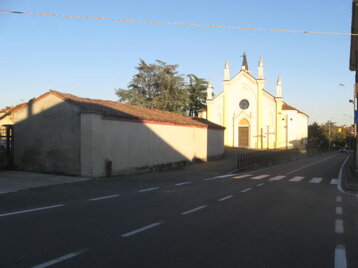
Sanctuary of the Blessed Virgin of Roggione from the 17th century
Province of Lecco
Area: 805.39 km² Municipalities: 84
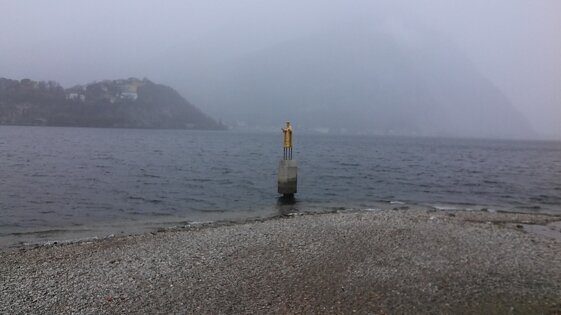
Lecco: statue of Saint Nicholas placed in the lake as a symbolic protection of the city
Lecco: statue of Saint Nicholas placed in the lake as a symbolic protection of the city
Travel photos...
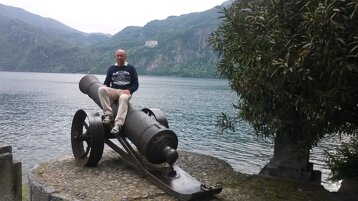
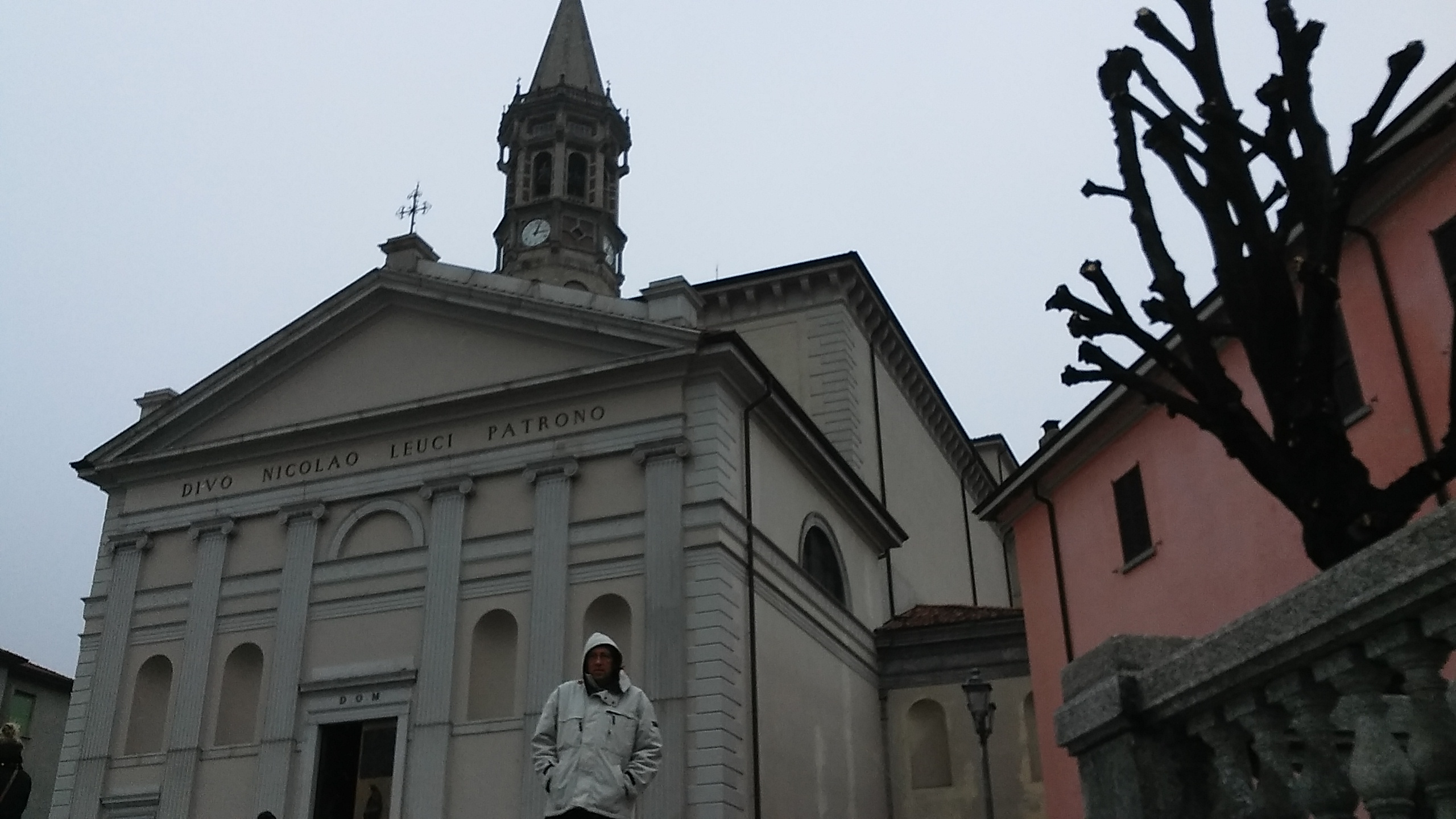
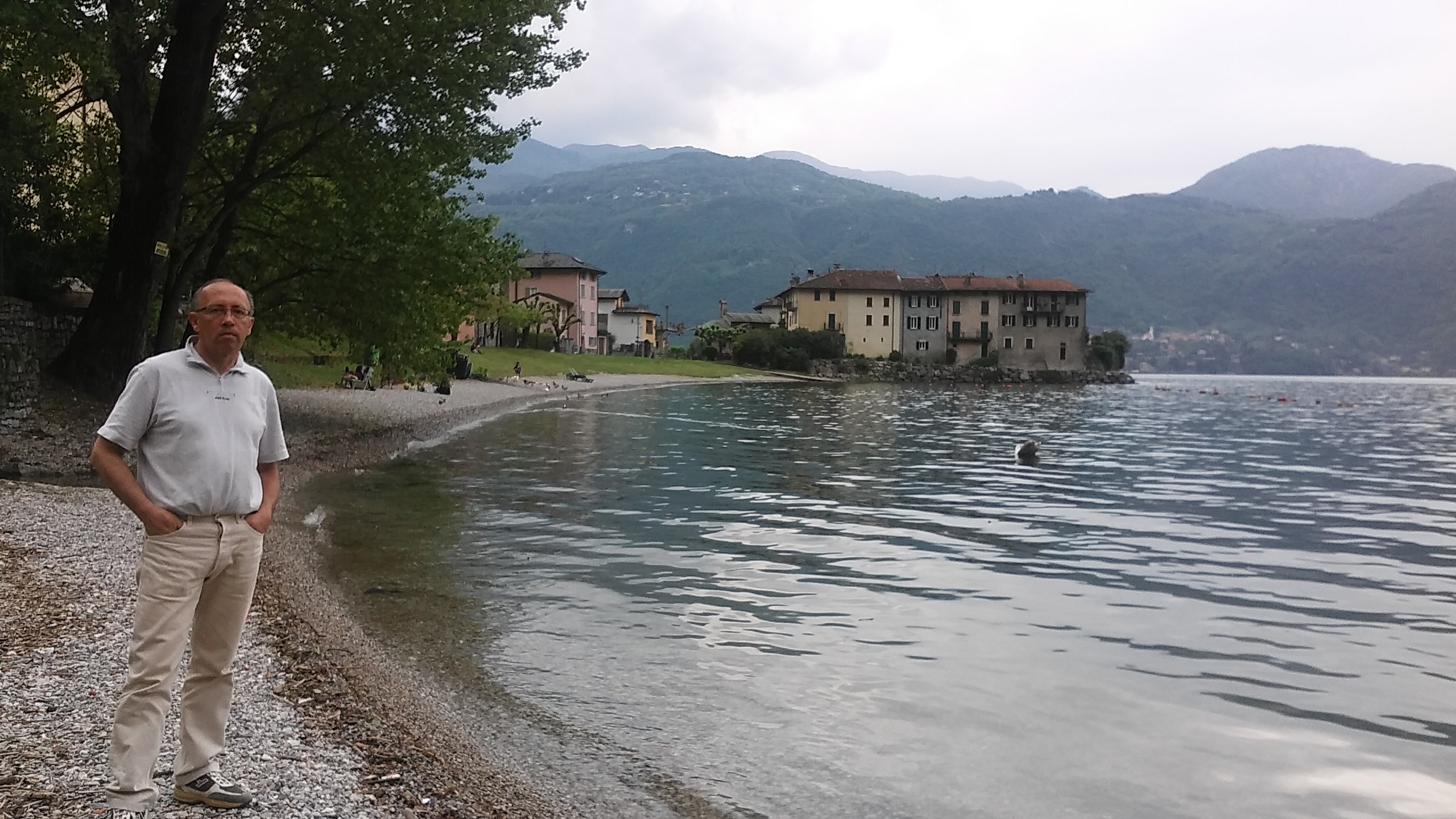
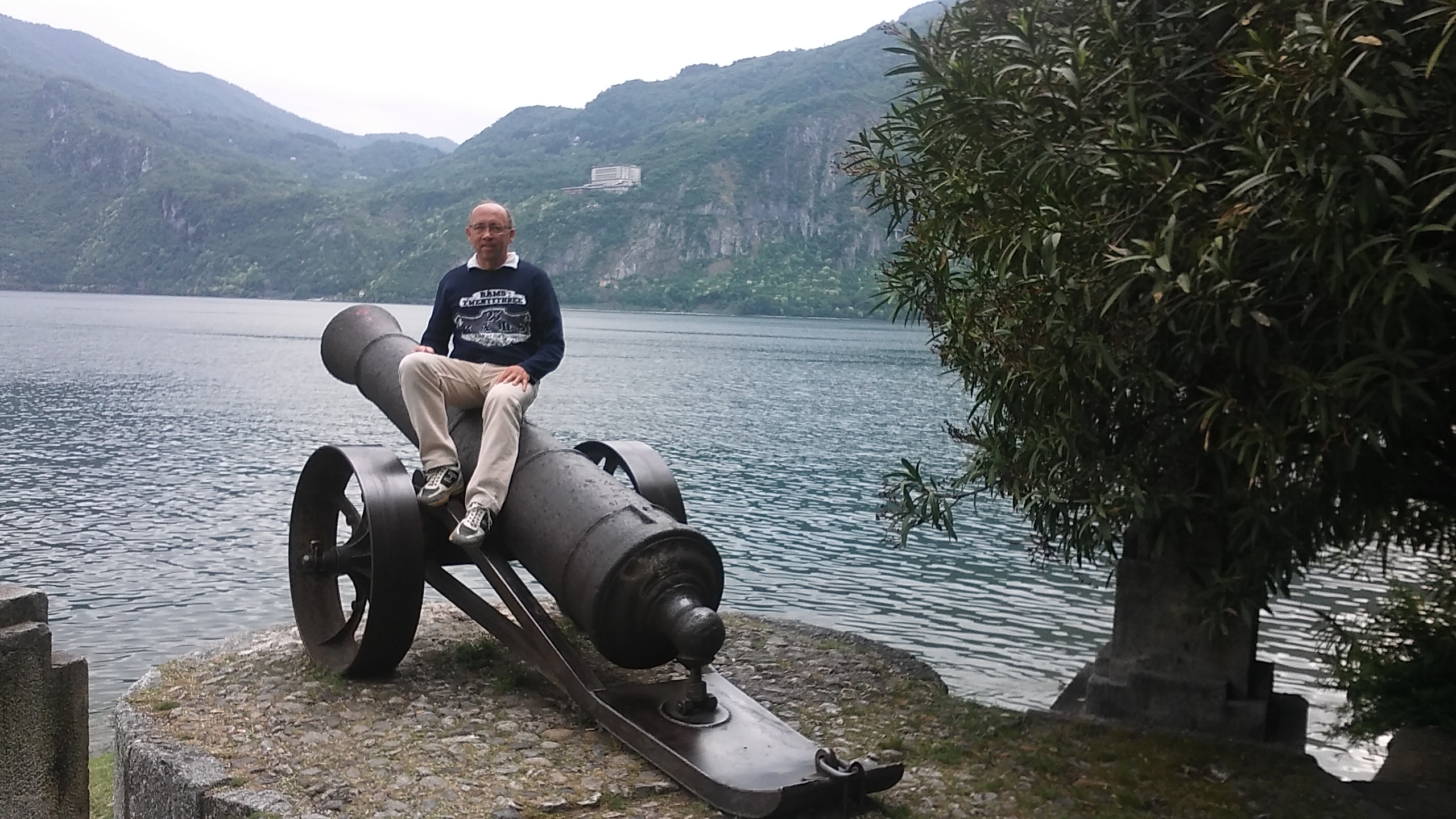
Lecco
Lierna
Mandello del Lario
Lakeside walk near the public gardens
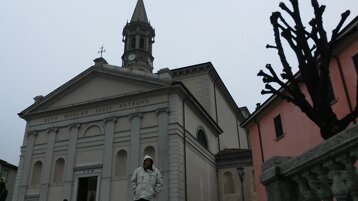
Roman Basilica of San Nicolò; behind you can see the neo-Gothic bell tower called "il Matitone"
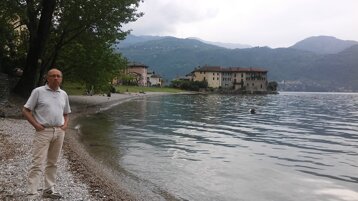
Pebble beach on Lake Como; in the background the peninsula with the village and the medieval "Castle"
Province of Lodi
Area: 782.32 Km² Municipalities: 60
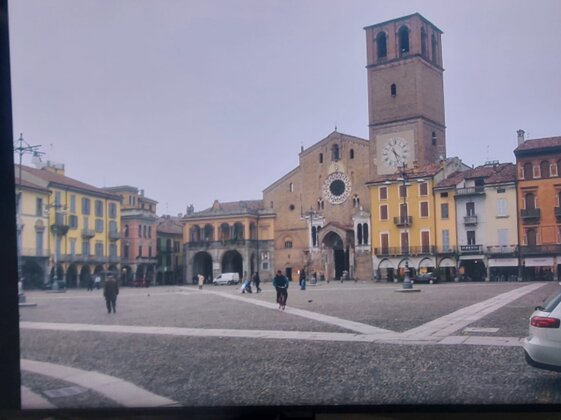
Lodi: historical center
Lodi: historical center
Travel photos...
Ospedaletto Lodigiano
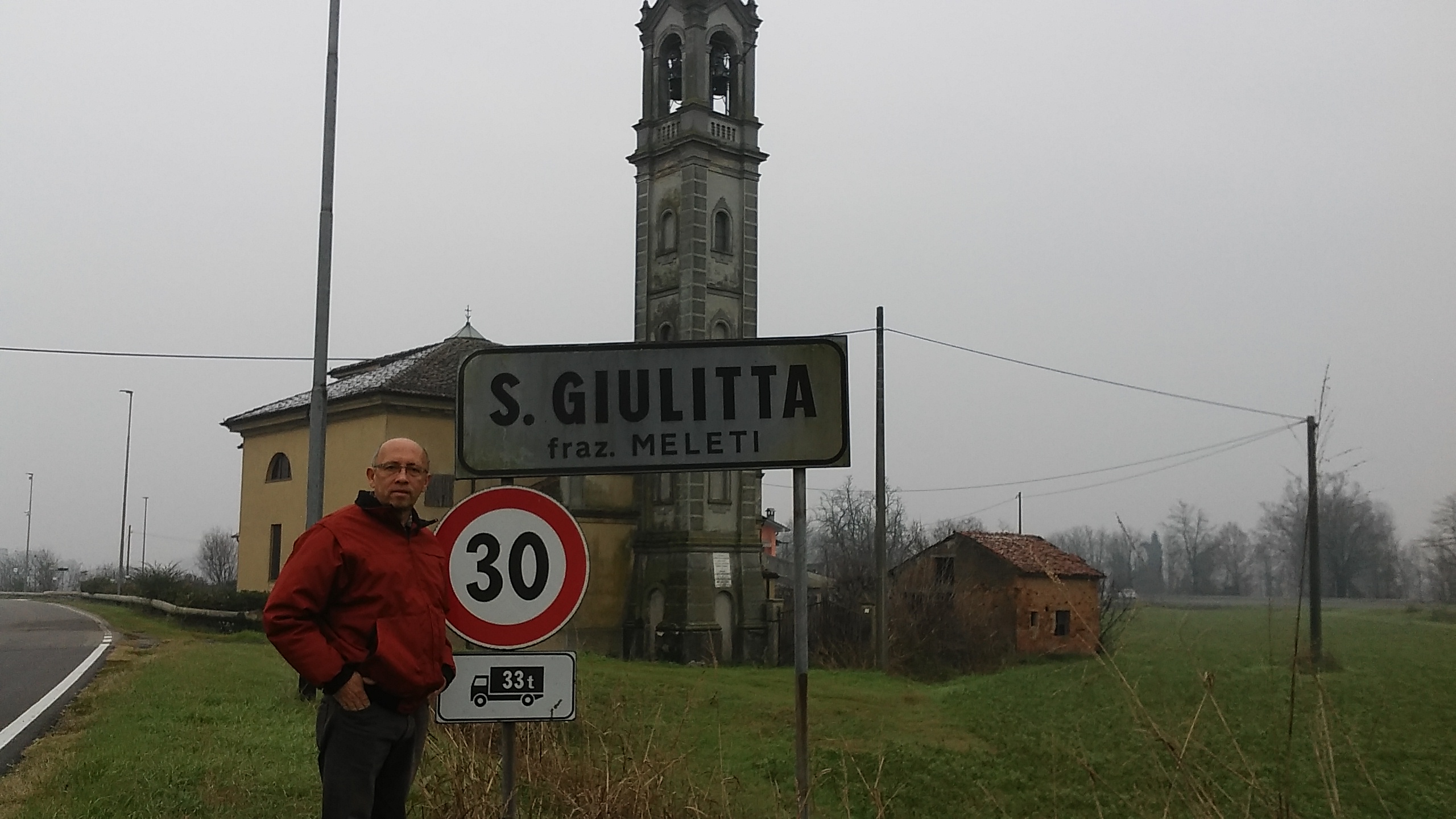
Meleti
Lodi
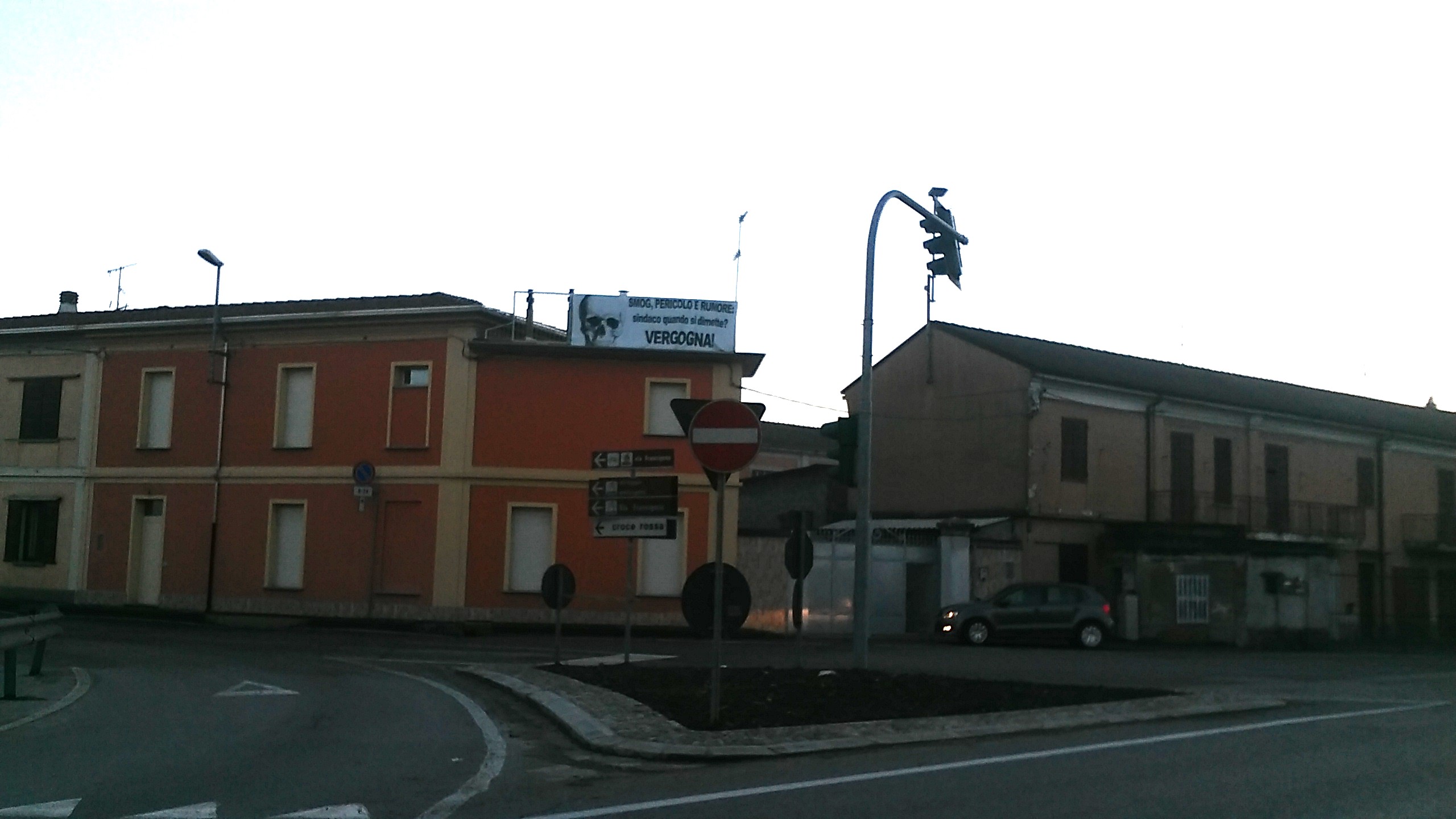
Outskirts
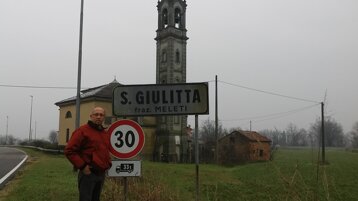
Church of Saint Julietta
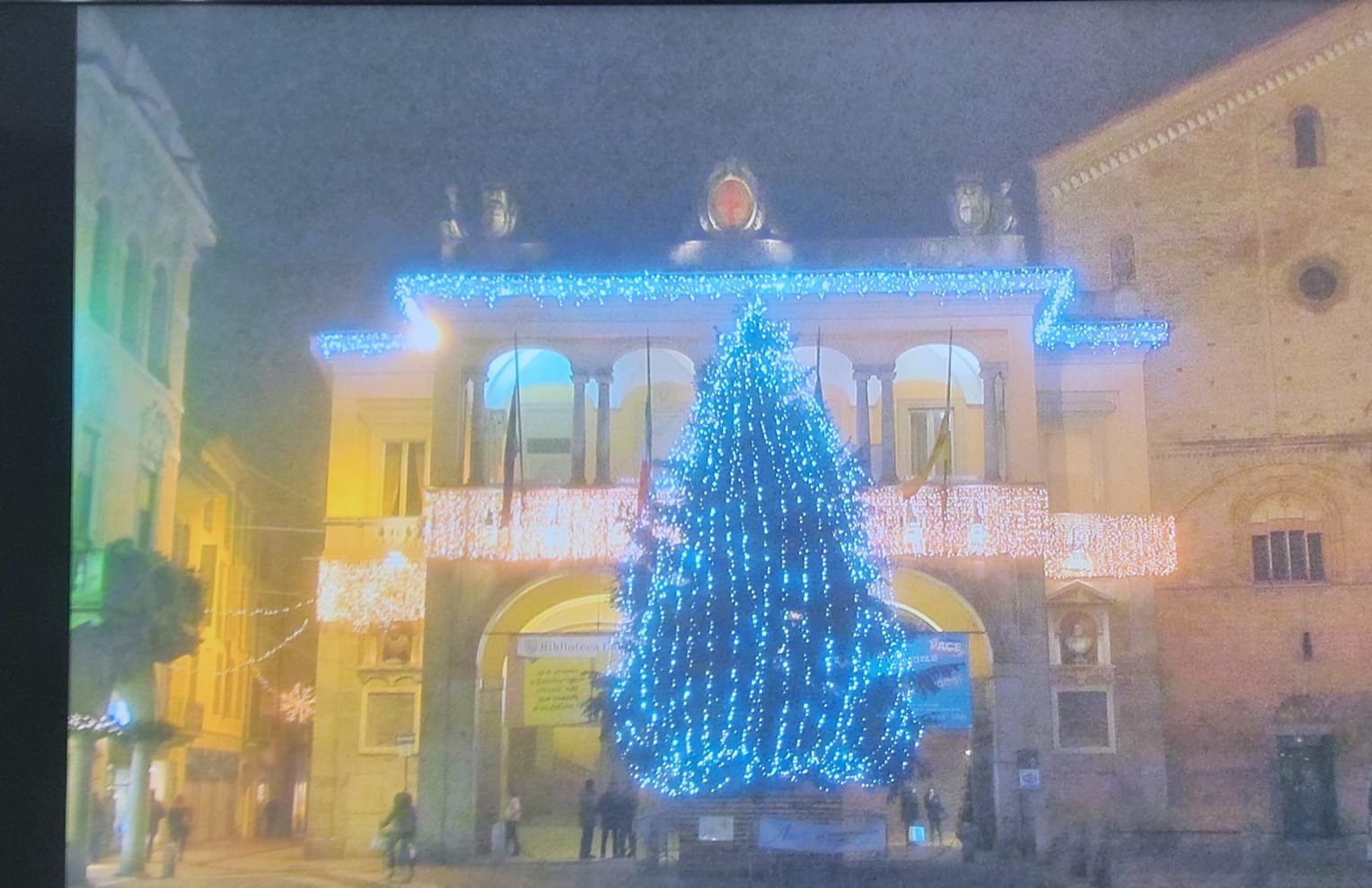
Town Hall
Provincia di Mantua
Area: 2,341.84 km² Municipalities: 64
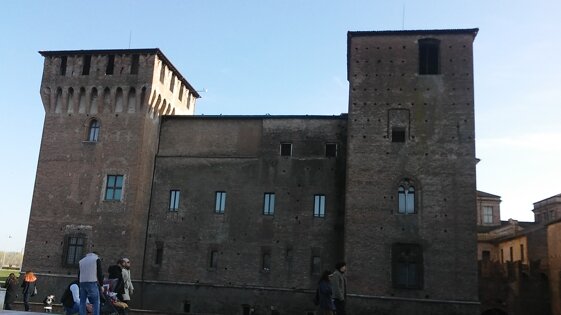
Mantua: Castle
Mantua: Castle
Travel photos...
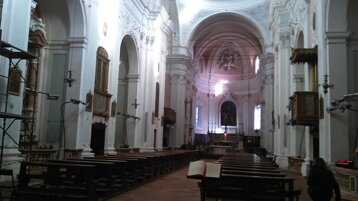
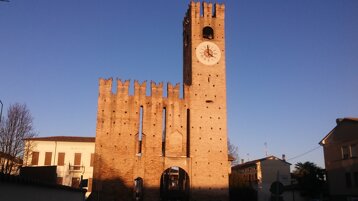
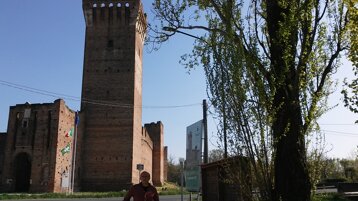
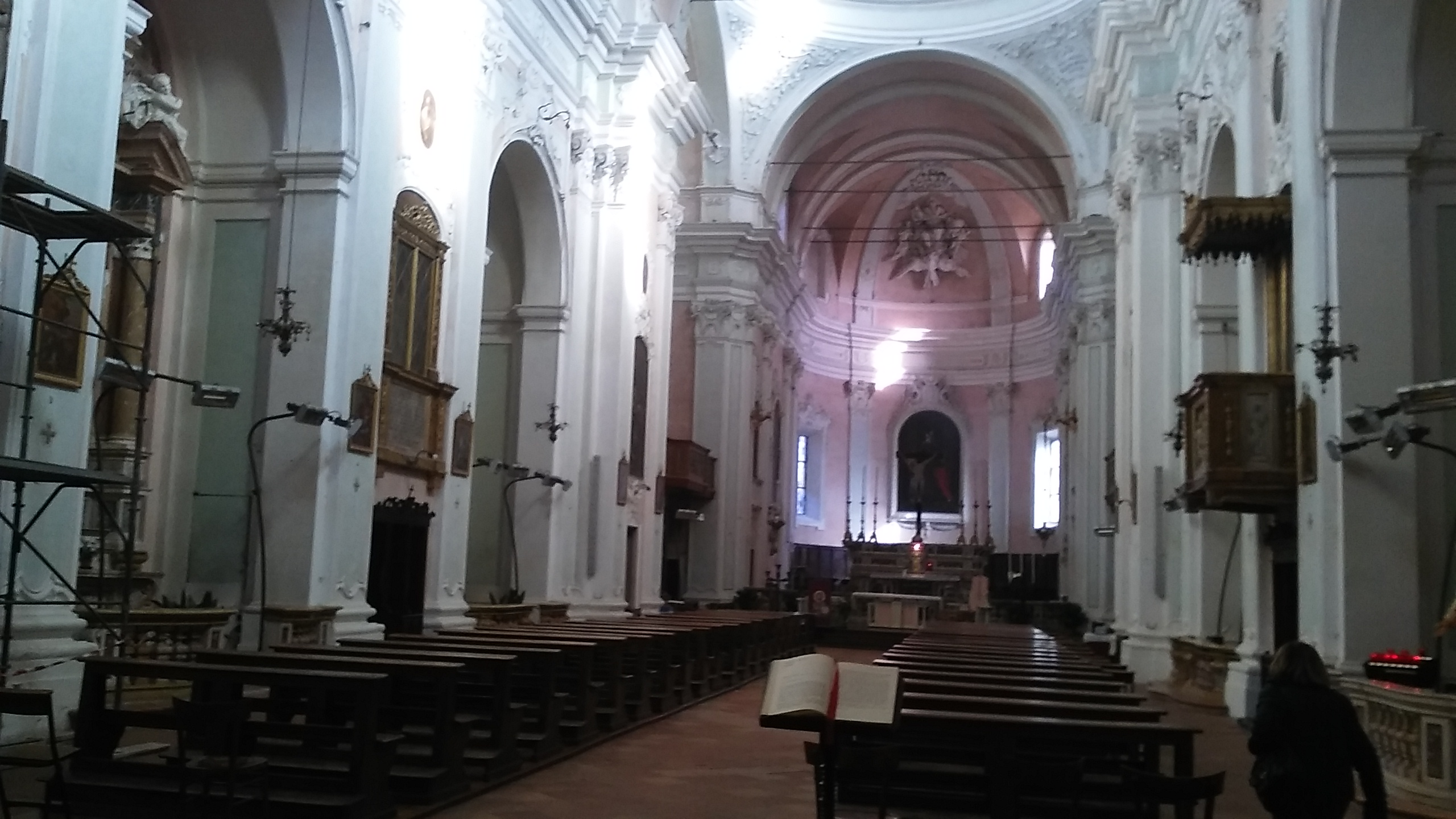
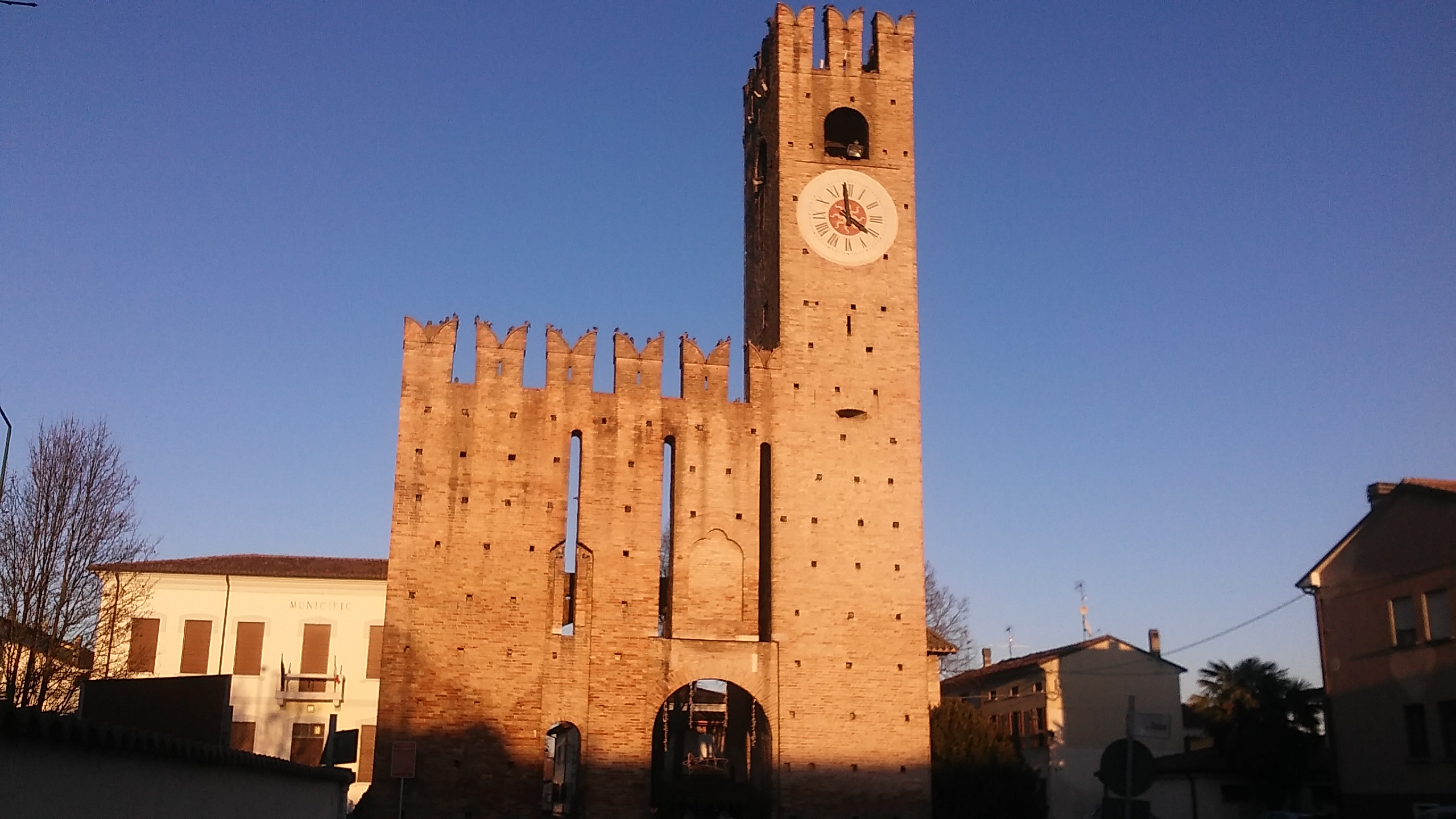
Mantua
Mariana Mantovana
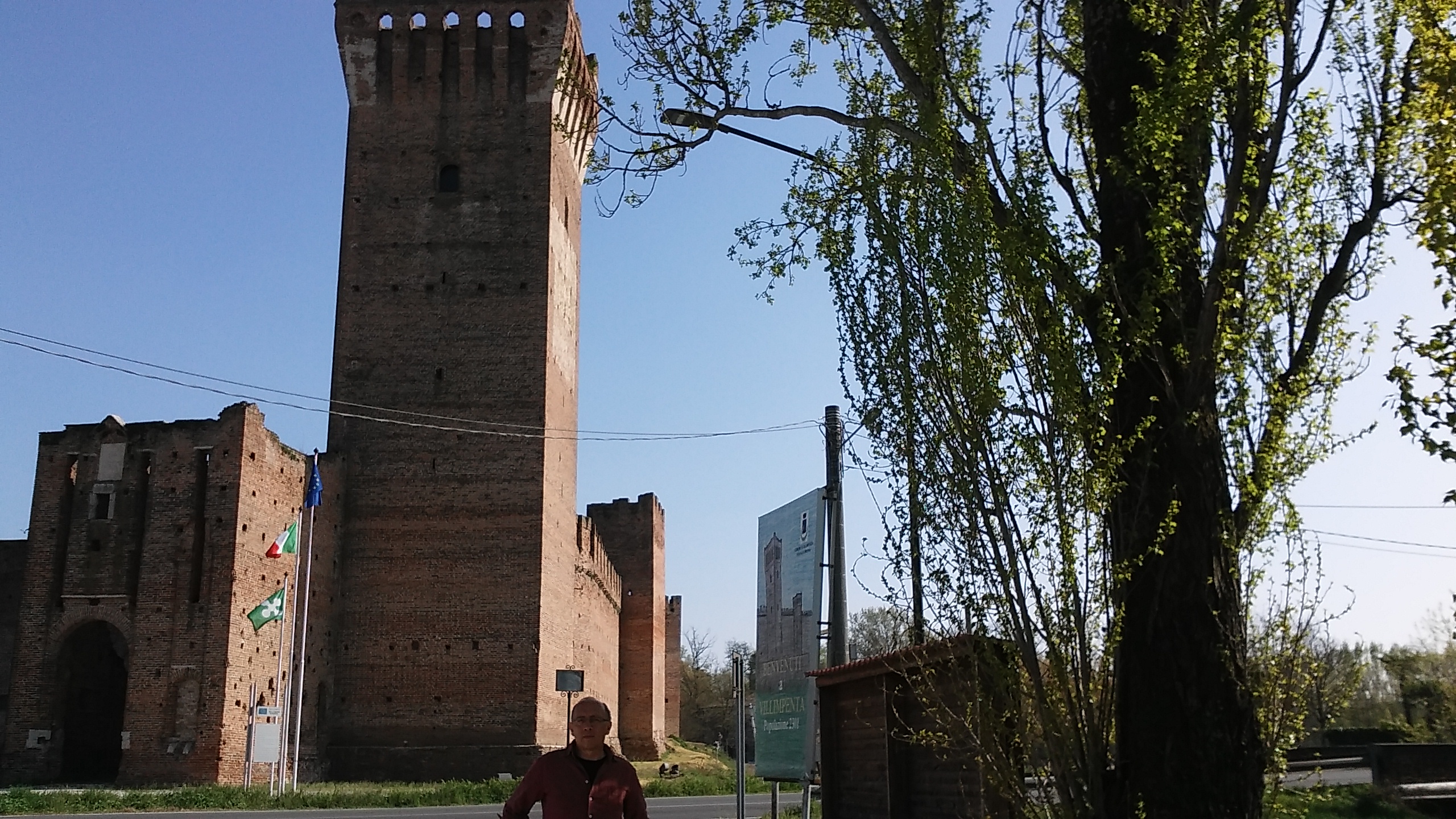
Villipenta
The quadrangular Bell Tower and the Portaia Tower
Church of St. Barnabas
Scaligero Castle
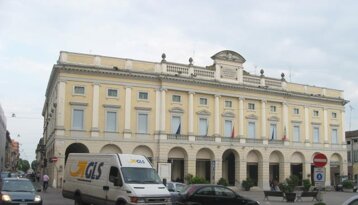
Asola
Bozzolo
Bozzolo
Town Hall
Historic center
Piazza Europa: in the center the Teatro Sociale, on the right the Church of San Francesco
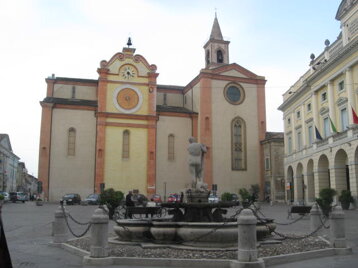
Asola
Mantua
Mantua
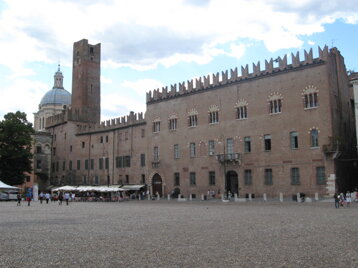
Piazza XX Settembre with the Church of Sant'Andrea
Bonacolsi Castiglioni Palace
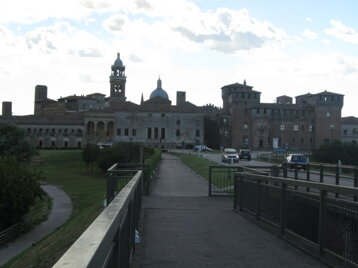
Historic center seen from San Giorgio Bridge
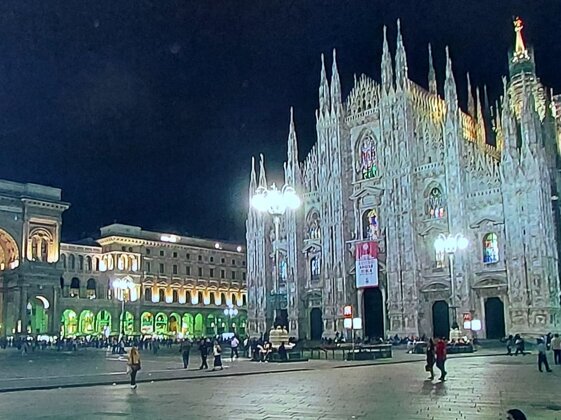
Metropolitan City of Milan
Area: 1,574.45 km² Municipalities: 133
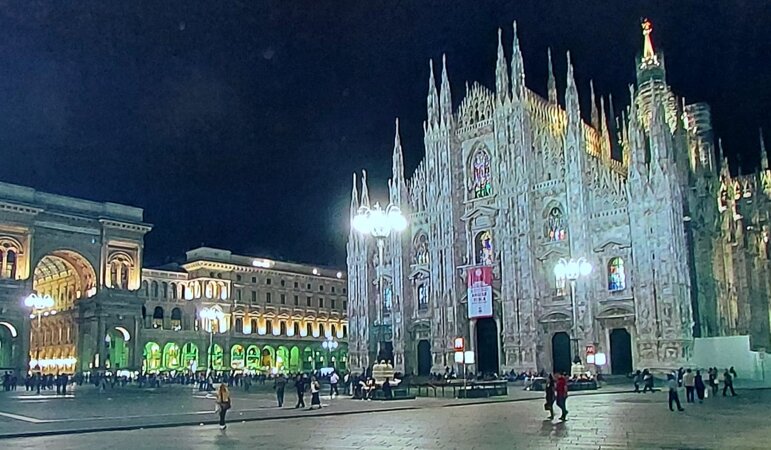
Milan: the Duomo
Milan: the Duomo
Travel photos...
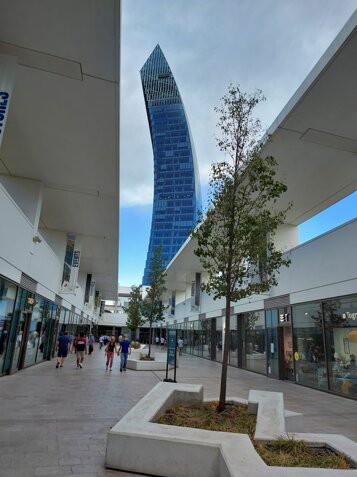
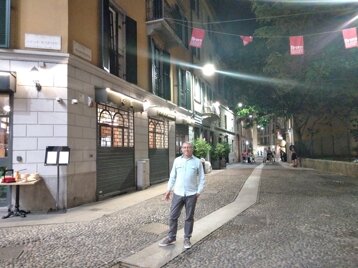
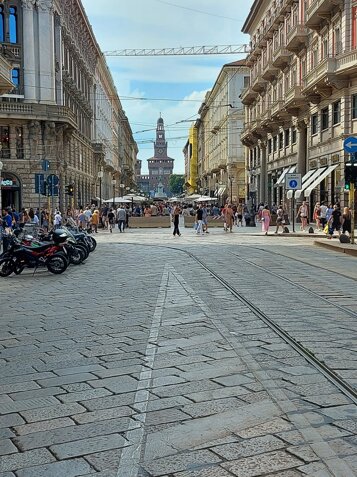
Milan
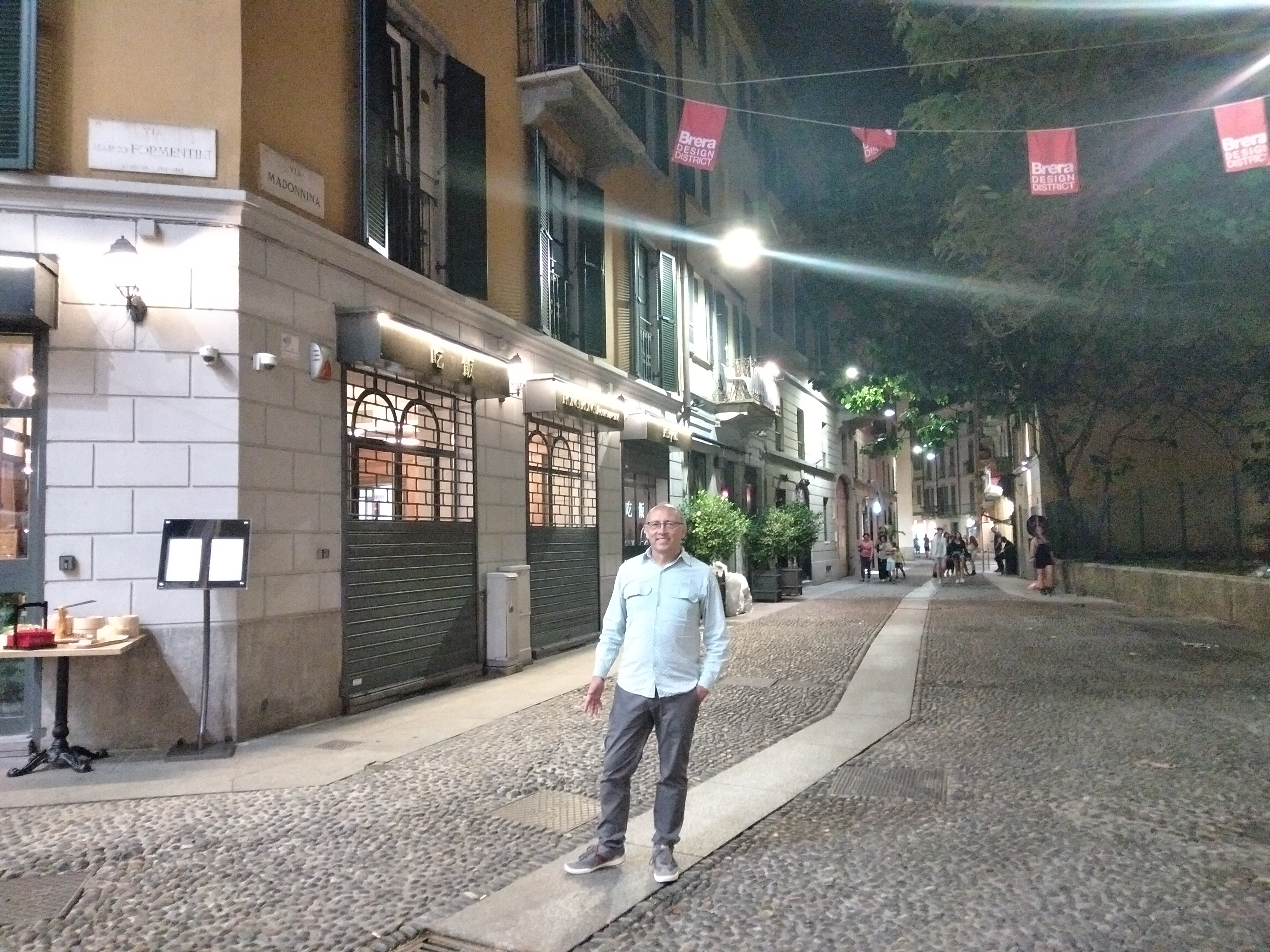
Brera District
Milan
Milan
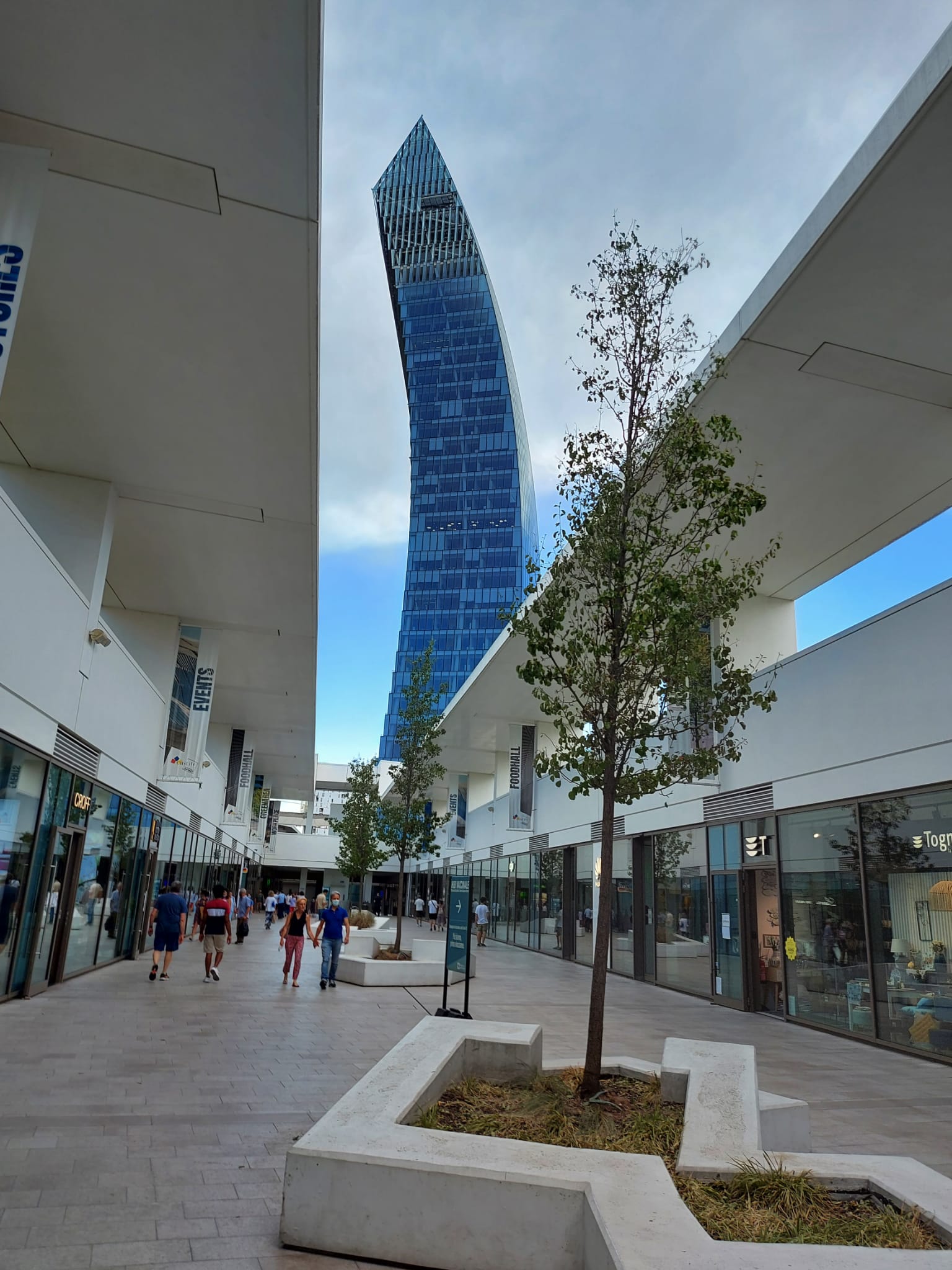
CityLife Shopping District
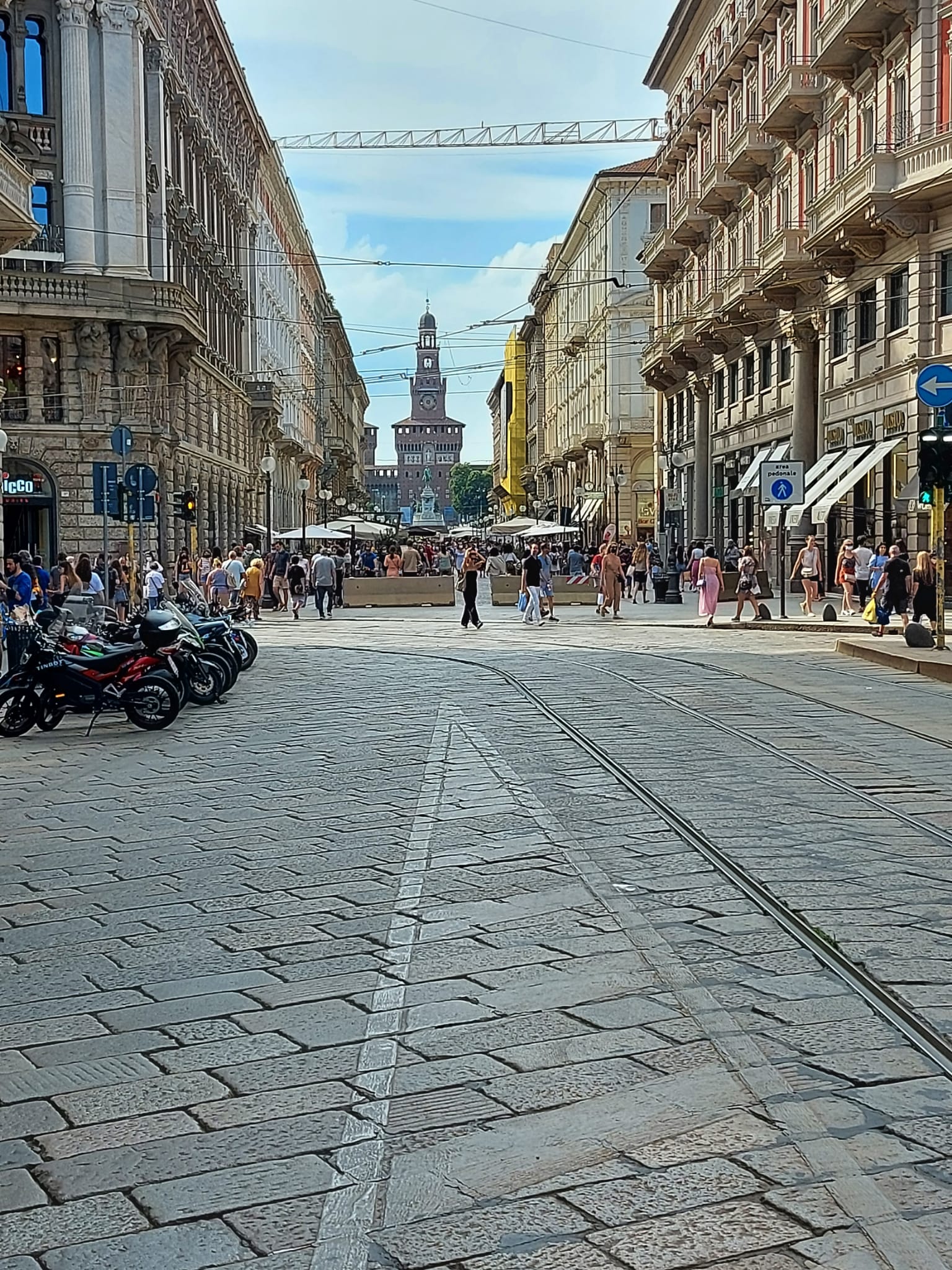
The very central Via Dante, with the Sforza Castle in the background
Province of Monza and Brianza
Area: 405.49 km² Municipalities: 55
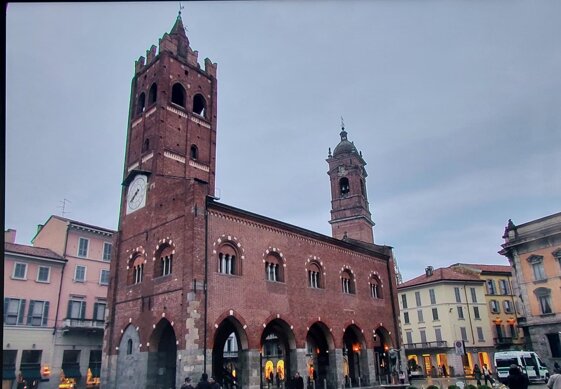
Monza: The ancient town hall called the Arengario
Monza: The ancient town hall called the Arengario
Travel photos...

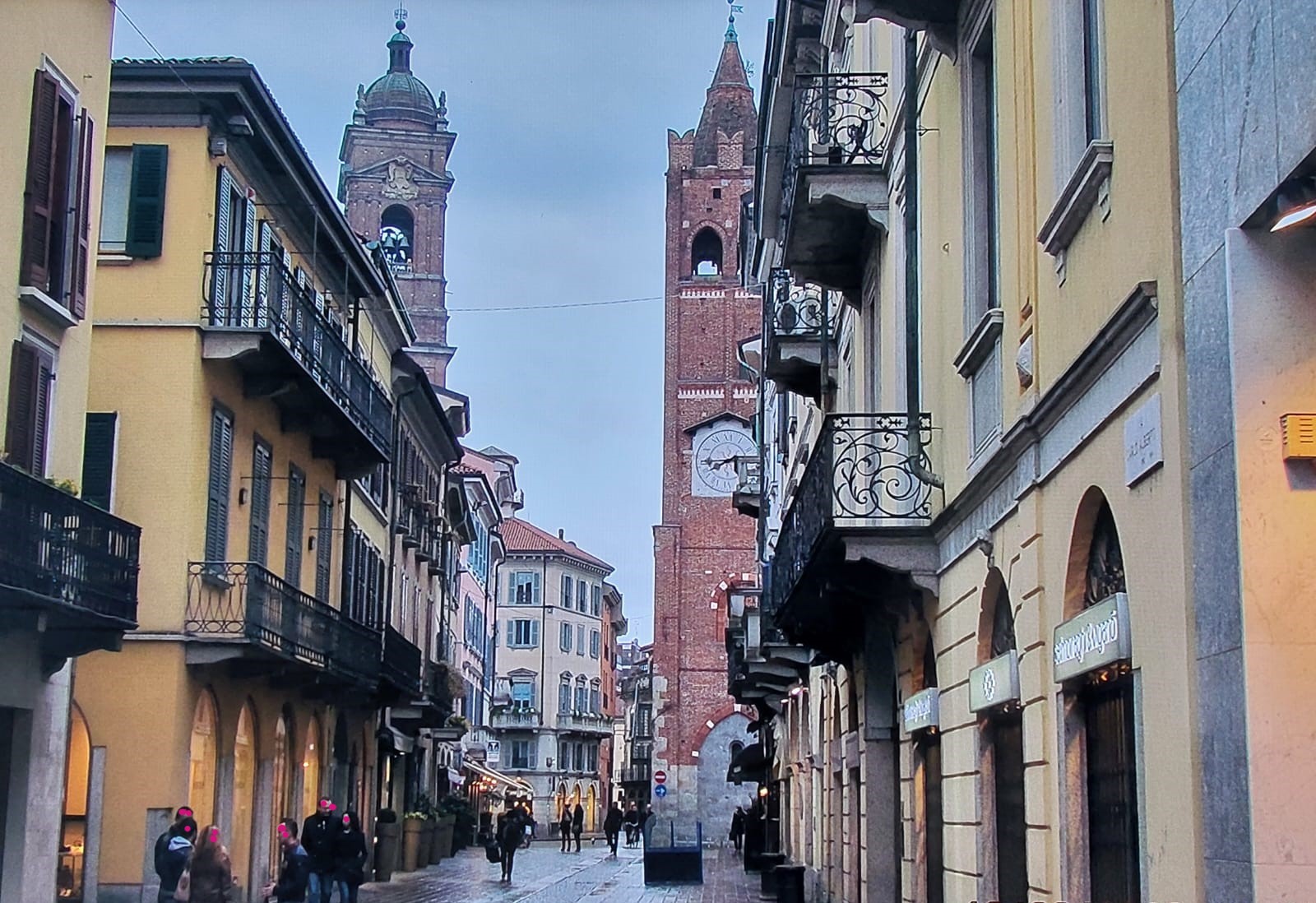
Monza
Monza
Monza
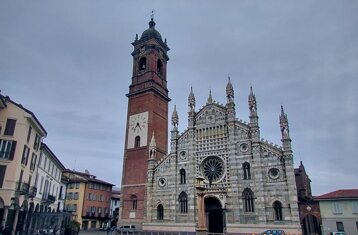
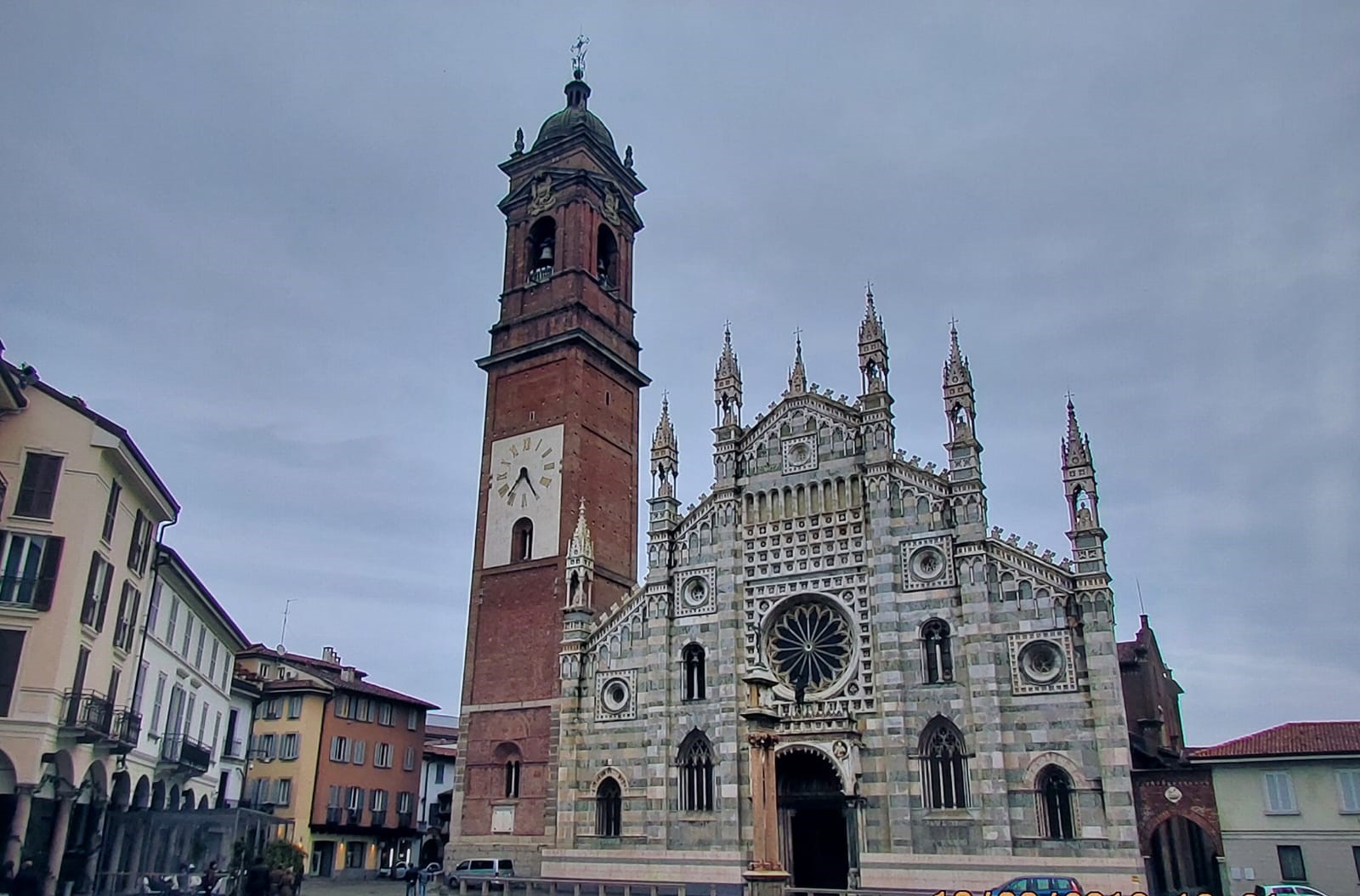
Minor Basilica of St. John the Baptist commonly called the Duomo
The very central Via Carlo Alberto, with Palazzo Arengario in the background
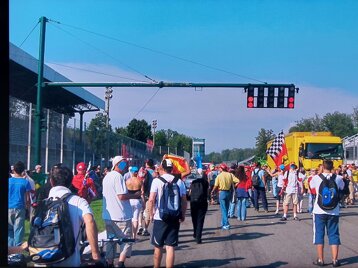
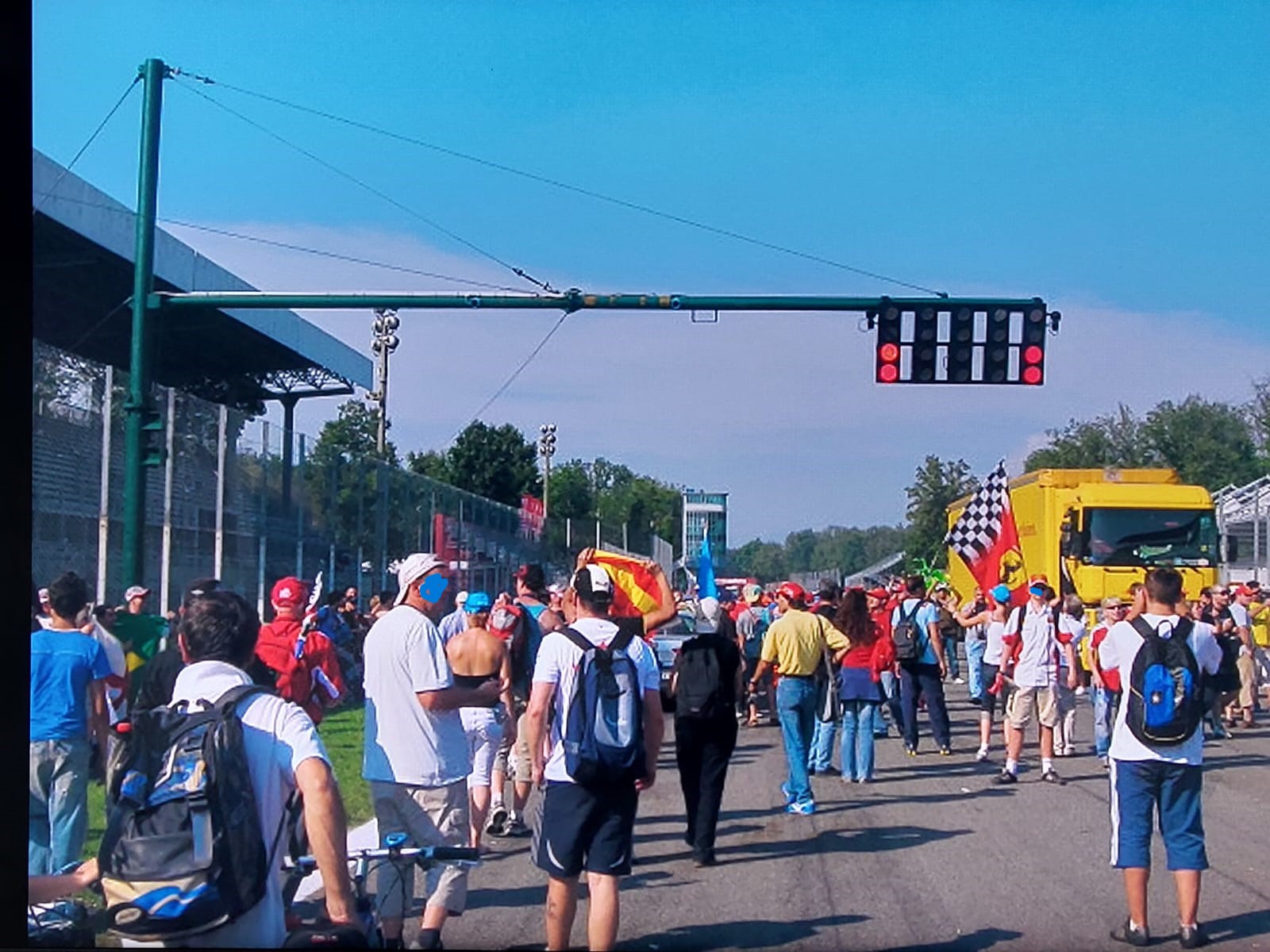
Racetrack where the Formula One Grand Prix is held in September
Province of Pavia
Area: 2967.93 Km² Municipalities: 185
Vigevano: The Castle Courtyard and the Bramante Tower
Vigevano: The Castle Courtyard and the Bramante Tower
Travel stories...
Vigevano
Terdoppio Lomellino
Pavia
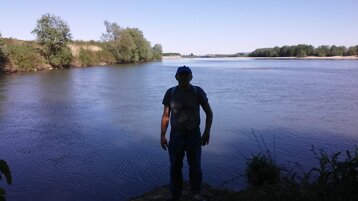
This adventure begins in the municipality of Sozzago, in the lower Novara area, where a watercourse named Refreddo originates. Here, in the company of a friend, I walked along the banks of this stream which for a few kilometers is little wider than a ditch. For a short stretch it marks the border between Piedmont and Lombardy; once it enters
the municipality of Cassolnovo, it winds sinuously through cultivated fields and centuries-old farmhouses until it reaches the territory of Gravellona Lomellina where it changes its name to Terdoppio Lomellino. In its waters we spotted
carp, turtles, shrimp, nutria; in the surrounding woods, hares, some roe deer and numerous species of birds. We
went along it and the bank was almost always at the level of the stream; only
near Dorno were its banks very high and subject to landslides. Except for a few stretches covered by brambles, we followed it with stubborn dedication, overcoming waterfalls, locks, railway
bridges, the Milan-Genoa motorway and numerous tributaries that often blocked our path. After 62 kilometres of adventures that I filmed with my mobile phone and will publish below, we finally
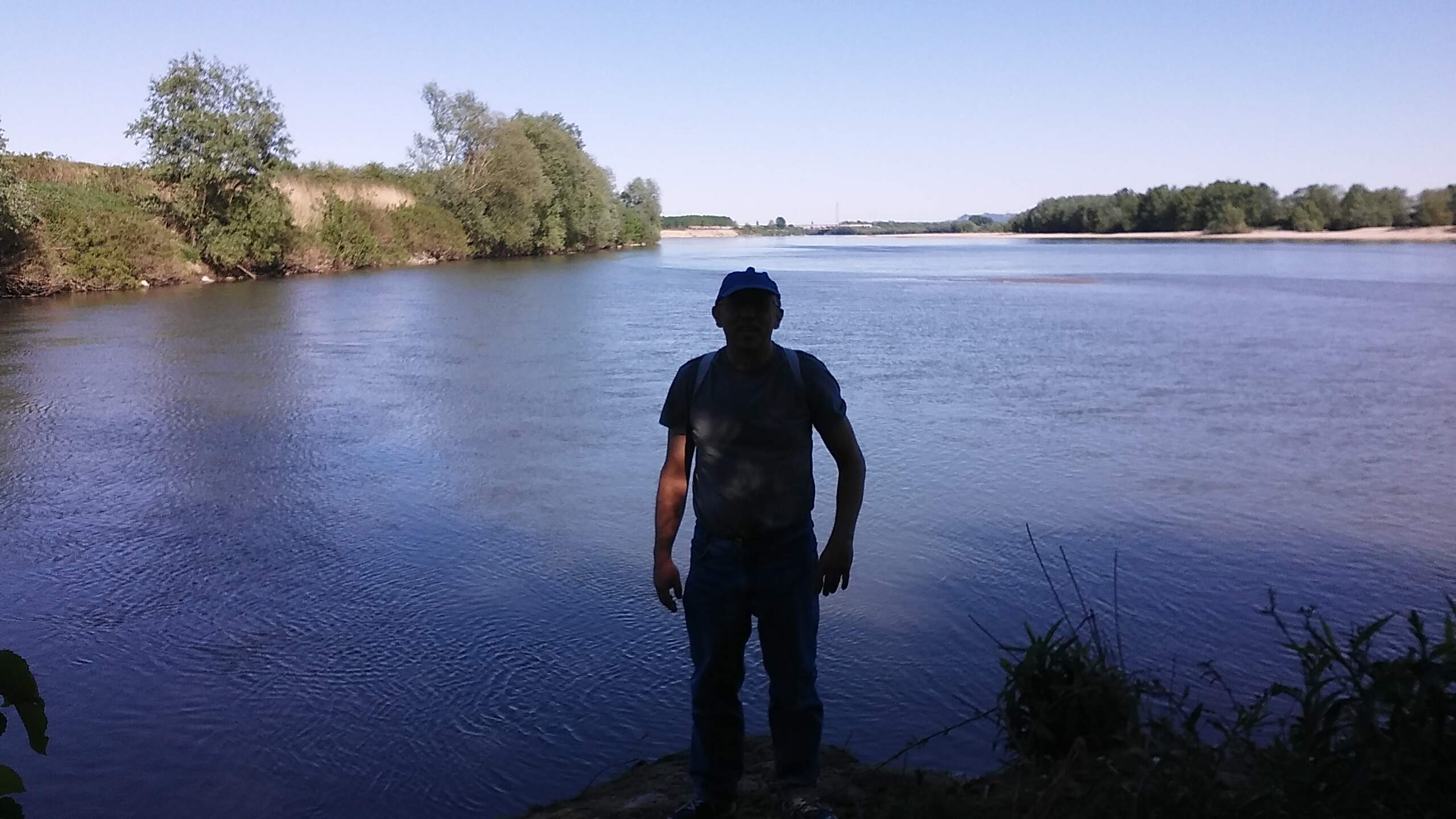
reached our destination. After passing the town of Zinasco, behind an embankment, we see the Terdoppio bending east in a desperate attempt to escape its destiny; finally it gives up and gets lost in the Po.
I have seen this city transform over the years; in part it has improved, in part it has not. There is a huge free parking lot not far from the center in the area called Fiera; from there in a few minutes
you arrive in Piazza Ducale, the city lounge and the beating heart of
the Vigevano nightlife. This
magnificent square was commissioned by Ludovico Sforza known as the Moor,
lord of the Duchy of Milan. It is always pleasant to enjoy an ice cream
while walking under the arcades, looking now at the Cathedral of Sant'Ambrogio,
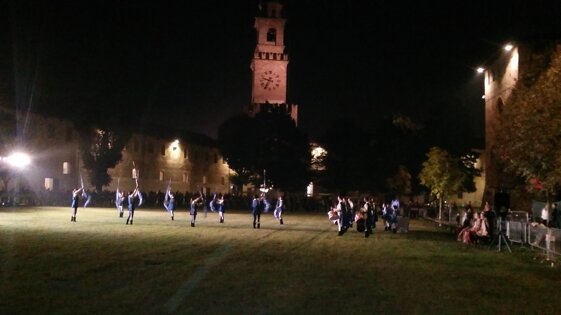
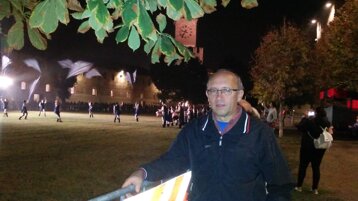
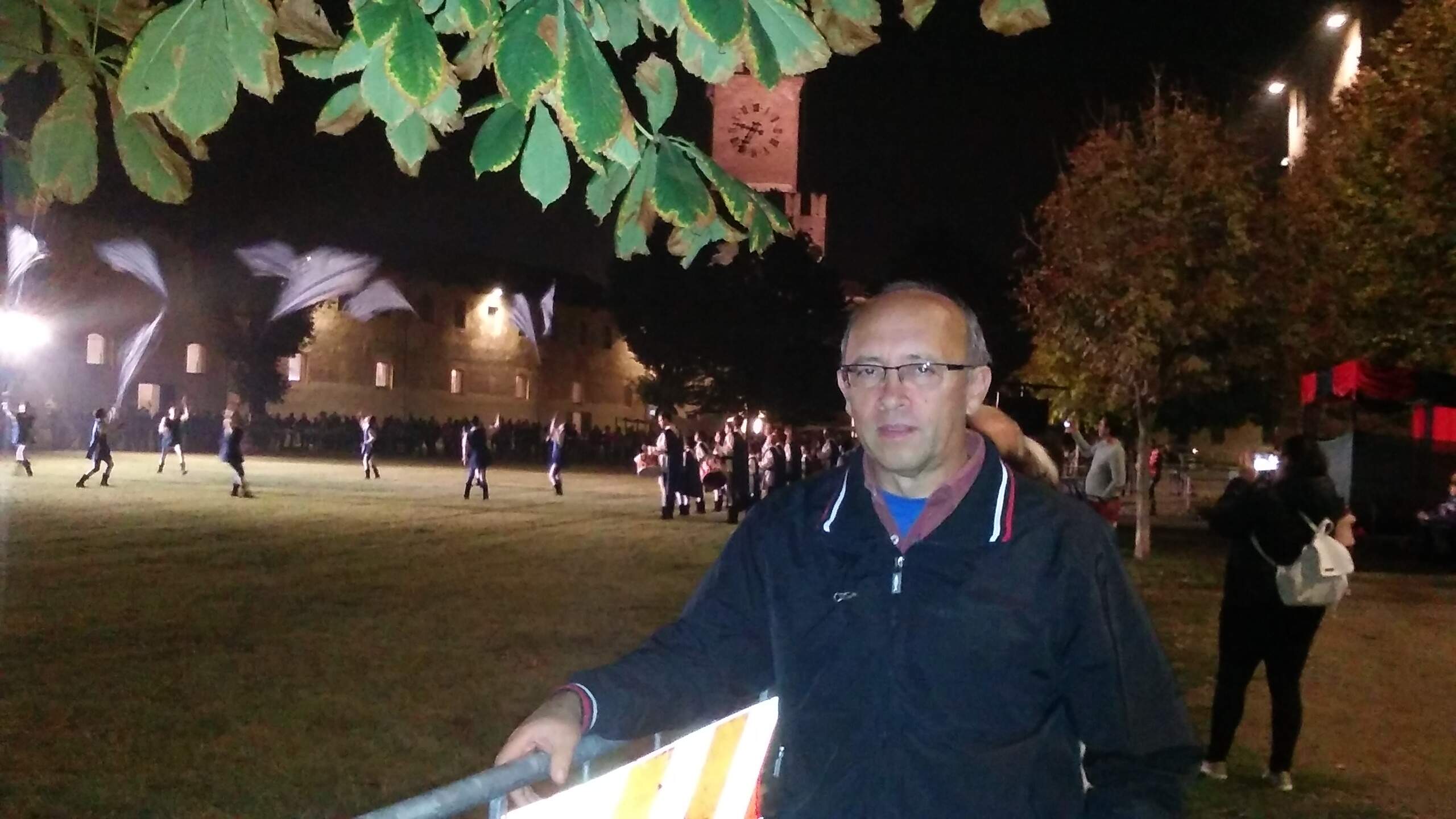
now at the Torre del Bramante. From a staircase in the square you can access the Castle; on October evenings during the feast of Blessed Matteo, the patron saint of the city, the courtyard of this perfectly preserved fortress comes alive with flag-wavers and costumed figures. My favorite area is via del Terraggio, a cobblestone street that starts from a characteristic mill and winds narrowly between the walls of houses now inhabited only by immigrants. The long stretch of the Ticino river, lined with houses surrounded by lush vegetation, is also very beautiful. The new ring road that leads to Milan, on the one hand, has decongested city traffic, but on the other has clearly separated the city from the river, cutting the green lung in two, and ruined delightful streets like via Morabassa that crossed it.
Arriving from the north, you enter the city by crossing the Ponte della Libertà to
land in a large square with the statue of the goddess Minerva in the
centre; in these parts there is little parking and almost all of it is
paid. I like walking so I usually leave my car in the Borgo Ticino neighbourhood. I have played several chess tournaments
in this neighbourhood, and each time I had lunch in an open-air tavern
where under a pergola I enjoyed mixed fried river fish with Alborelle and other fried fish called Butin in the local dialect...
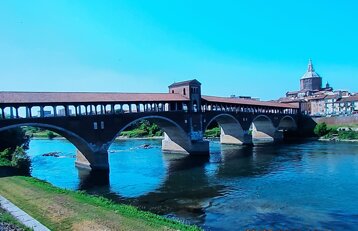
From there, in a few steps you arrive in front of the symbol of Pavia: the
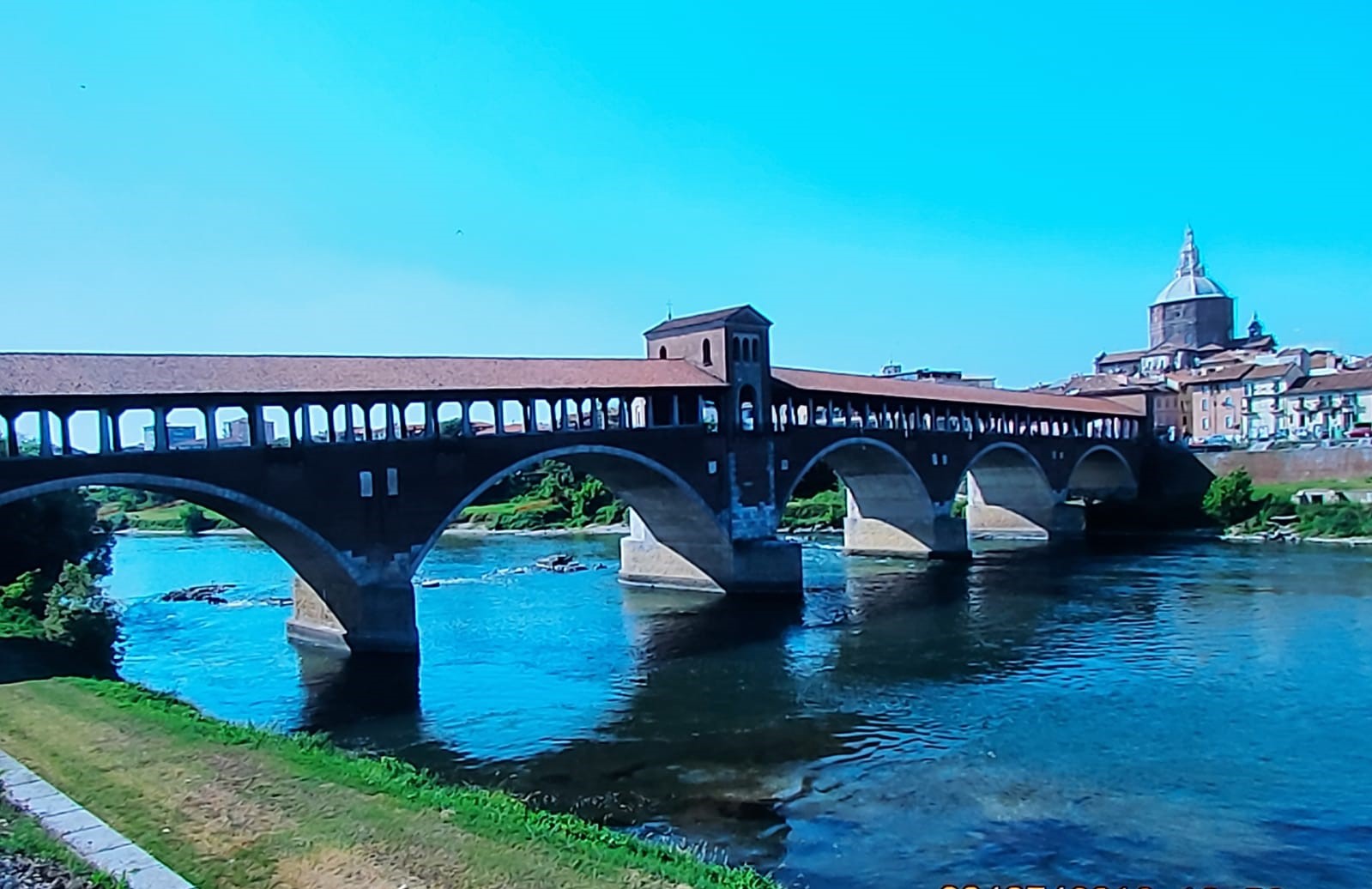
Covered Bridge built in the 14th century by the Visconti. After crossing the
River Ticino, you enter Corso Strada Nuova, the heart of the nightlife of Pavia. In the first part of this street you come across the Duomo; a few minutes' walk and you cross the porticoes of the University. Pavia is also an important university city and with a friend
who is a natural sciences student I visited the Botanical Garden; a true paradise for plant enthusiasts. My classic walk ends after about a kilometer in front of the Castello Visconteo. Commissioned in 1360 by Galeazzo II Visconti, enriched in the 15th century with important decorations by Francesco Sforza, today it is home to the Public Library and various museums full of famous works of art.
Province of Sondrio
Area: 3194.89 Km² Municipalities: 77
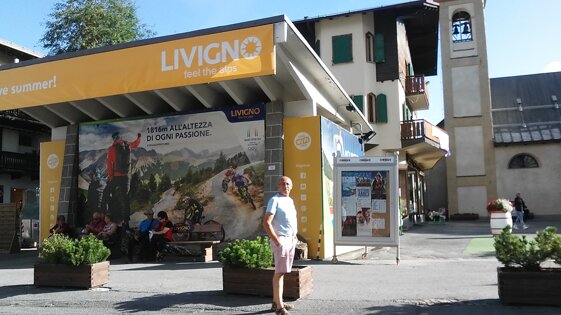
Livigno: the shopping area
Livigno: the shopping area
Travel photos...
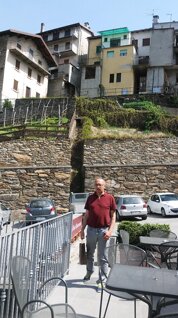
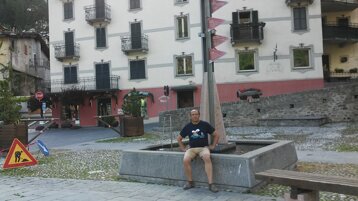
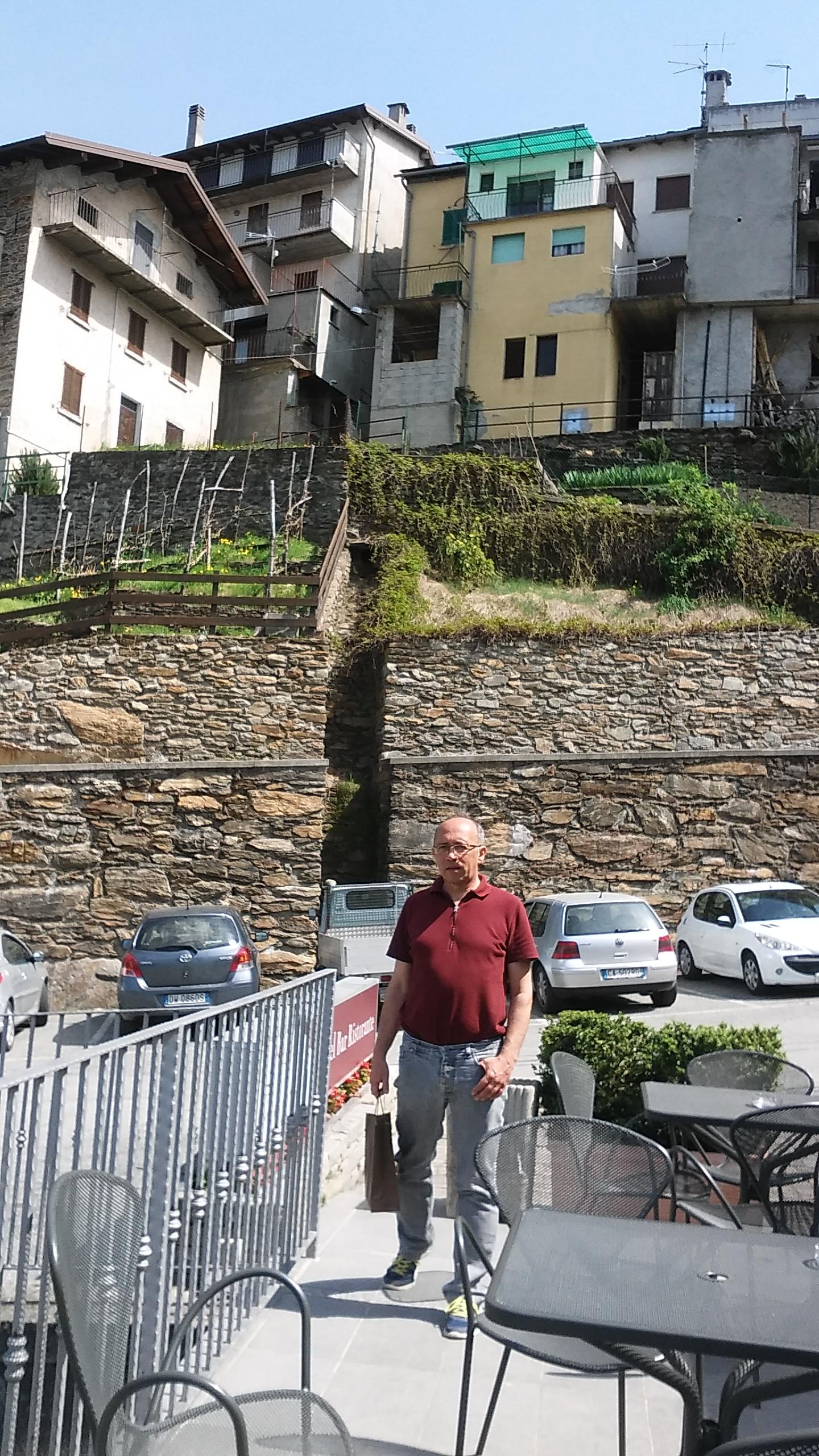
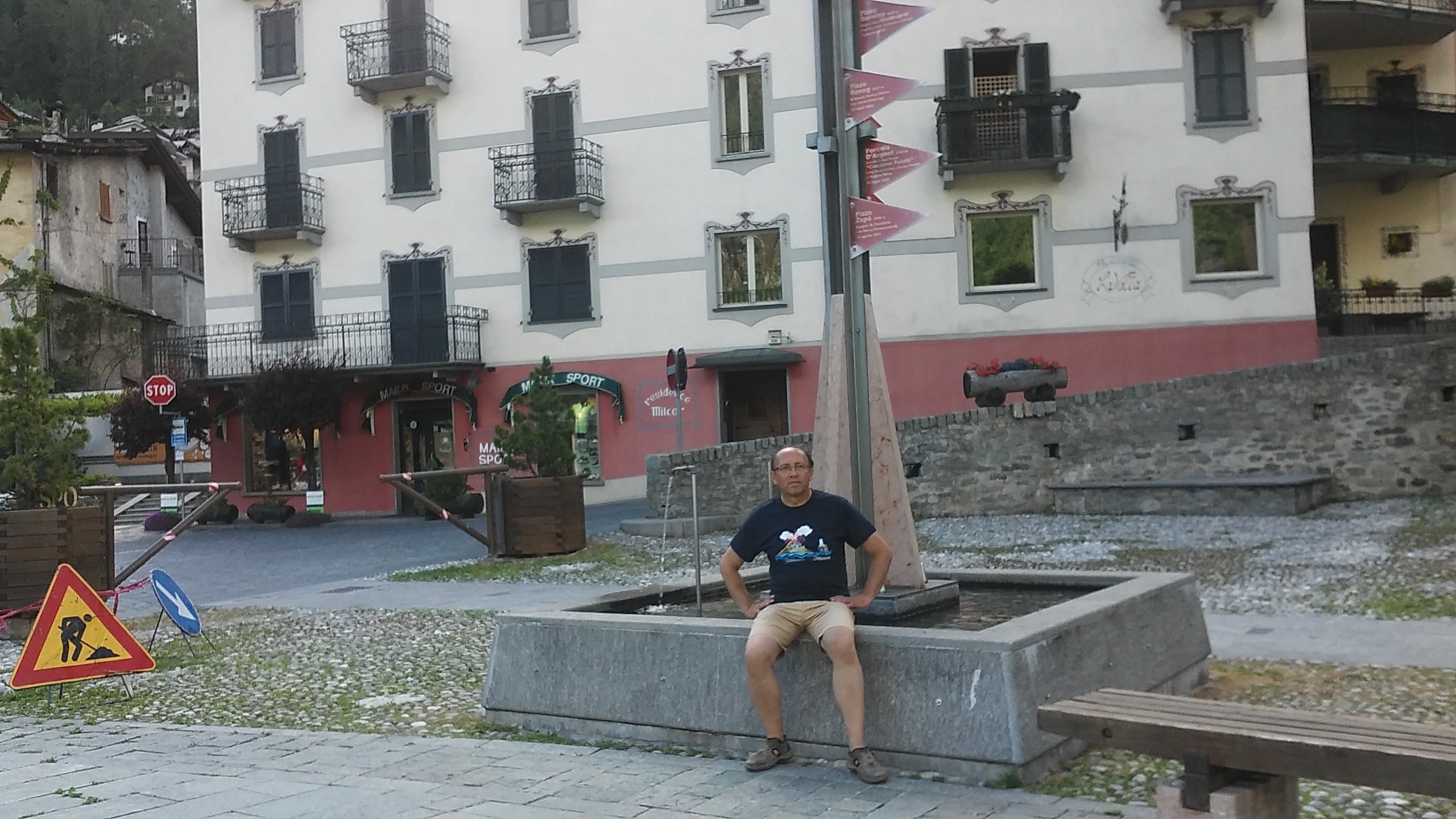
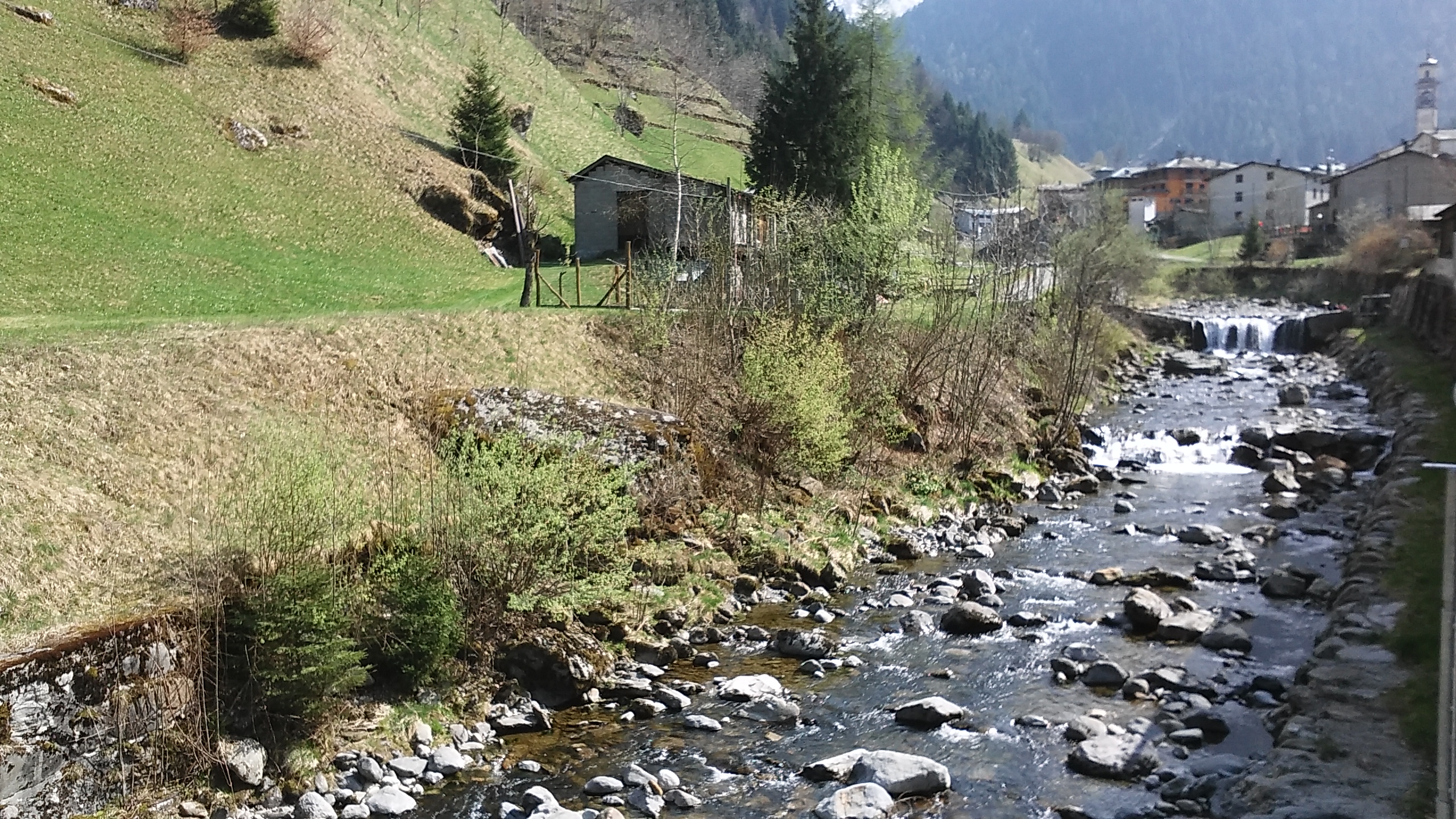
Chiesa in Valmalenco
Gerola Alta
Historic center
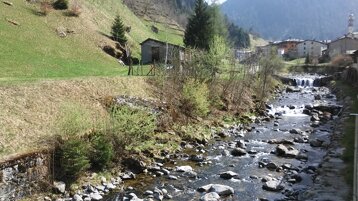
The Bitto torrent that crosses the town
Bema
A small village in the Orobie Valtellinesi Park
Tirano
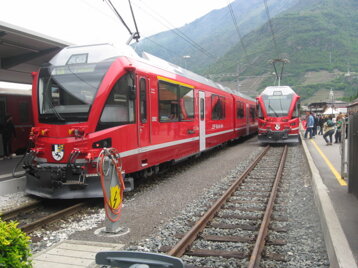
Tirano
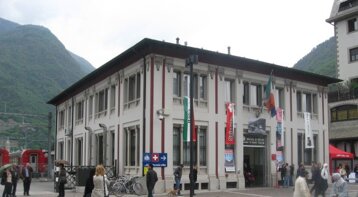
Tirano
Railway station
Bernina Red Train on the Rhaetian Railway
Art Deco Customs Palace
Lago di Mezzola
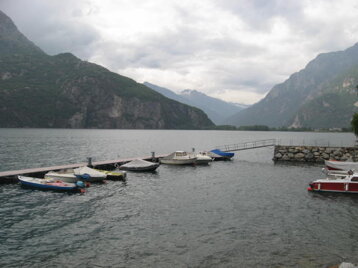
Verceia
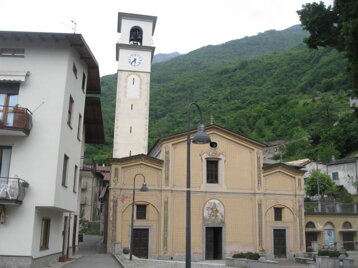
Talamona
Small port near Verceia
Parish church of San Fedele built in Romanesque style
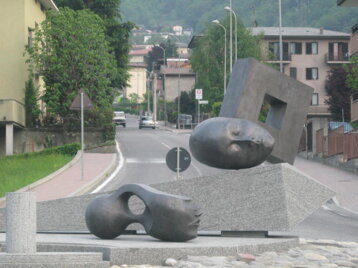
Roundabout of Via Roma
Province of Varese
Area: 1199.25 Km² Municipalities: 136
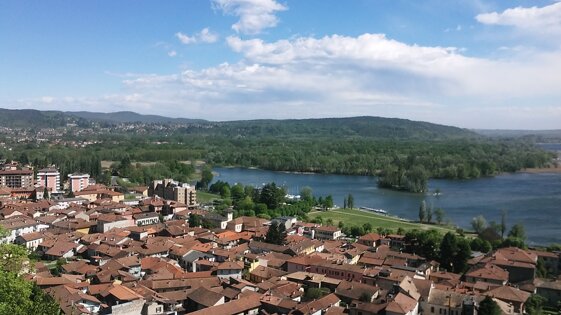
Angera: Panorama of the city and Lake Maggiore
Angera: Panorama of the city and Lake Maggiore
Travel photos...
Agra
Caronno Varesino
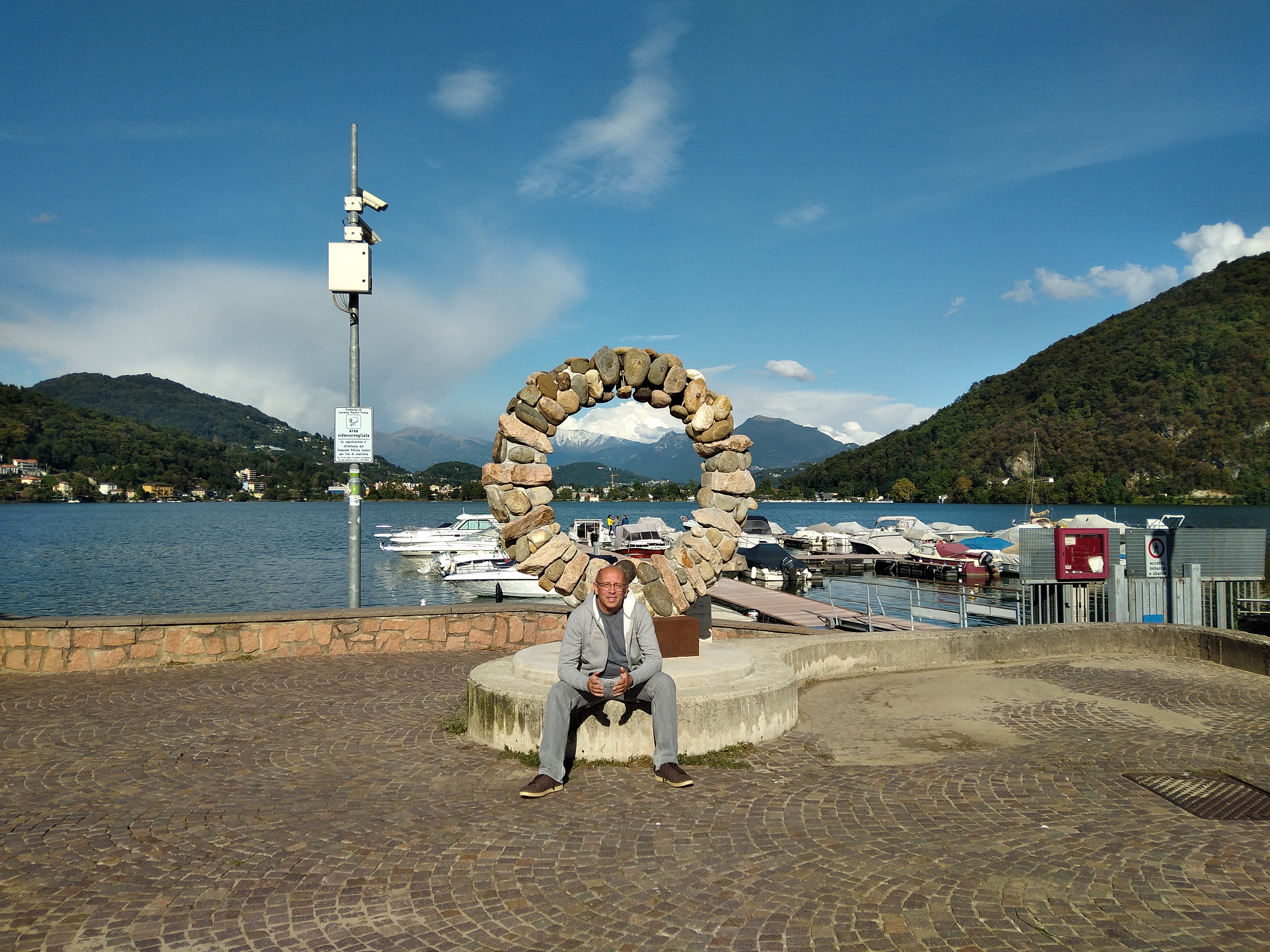
Lavena Ponte Tresa
Lakeside, 700 meters from the Swiss border
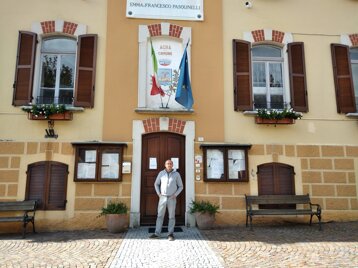
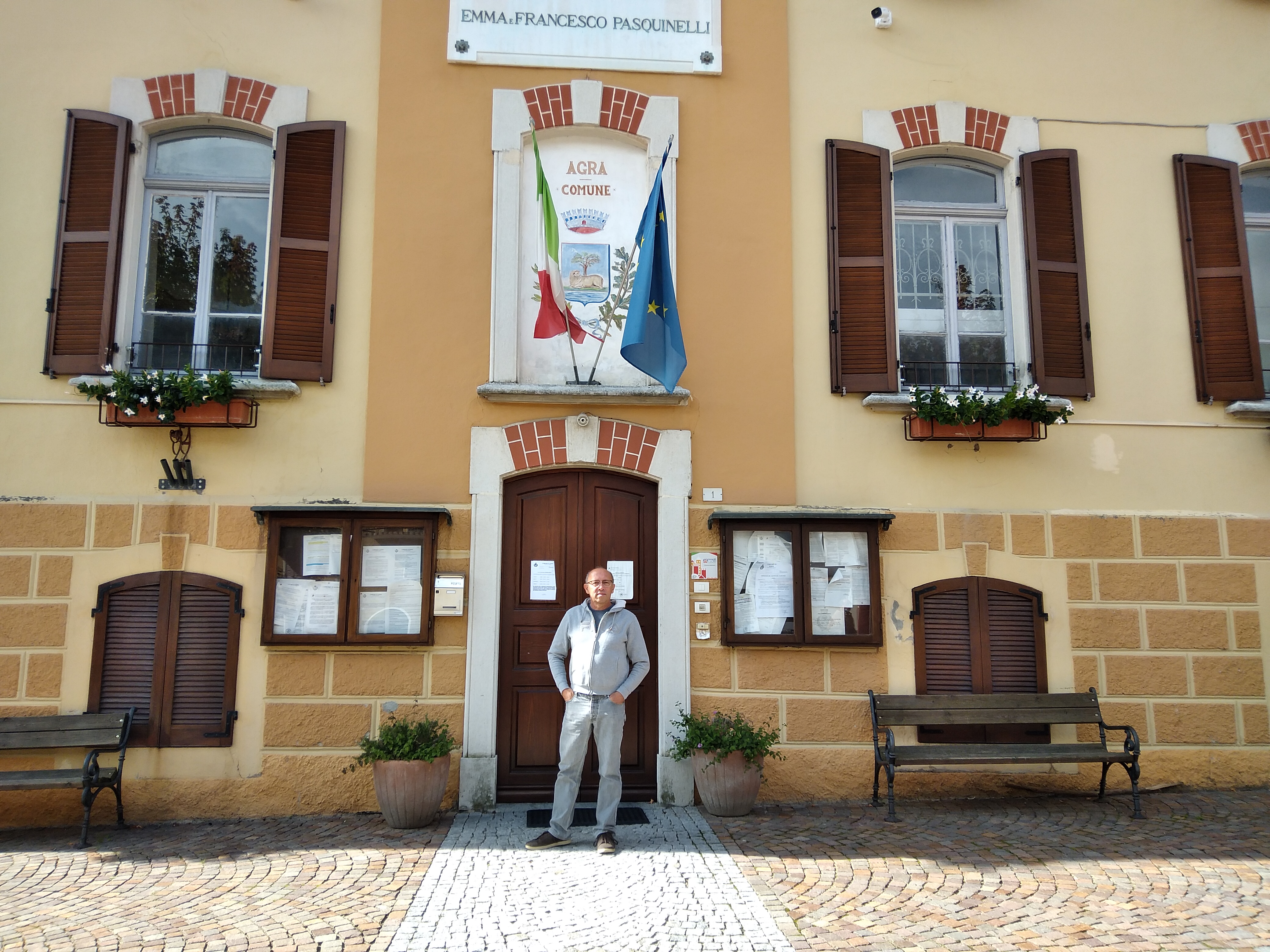
Town Hall and Nursery School
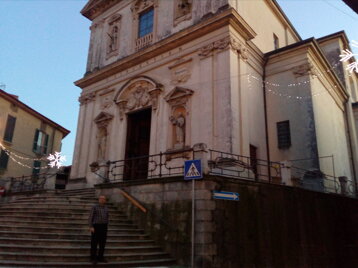
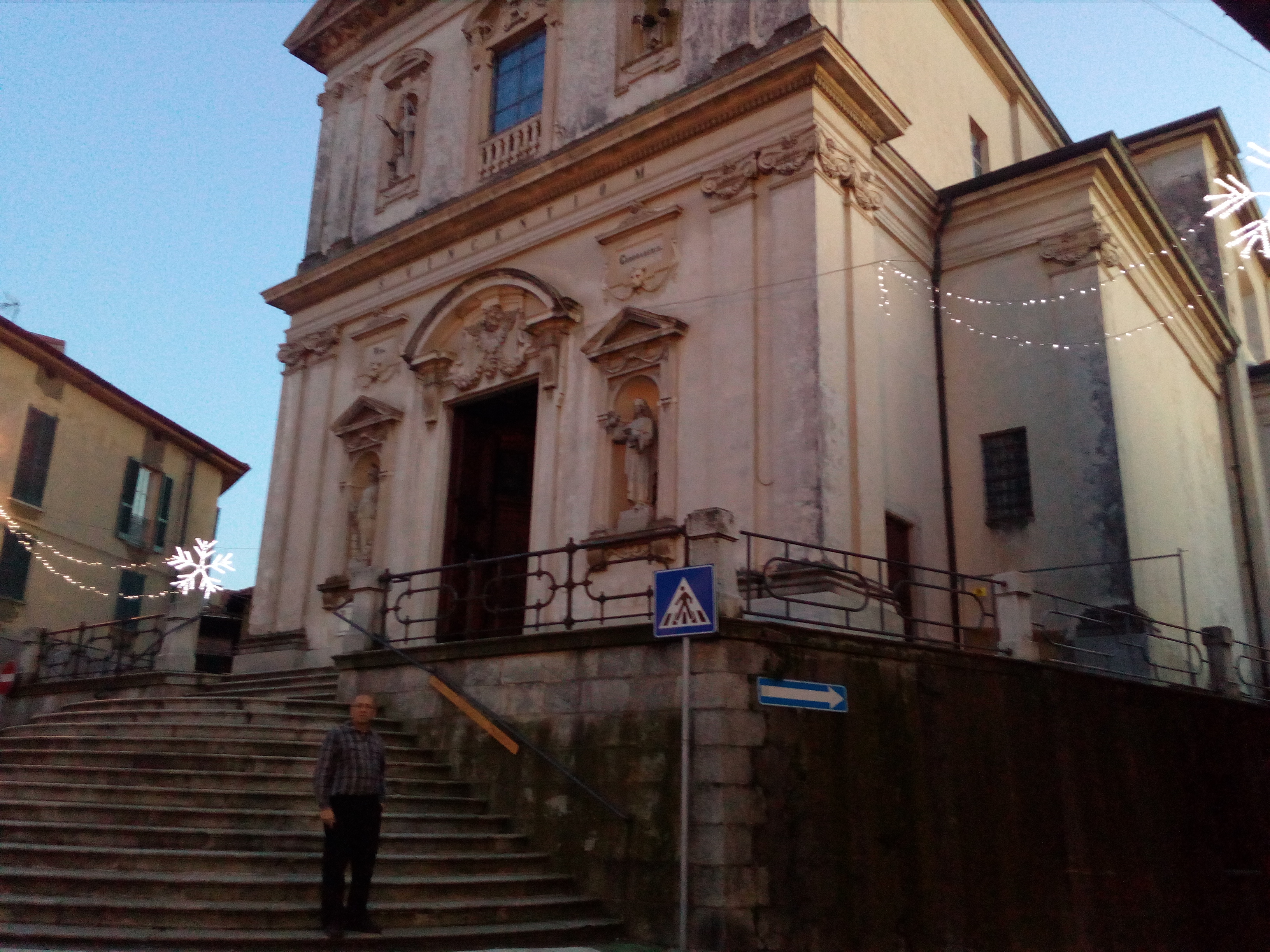
Parish Church of San Vincenzo Martire
Somma Lombardo
Somma Lombardo
Somma Lombardo
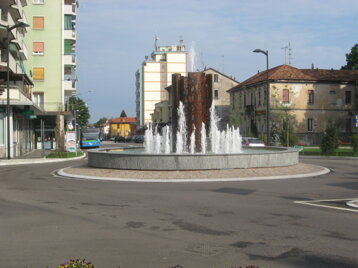
Round Fountain in Largo Sant'Agnese
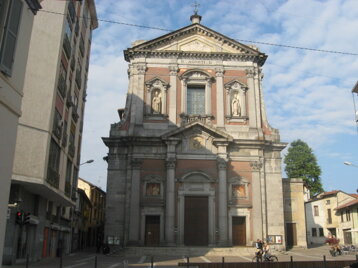
Prepositural Church of St. Agnes
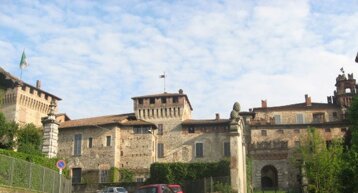
Visconti Castle of San Vito
Rocca di Angera
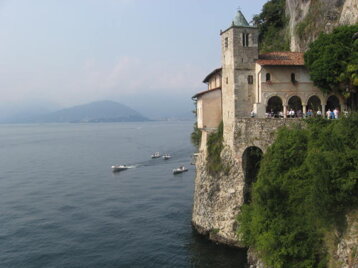
S. Caterina del Sasso
Leggiuno
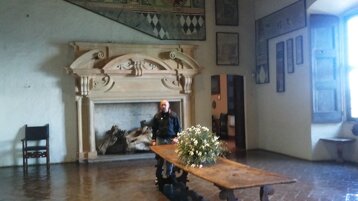
Internal
Hermitage built on a rocky ridge overlooking Lake Maggiore
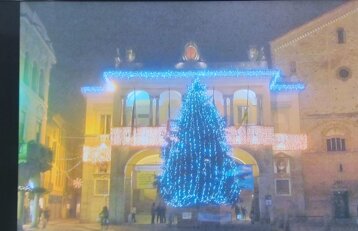
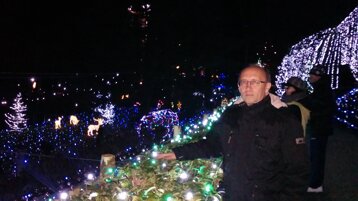
Christmas lights