© Vietato l'utilizzo dei contenuti senza autorizzazione
Abruzzo
CHIETIL'AQUILAPESCARA TERAMO
I have been to this region several times. After the first time I felt the "mal d'Abruzzo", a kind of nostalgia for the beautiful sandy coast where the sunsets are so romantic ... especially along the Costa dei Trabocchi. Then the hills full of medieval villages surrounded by vineyards. No less beautiful are the mountains, the highest in the Apennines, among which the Gran Sasso massif stands out, with the Campo Imperatore area among my favorites. But the thing I love most about Abruzzo is the wild nature that expresses its best in the Sagittario Valley. This region loves and respects nature, giving shelter to many rare animal and plant species, among which the Marsicano Bear stands out. From the Abruzzo cuisine I appreciated the Spaghetti alla chitarra, the fish soup, the Pallotte cace and where, and finally the Confetti di Sulmona tasted in the most famous local company. Among the wines, my favorite is the Cerasuolo d'Abruzzo in the rosé version.
Province of Chieti
Area: 2588,35 Km² Municipalities: 104
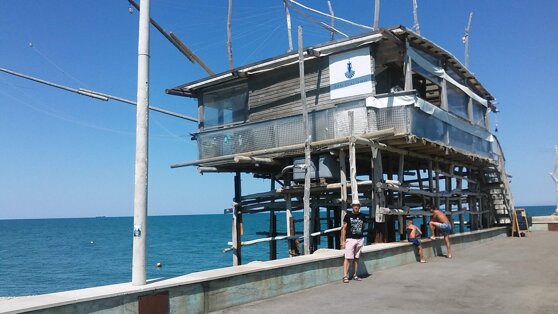
Ortona: Lido Riccio beach
Ortona: Lido Riccio beach
travel stories...
Trabocchi coast
Crecchio
Ortona
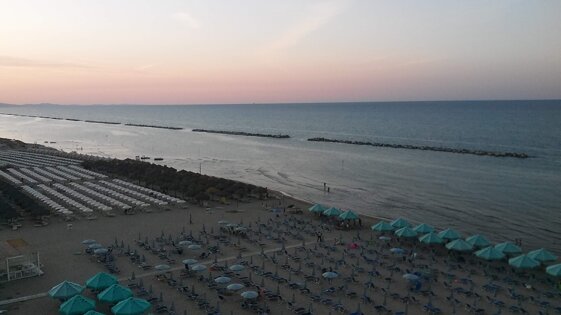
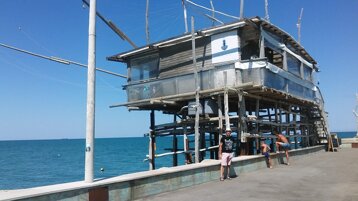
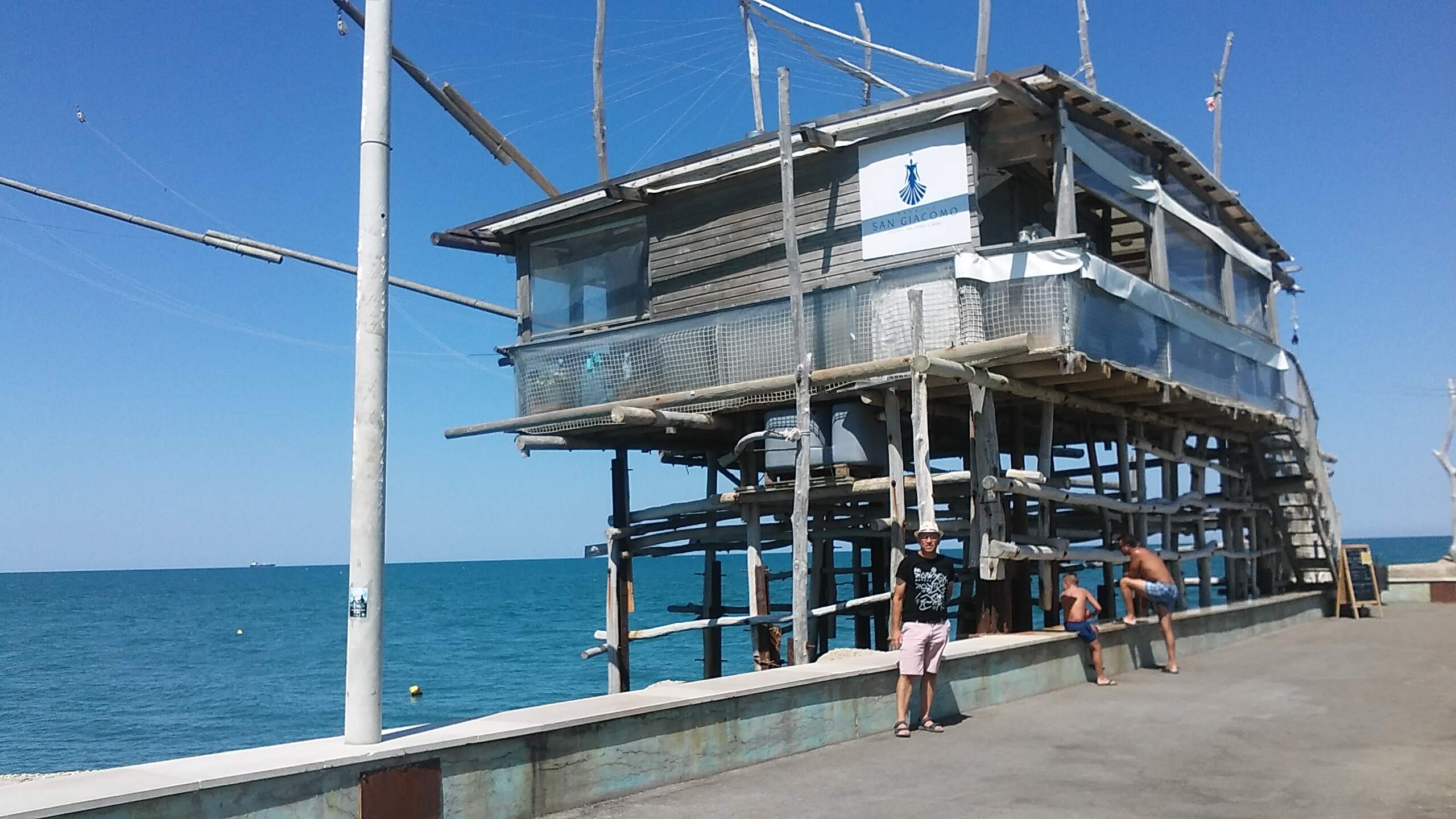
I explored this stretch of coast "only" in the municipalities of Ortona and San Vito Chietino and I noticed the great variety of coastline that in a few kilometers passes from sand to pebbles, to rock with the presence of these stilts that were once used for fishing. To signal small restaurants that prepare the mixed fried at every hour, with take away service, fish that I tasted in foil while walking along the seafront of San Vito.
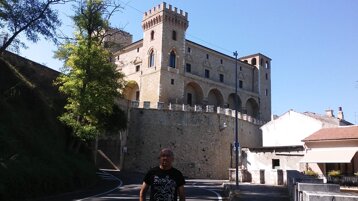
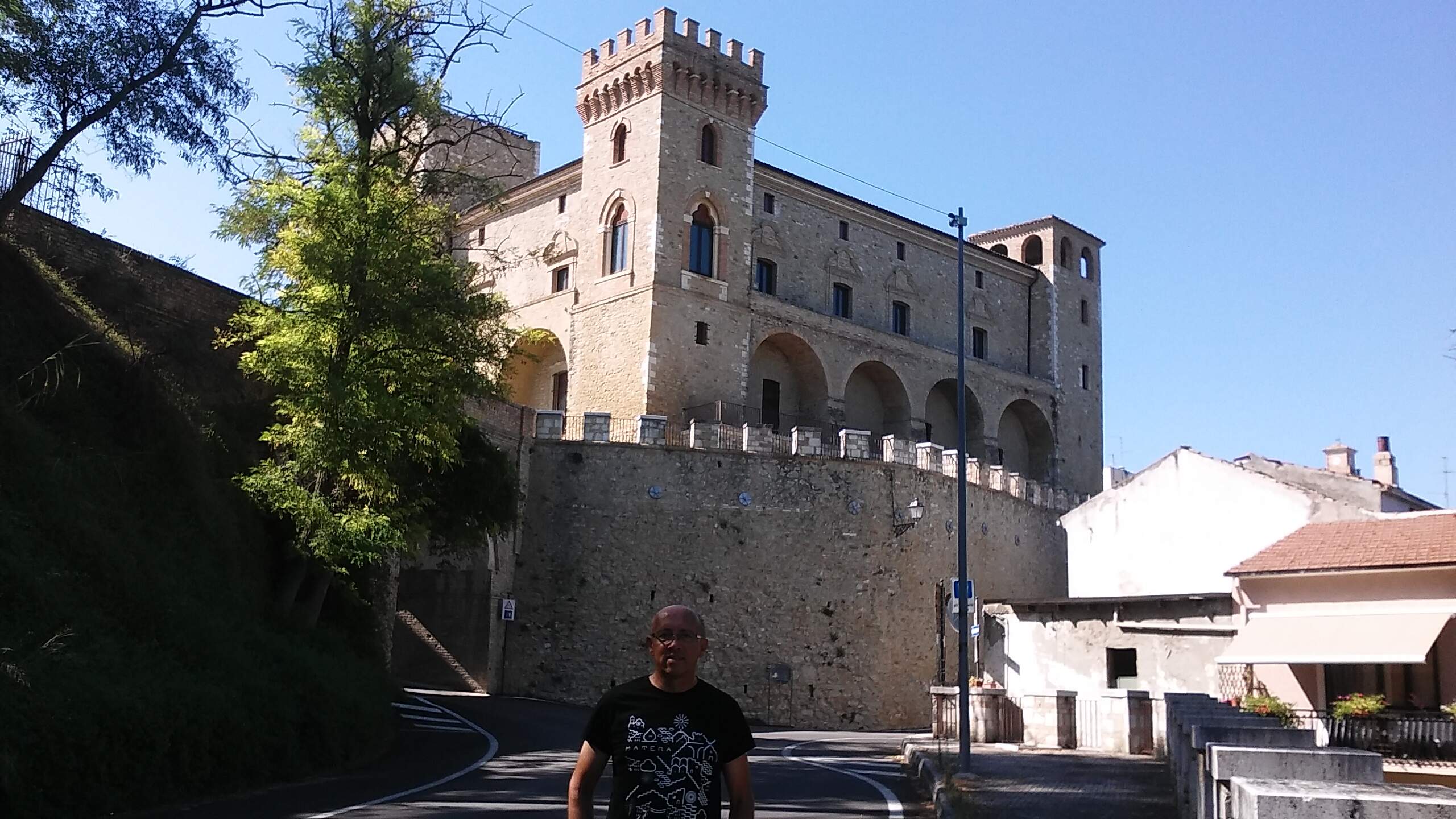
This hilly country struck me for the peace that reigns there. I wandered around this medieval village where many cats are the guardians of the beauties it offers, starting from the mighty Ducal Castle passing through the Church of the Santissimo Salvatore, to finally arrive at the ancient Church of Santa Maria da Piedi, beyond whose walls I have seated and in front of me the uncontaminated woods of the Arielli river valley.
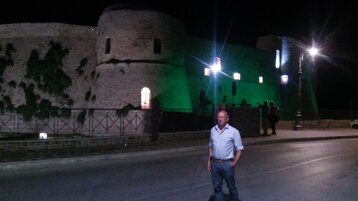
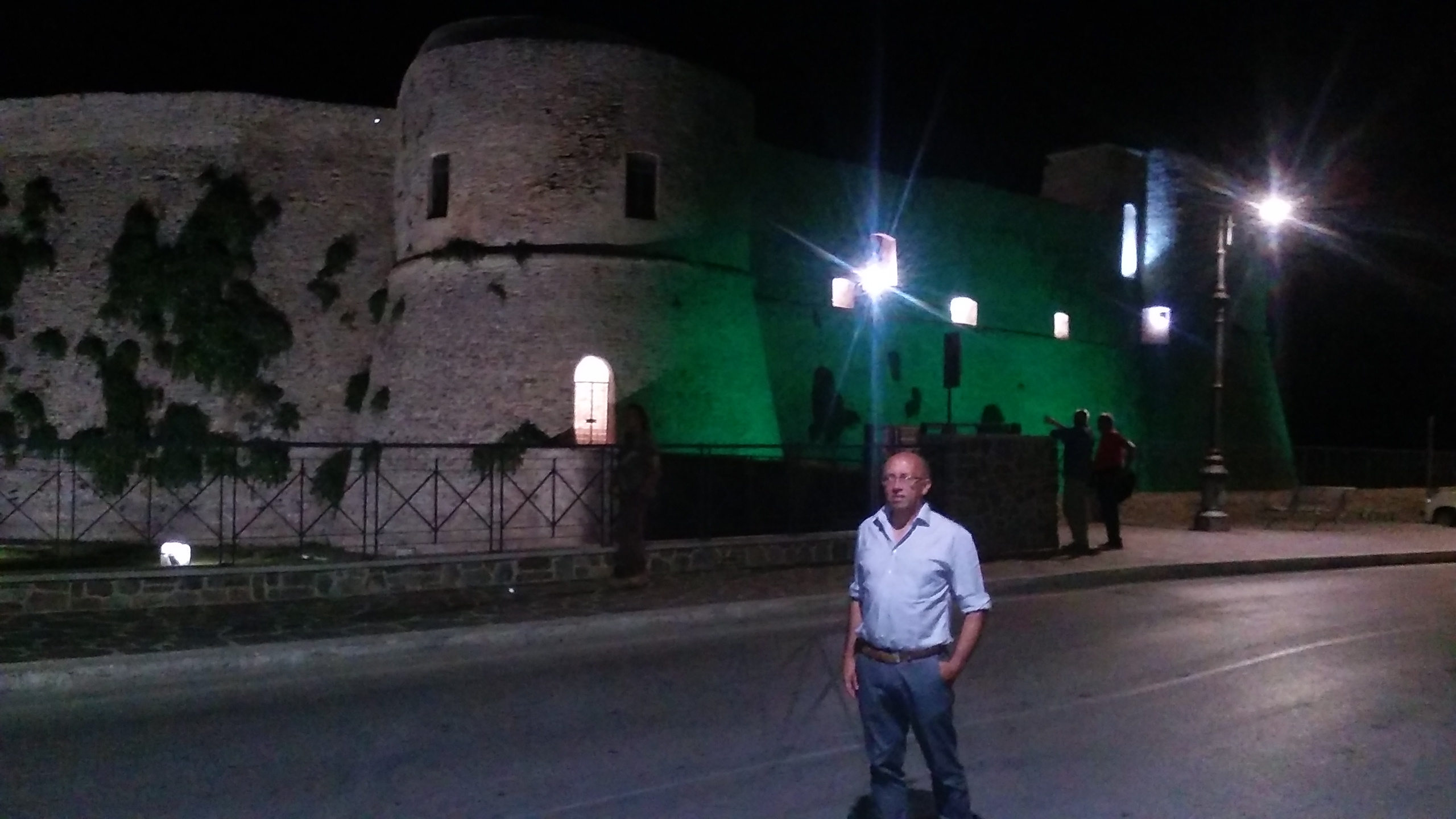
Staying in a hotel literally on the beach allowed me to enjoy beautiful sunsets over the Adriatic Sea from the balcony. I visited Ortona several times during the day, wandering around the marina, the lighthouse area, the historic center and the thriving trade lanes; but it's a summer night, with the village celebrating along the Eastern Promenade and the illuminated Aragonese Castle, which I can never forget...
Pennapiedimonte and "La Majelletta"
Guardiagrele
Vacri and the Regio Tratturo
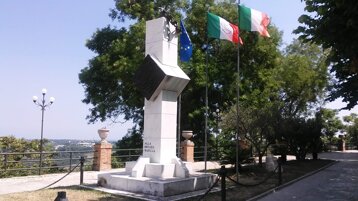
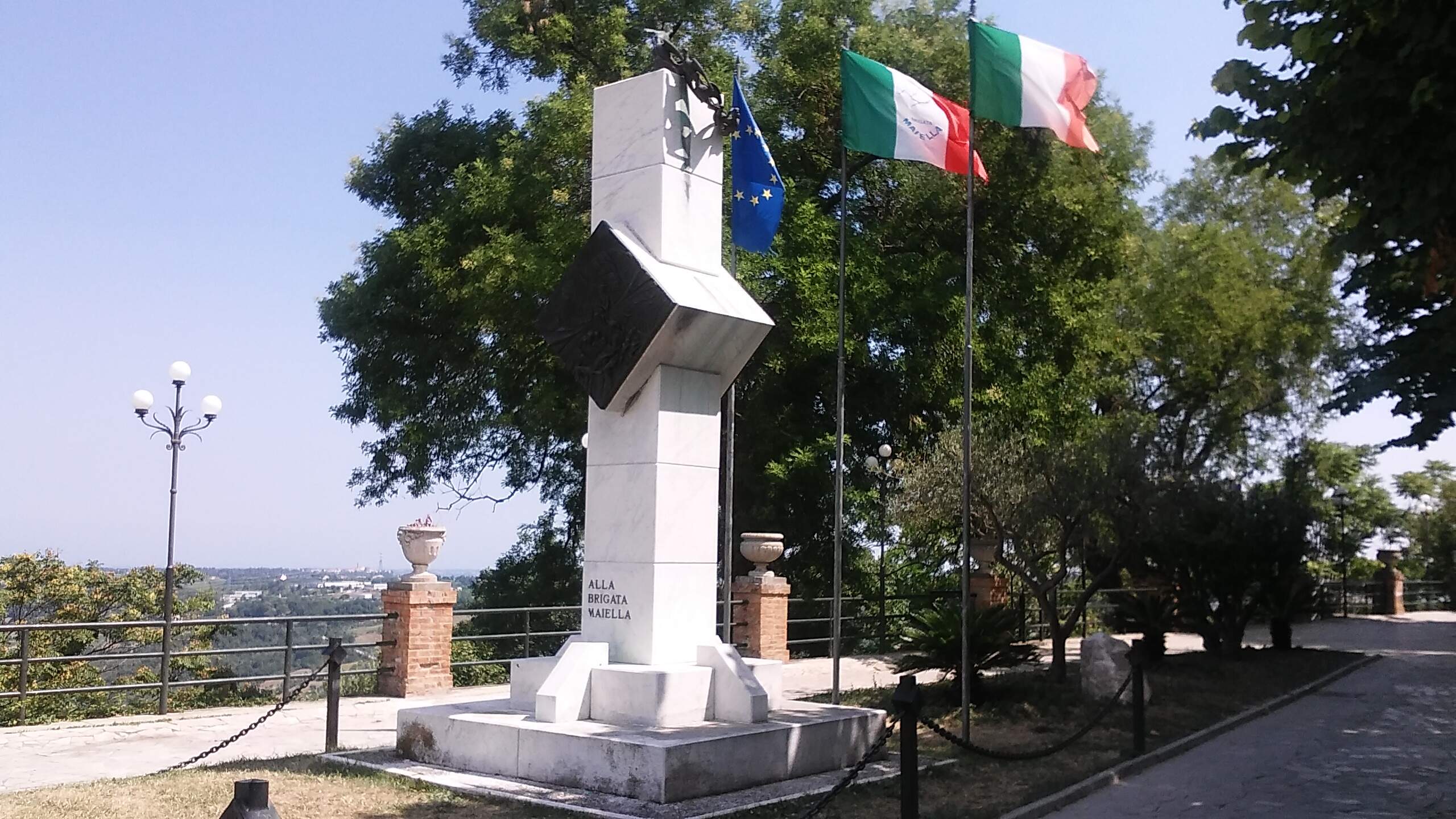
I spent a pleasant day in this place. The first part is dedicated to the visit of the medieval church dedicated to Santa Maria Maggiore, continuing through the Porta and Torre San Pietro to the Villa Comunale with adjoining public gardens and a monument to the Majella Brigade. The second part dedicated to the purchase of typical products of the area to give to relatives; in the Town Hall square I found an Infopoint where I was able to buy saffron, oil and some bottles of local wine, as well as the official Majella Natural Park t-shirt.
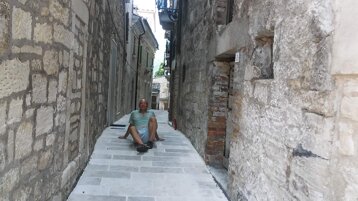
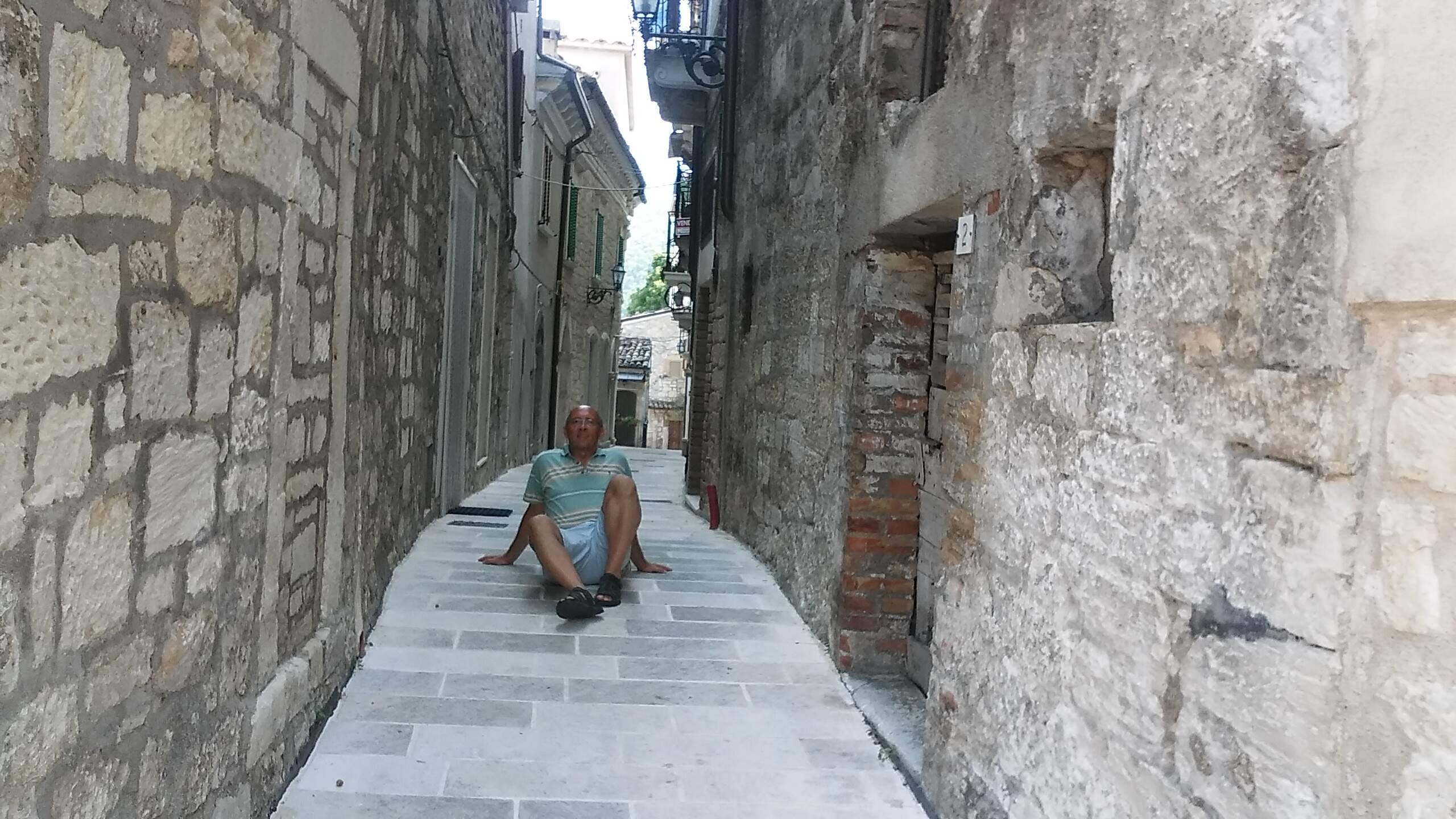
This village, discovered by chance, struck me for several reasons: the position at the foot of the renowned ski resort of Majelletta reachable by a comfortable road surrounded by dense woods; returning to the village, its houses seem carved into the rock and some really are; the very narrow and steep streets, so much so that you have to earn the beauties of this village step by step; and finally the spectacular view from this natural balcony that dominates the Avello river valley to the sea.
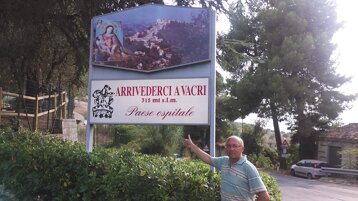
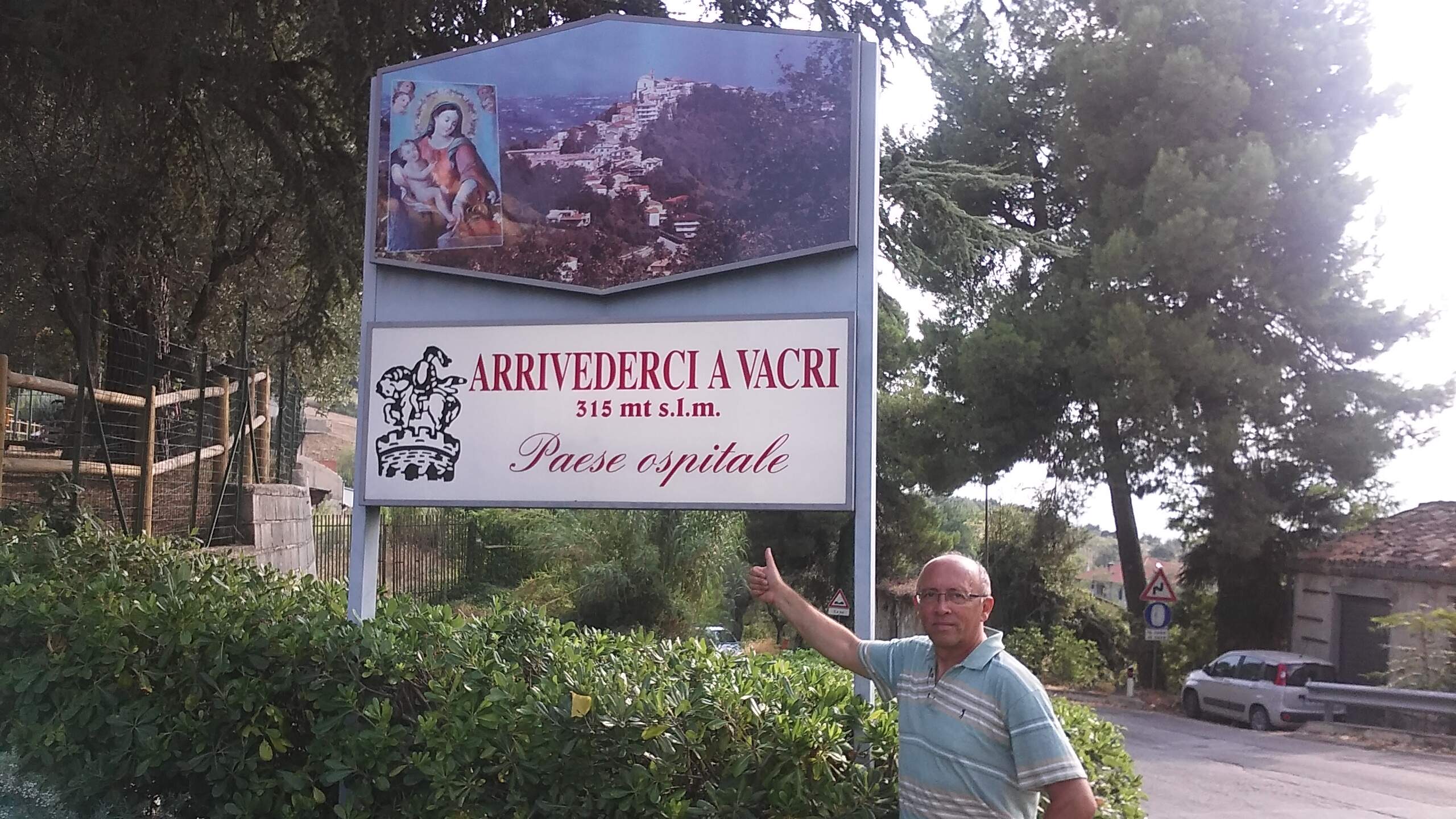
Wandering through the hills between the Majella and the sea I discovered this town with numerous churches. The most important is the parish church of San Biagio located in the center of the town. This municipality is crossed by the Regio tratturo L'Aquila-Foggia, in the past used by shepherds to carry out transhumance. Today of all this, and I am speaking of the 1950s, few but significant traces remain here; the Church of San Vincenzo, a few shepherds' houses in a district immersed in a rural landscape with vineyards on both sides of the narrow road.
Province of L'Aquila
Area: 5047,55 Km² Municipalities: 108
Lake of Scanno
Lake of Scanno
travel stories...
Cocullo
Rocca Calascio
Scanno
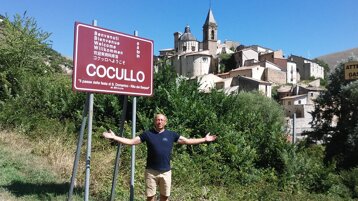
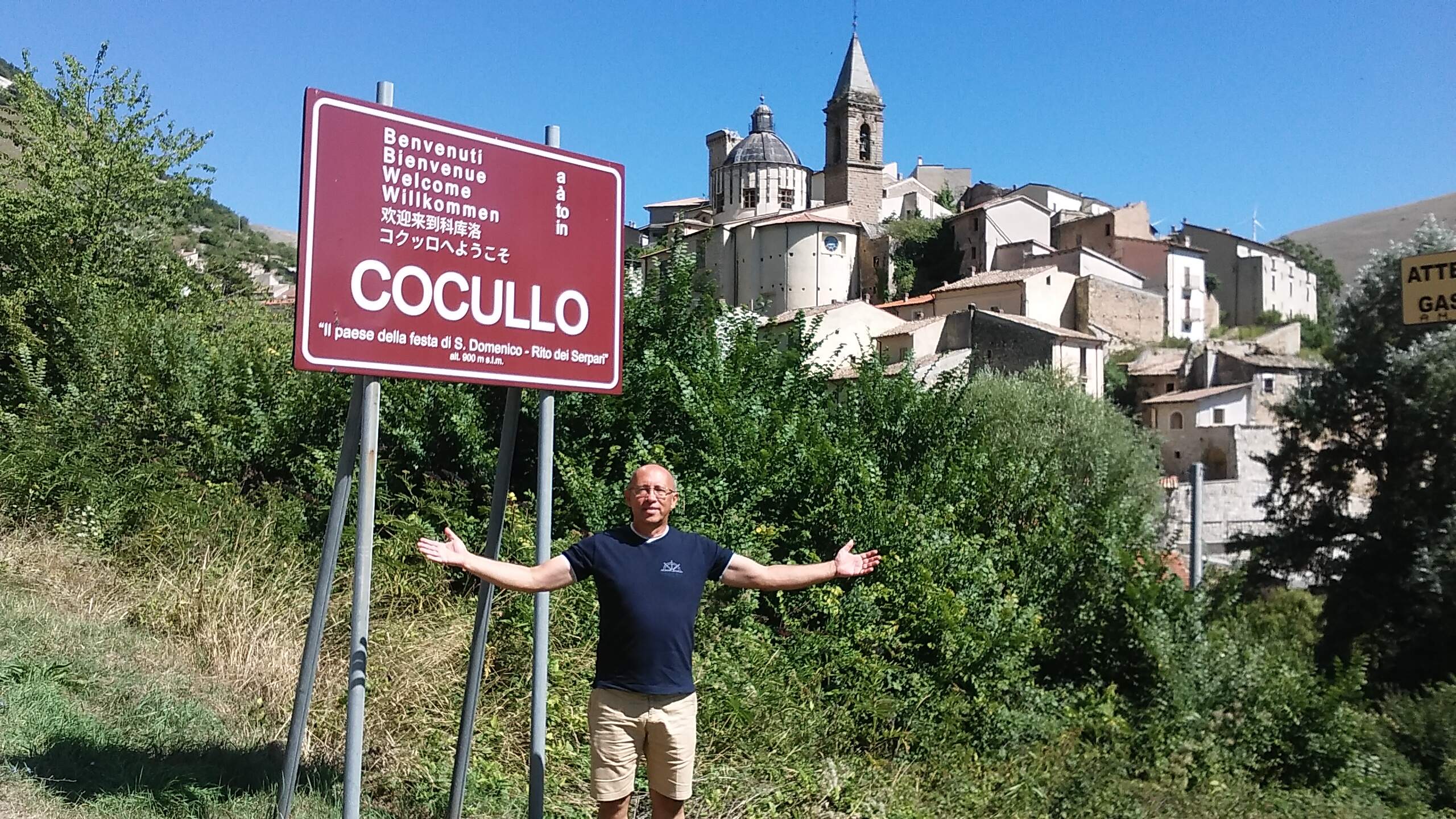
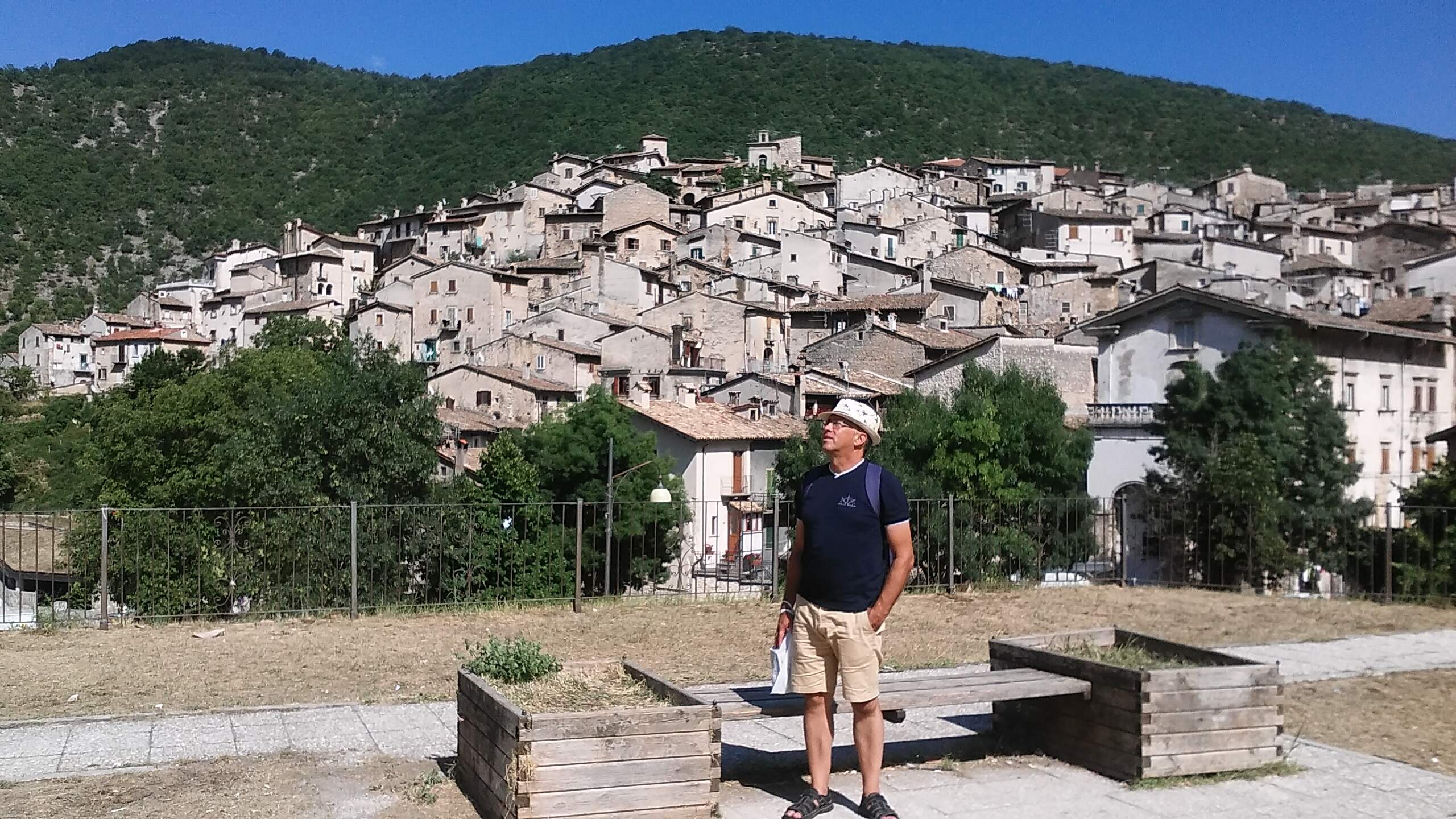
During my exploration in the Sagittario Valley I was able to admire this little gem of just over two hundred souls. At the entrance to the town, where the asphalt gives way to porphyry, you can immediately admire the thirteenth-century fountain. Then a maze of alleys that always lead to some Church, House or Door, testimony of a past rich in history. On the other hand, the motorway and "Parco Eolico" make the naturalistic part uninteresting. I plan to return on May 1st, when the Festa dei Serpari takes place, an event in which pagan rites and religion mix in a ceremony where the main protagonists are snakes.
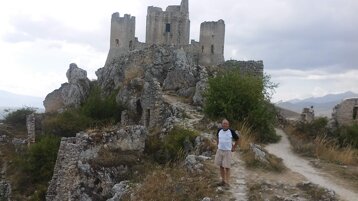
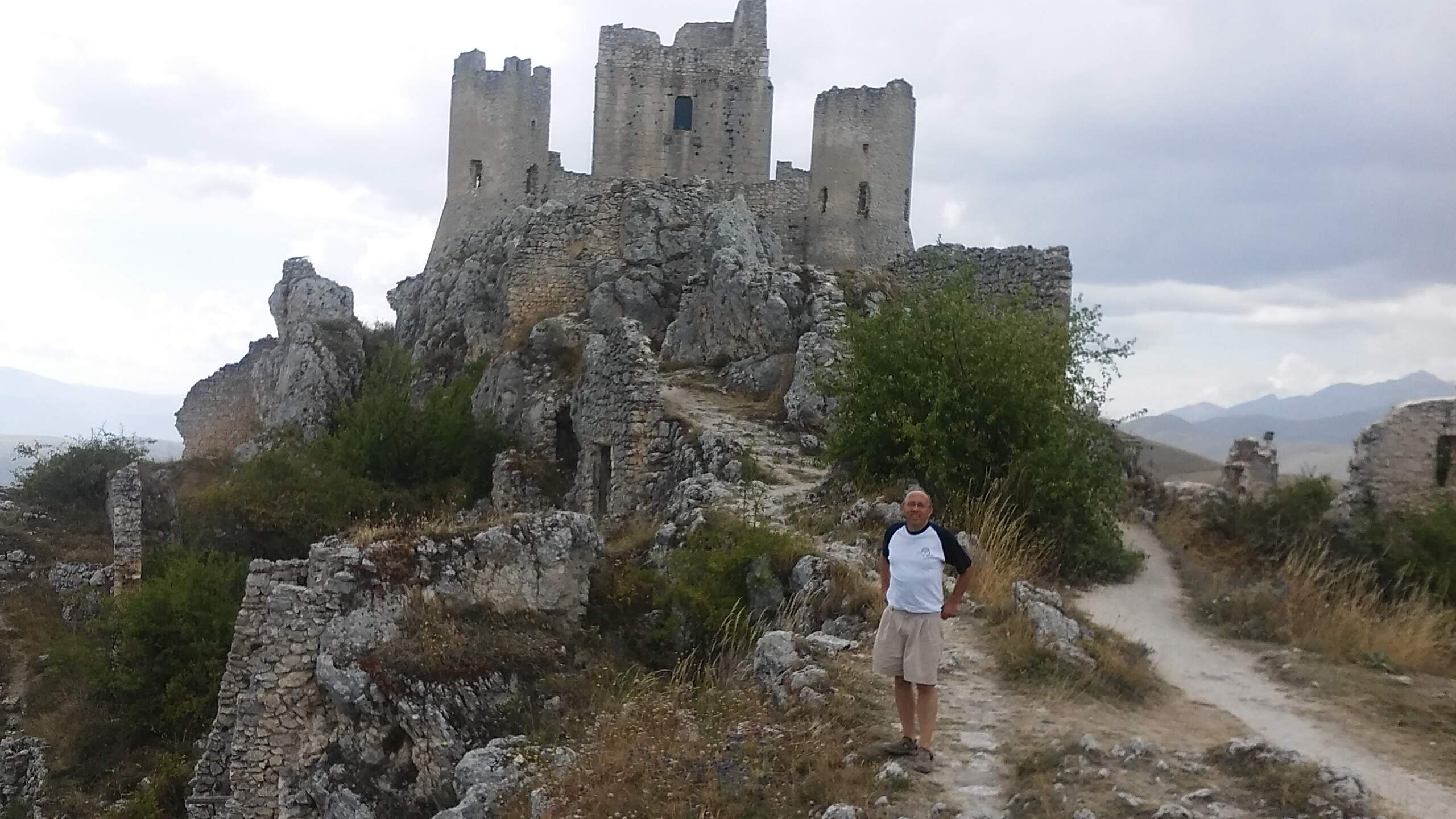
Proclaimed by National Geographic as one of the 15 most beautiful castles in the world, Rocca Calascio does not disappoint. The road that you take by car to the town of Calascio is already panoramic. From there you continue on foot on a steeply ascending path, passing by the oldest districts of this village, leaving which you find yourself immersed in a rugged nature whose reward is the Castle. There they shot numerous films including Lady Hawke. My friends and also some scenes from the Name of the Rose. La Rocca, which dominates the Tirino valley and from which you can admire Campo Imperatore in the background. it is bare of furniture but the charm of these medieval walls is great.
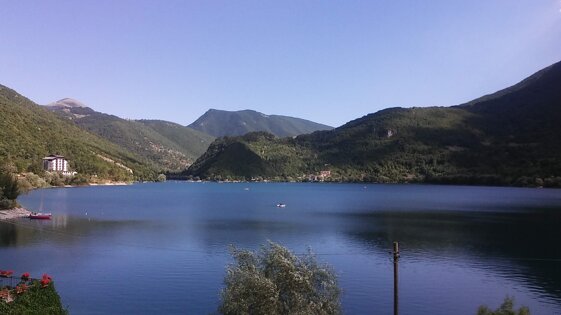
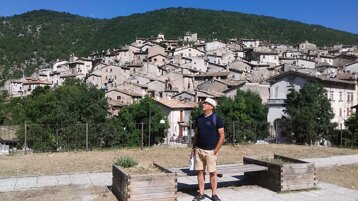
A day here is worth a trip to Abruzzo. I arrived like many others with the illusion of seeing Gemma the bear with her cubs, famous for her raids through the alleys of the town. Instead I found a splendid medieval village made up of churches, medieval palaces, ancient fountains, stairways and hidden corners where in ancient bakeries they bake sweets to taste at the moment. I made a handful of Amaretti, Mostaccioli, Pan dell'Orso and typical local biscuits. Wandering through the flowery alleys with my sweets loot it got late and so there was little time left to admire the blue lake surrounded by the green of the Marsicani Mountains; just the time for a few photos.
L'Aquila
Sulmona
Anversa degli Abruzzi and the Sagittario Valley
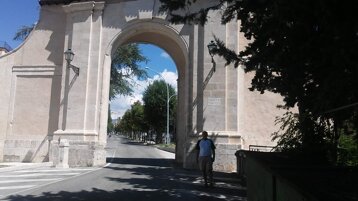
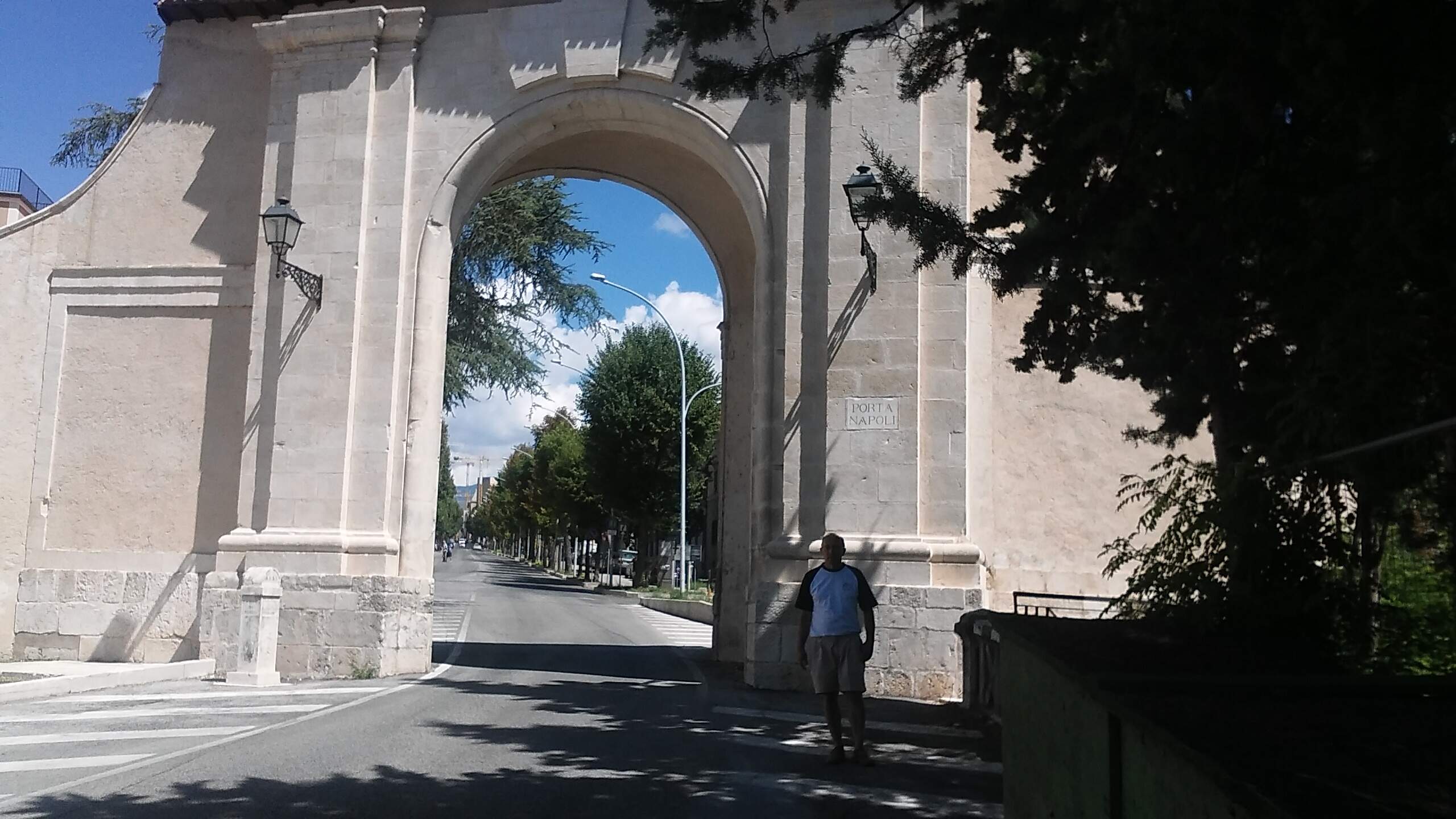
Coming from the Bazzano hamlet, one of the most affected by the 2009 earthquake, I entered through the monumental Porta Napoli; this Arch has been faithfully reconstructed after the serious damage suffered by the earthquake. From there, through a long tree-lined avenue, you enter the historic center, which is still partly open-air construction site. Among the most characteristic monuments I point out the fountain with ninety-nine spouts located in the western part of the city; the water flows from sculptures representing the 99 castles that founded the city. The spouts are placed under a beautiful wall covered with white and pink stones arranged in the shape of a checkerboard. Much remains to be seen for a future vacation of a few days.
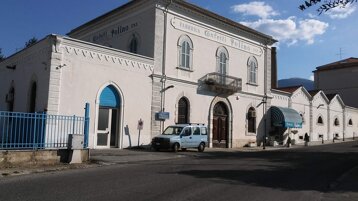
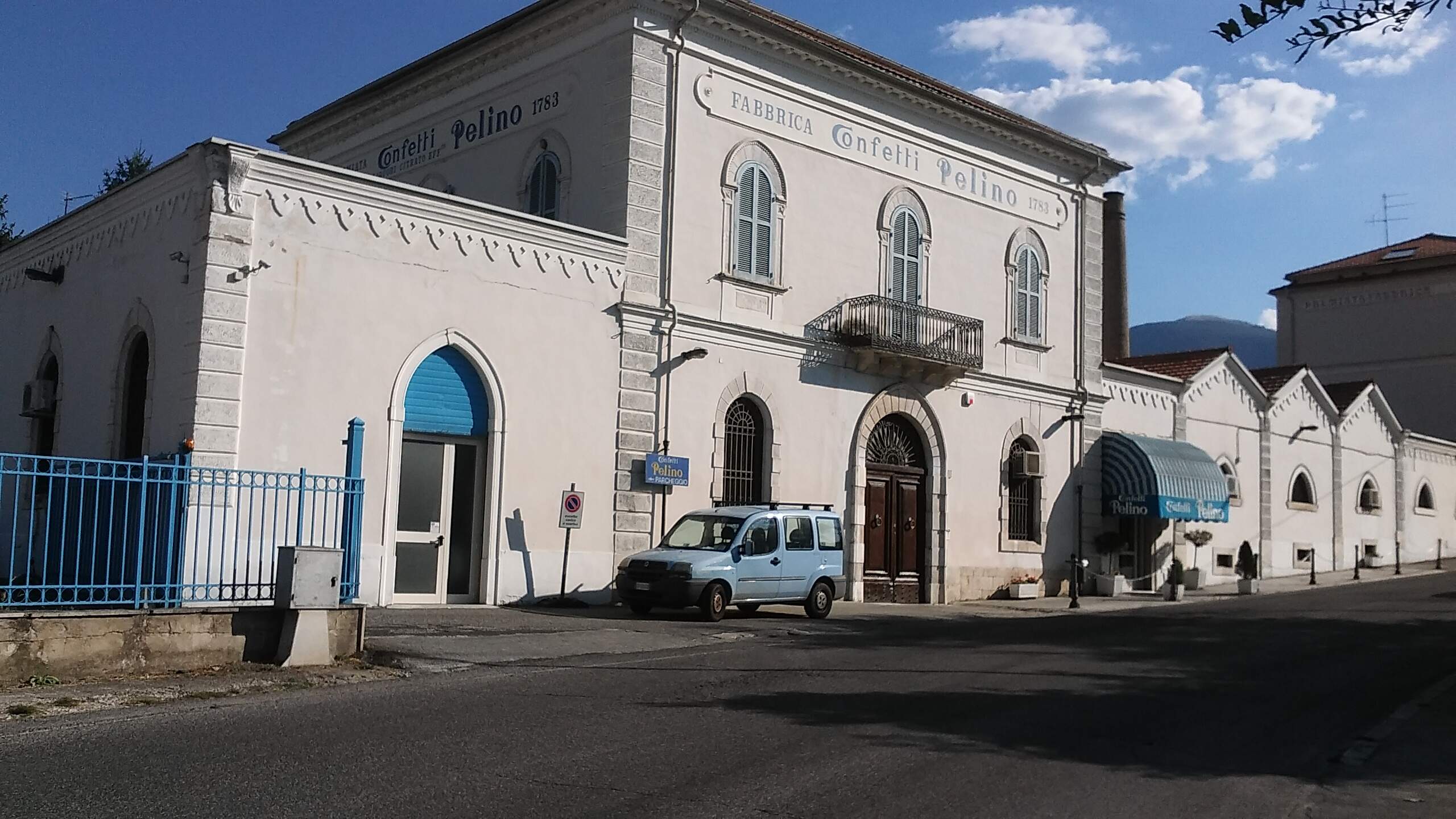
This important center of the Peligna Valley has dozens of Churches, Palaces, Fountains, Doors, Statues. However, the most striking monument is the Swabian Aqueduct; this medieval architecture divides the historic center in two: on one side the imposing Piazza Garibaldi with its fountain in the center; on the opposite side, after passing Corso Ovidio, the Church of the Madonna del Carmine. At this point, however, I confess the reason for my visit: this is a must for gourmands like me. In fact Sulmona is the world capital of sugared almonds. I spent pleasant hours at the famous Pelino company, first tasting and then stocking up on various types of confetti to take home. The annexed Museo del Confetto is also interesting.
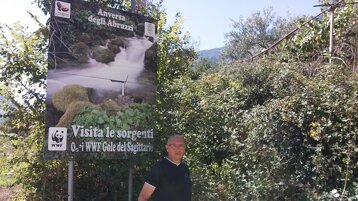
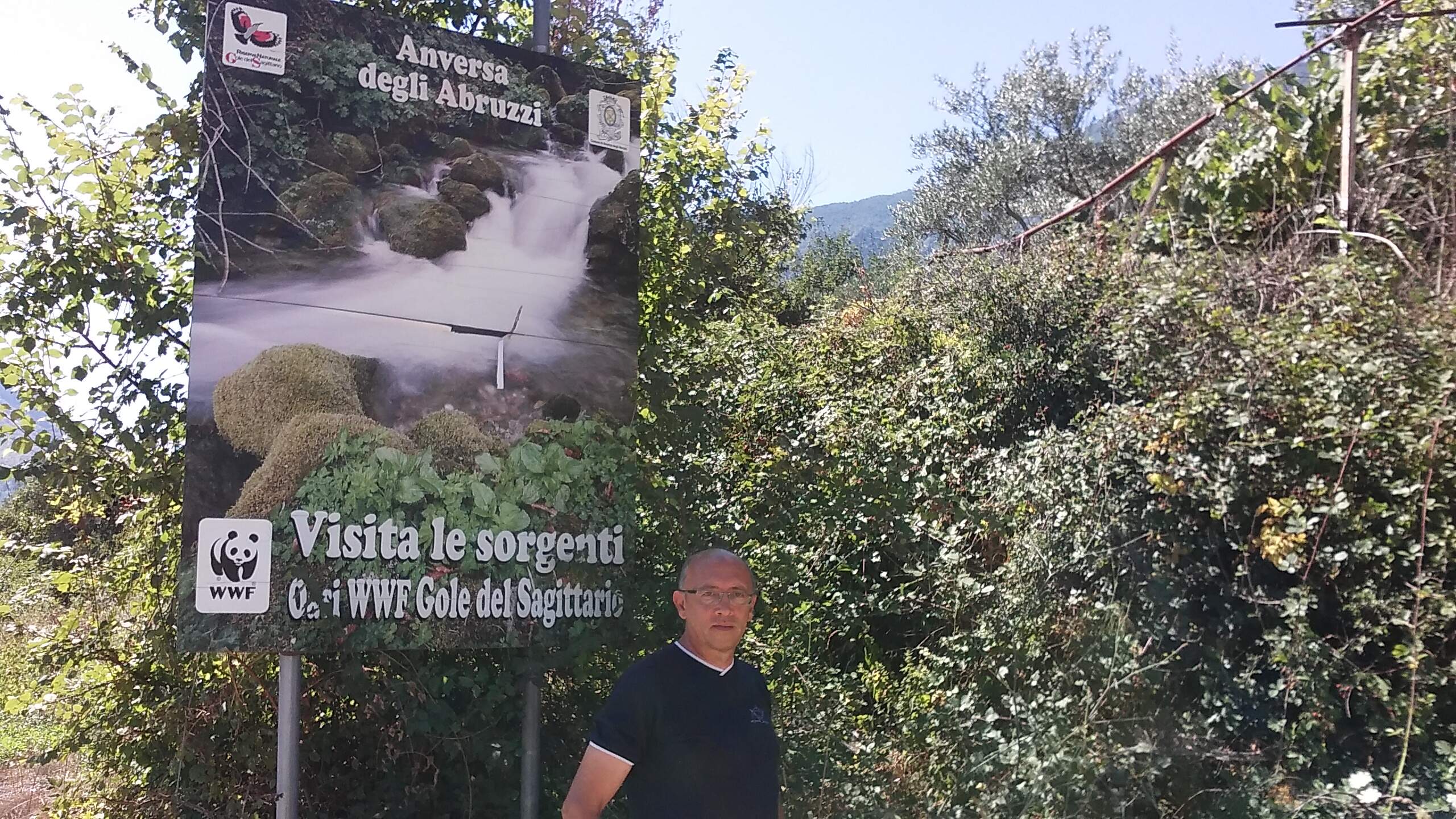
Starting from Bugnara where the valley begins, towards Scanno, we meet the town of Anversa degli Abruzzi. Crossing its narrow streets you reach the Norman Castle made famous by D'Annunzio who, after a visit, set one of his literary works there. Despite the damage suffered by several earthquakes, the castle retains great charm. Here those who want can take a wwf path that passes through the village of Castrovalva. Or as I did, drive along the Sagittario Gorges to Lake San Domenico where, parking on the road permitting, you can reach the hermitage from a pedestrian bridge where the blue of the lake, the green of the forest and the thousand colors of the rocks are a sight for the eyes.
Province of Pescara
Area: 1230,33 Km² Municipalities: 46
Pescara: the coast seen from the Ponte del Mare
Pescara: the coast seen from the Ponte del Mare
travel stories...
Pescara: the city and its monuments
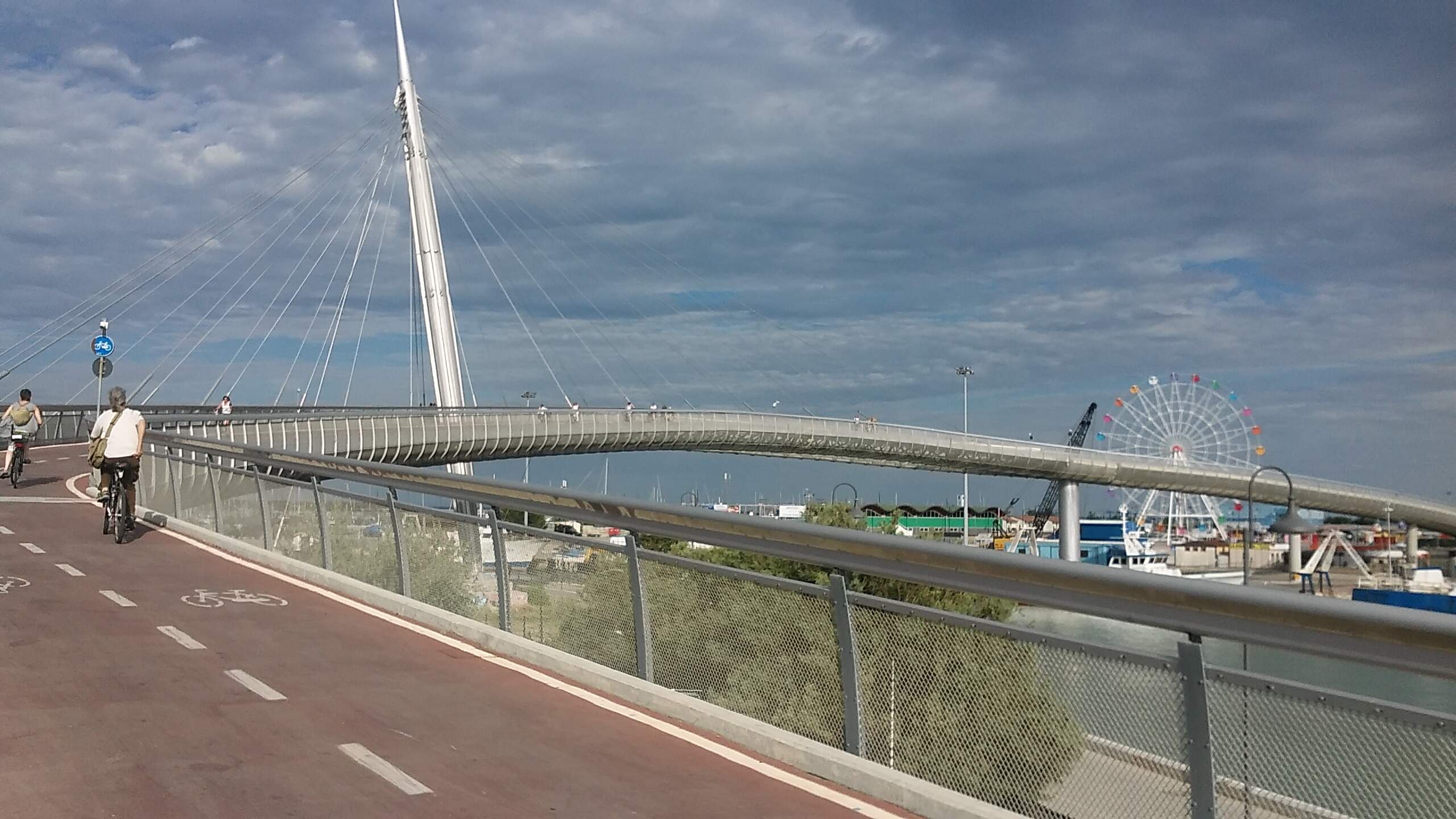
Pescara: the Ponte del Mare and the beaches
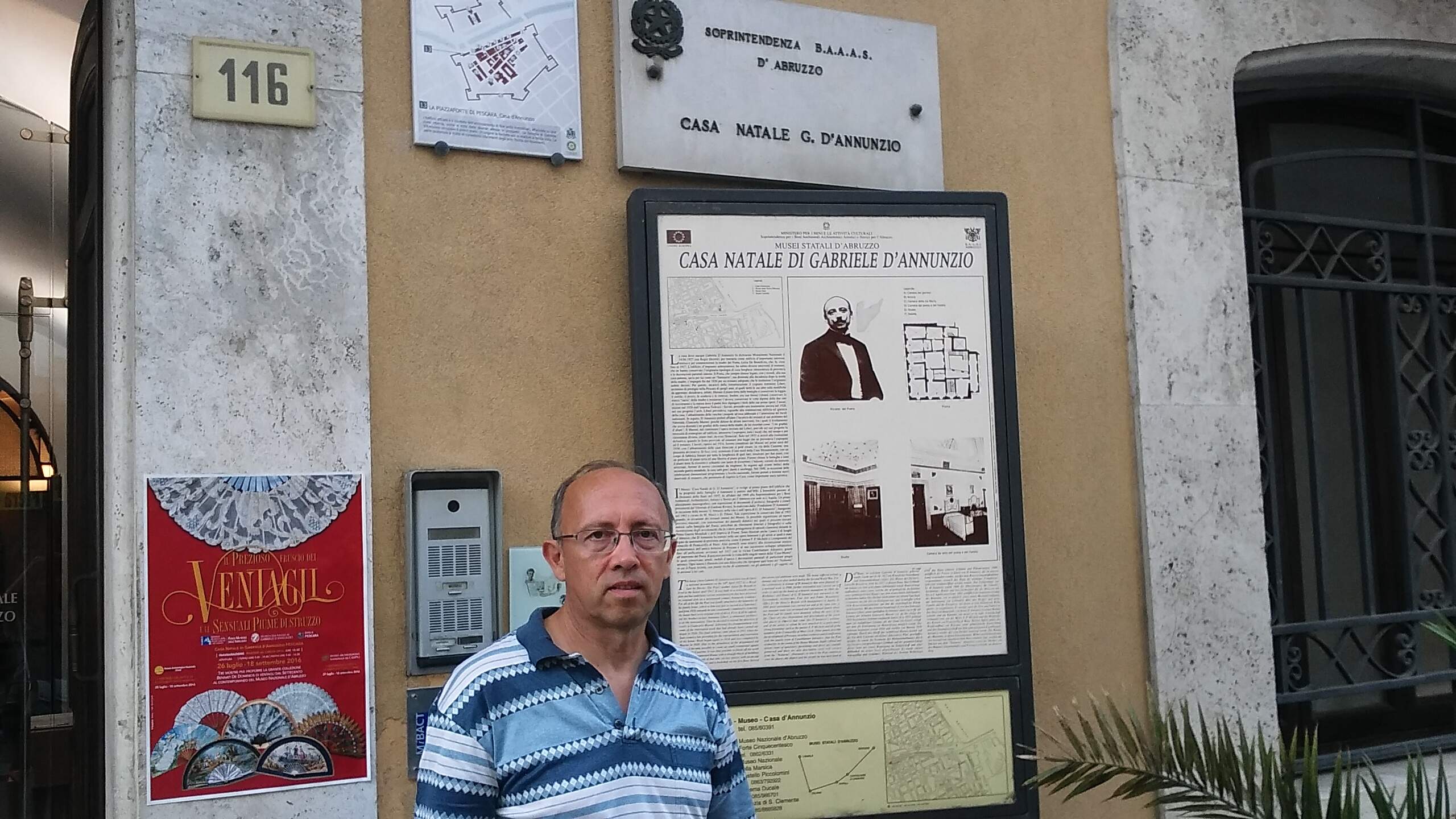
Pescara: D'Annunzio's house
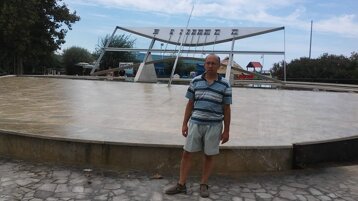
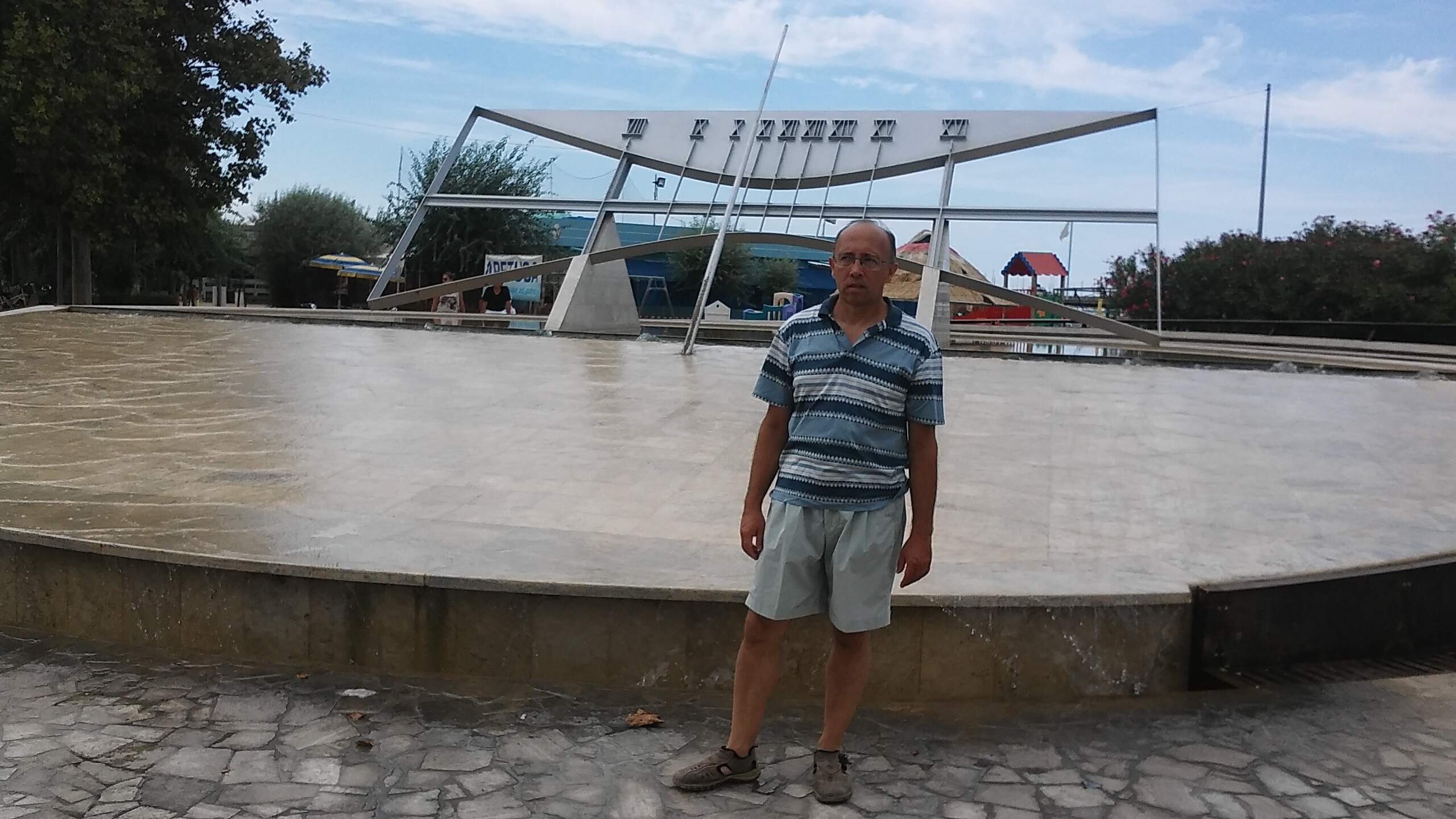
Parked in the area of the Adriatico Stadium I begin my tour. The first stop is the Aurum, a beautiful palace from a century ago, where the homonymous liqueur was once produced, now converted into the "Fabbrica delle Idee" as written at the entrance. I continue inside the Pineta Dannunziana, an oasis of peace in the middle of the city, up to the Auditorium up to the seafront. Here after a while I meet a fountain called La Meridiana that marks the time thanks to a "solar clock" placed in the center of the sculpture; customary photo and then point towards the Cathedral of San Cetteo, the most important religious architecture in the city; white stone facade of the church that I struggle to photograph so many people flock to the center for an aperitif.
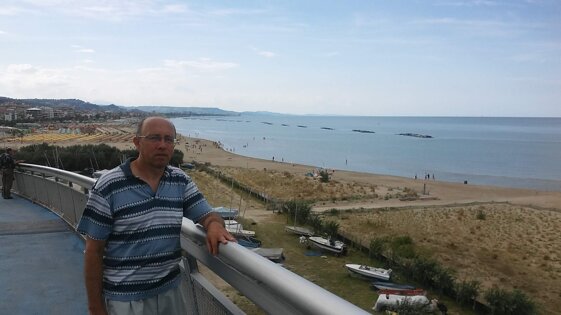
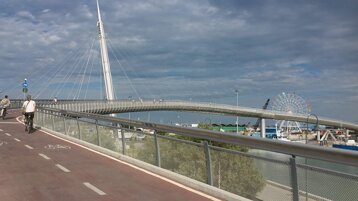
Walking along the seafront coming from Francavilla, you will come across this bridge over the Aterno-Pescara River. This architectural work was inaugurated in 2009 and has a 463 meter long pedestrian lane and a 442 meter long bicycle track (so it is written on a sign at the end of the bridge). At the beginning, the view is over the harbor; turning your gaze to the left you can admire the whole city. But at the top of the bridge you can admire on the right the long sandy beach, partly free, mostly occupied by bathing establishments. It is the perfect spot to admire the panorama of kilometers of coastline while the breeze coming from the Adriatic waves the clouds and kisses my face.
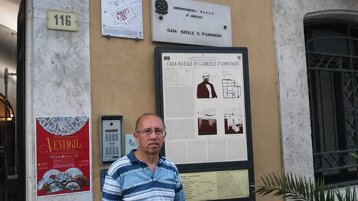
Wandering around the city, many things recall the name of the poet: a bust in the Government Palace, a pine forest, a street, several plaques (one on the Ponte del Mare dedicated to one of his works entitled Water) even the university. But it is walking along the historic Corso Manthonè that Gabriele D'Annunzio's house is found. He was born here on 12 March 1867 and in this beautiful house he received his first lessons in grammar and French from private tutors. The eighteenth-century building has been restored several times, both before and after D'Annunzio's death. Today it has become a House Museum where furnishings, clothes, books, paintings, letters and various relics that tell the life of the poet are kept.
Province of Teramo
Area: 1954,38 Km² Municipalities: 47
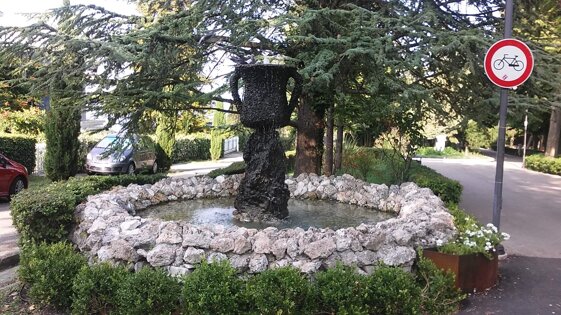
Atri: fountain at the entrance to the municipal park
Atri: fountain at the entrance to the municipal park
travel stories...
Atri
Silvi and its beaches
Pineto and the Torre del Cerrano
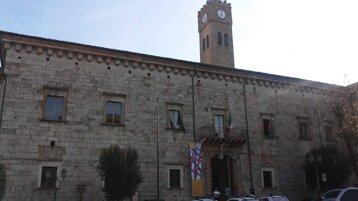
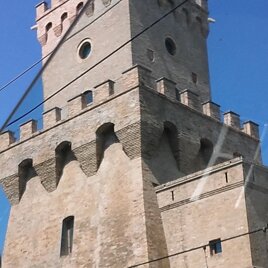
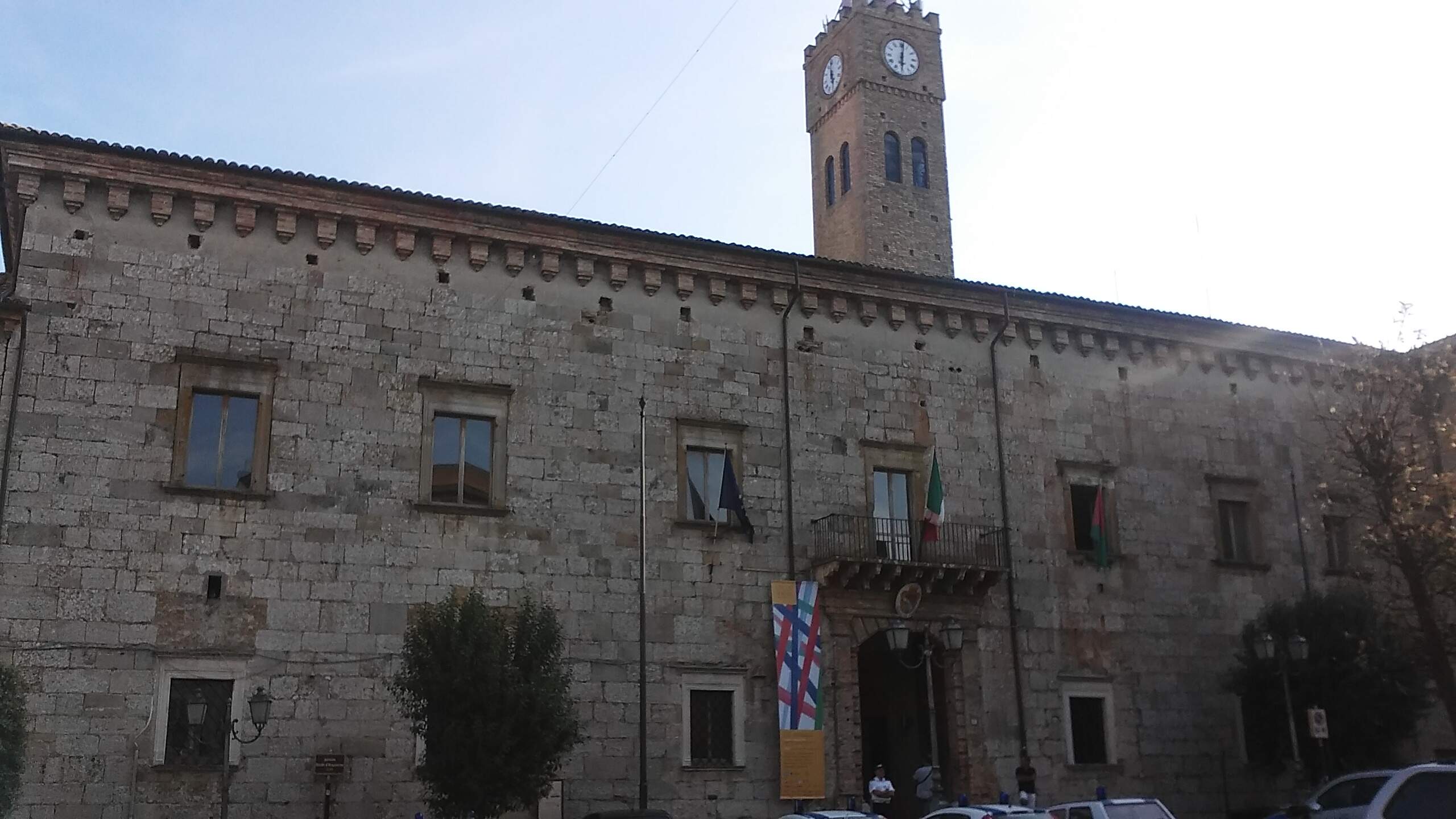
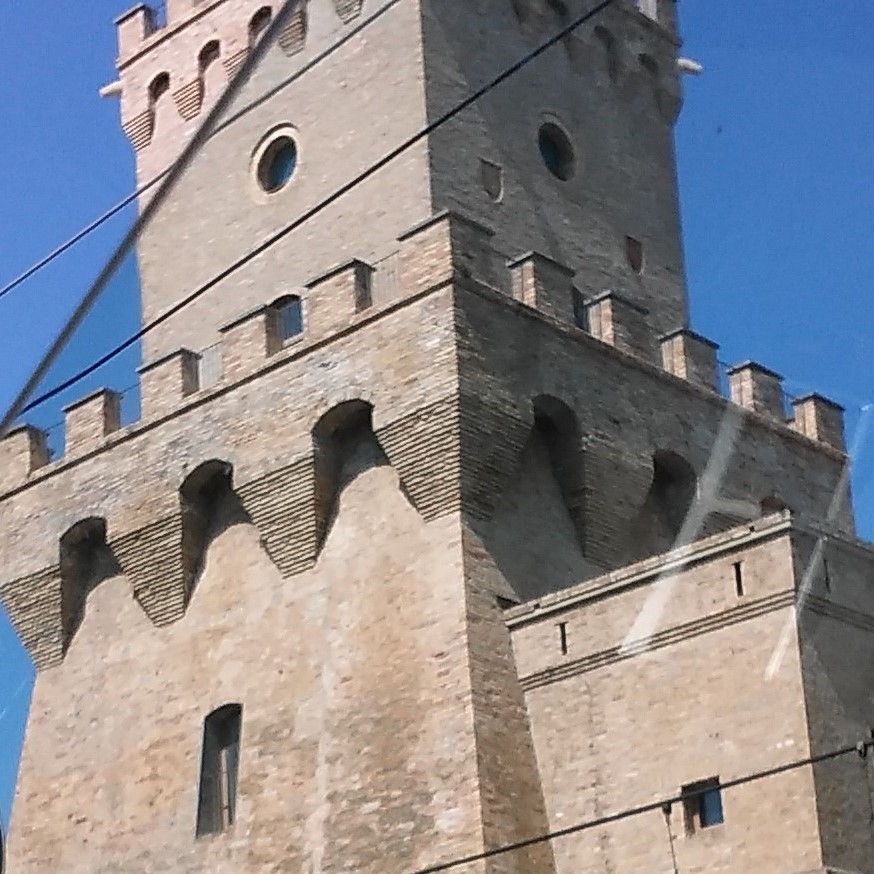
On vacation on the Abruzzo coast, I dedicated a day to this interesting town in the Teramo hills. Parked near the municipal park, stocked up with brochures at the nearby infopoint, I headed to that wonderful porphyry lounge that is Piazza Duomo, where in order I could admire: the Church of Santa Reparata erected in honor of the martyr of Cesarea , then the Basilica of Santa Maria Assunta built in Romanesque-Gothic style, and finish in front of the Municipal Theater which has beautiful decorations on the vault of the facade. I continue to the Church of San Francesco up to the medieval Palazzo dei Duchi D'Acquaviva today the seat of the town hall. Arrived on the northern walls of the village, before my eyes the Belvedere opens up with a view of the Calanchi Nature Reserve, geological formations generated by the water. A few minutes to buy the renowned Atri liquorice and then off you go.
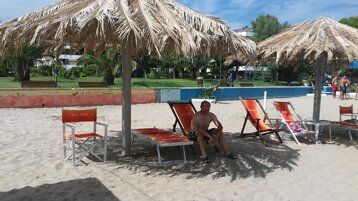
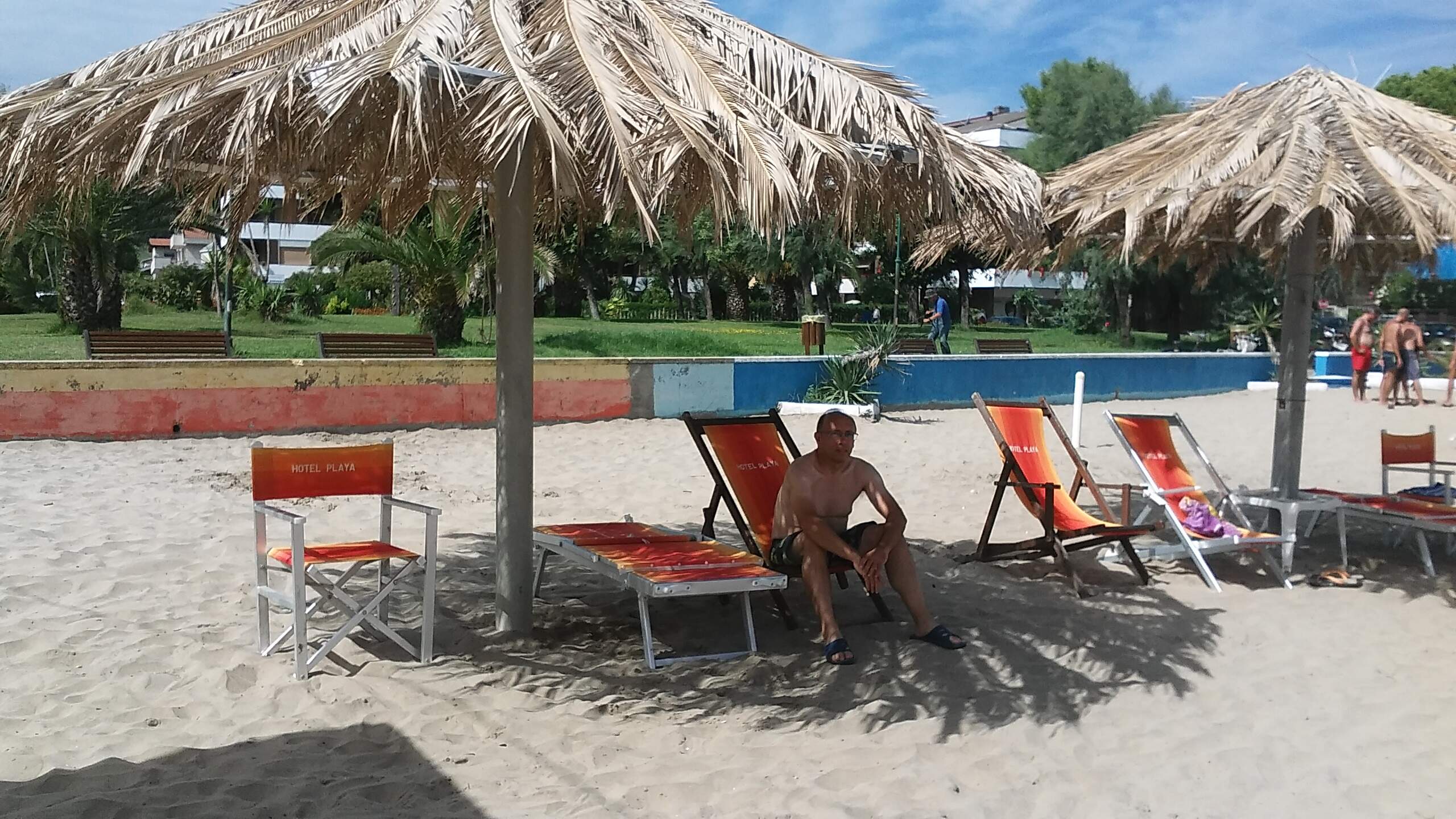
I spent a pleasant week in August at the Silvi Marina hamlet. The town has no significant civil or religious architecture. Its strong point is the sea and everything that revolves around it. Here the beaches are wide, and of soft golden sand; in this case I preferred the bathing establishment to the free beach, as all services are used for low costs. The sea was clean and the water shallow for tens of meters. There were free shows in the square every evening; among my favorites: the ballroom dance, the open-air cinema, the Summerfest with street artists and the show inspired by Frozen the ice queen, the Tiromancino concert and in August the fireworks on the water. The time to send a few postcards and a last dinner on the seafront, then this adventure is also a sweet memory.
This seaside town with a modern imprint concentrates the two main architectural works along viale D'Annunzio: the parish church dedicated to Sant'Agnese and San Silvestro; and Villa Filiani, a historic building with a well-kept garden open to the public in the center; today the villa houses, among others, the Ethnomusicological Museum and in summer it is also open in the evening. But for a nature lover like me, the strong point of Pineto is that instead of the seafront, it has a pine forest that divides the city from the sea; it was pleasant to walk in the shade of the different species of pine to the splendid Torre del Cerrano; this Tower is located a few meters from the beach, beautiful and wild as few in the Teramo Adriatic.