© Vietato l'utilizzo dei contenuti senza autorizzazione

Pietro nel Mondo
Italy
my journey in the 20 regions, 107 provinces, 7907 municipalities of the most beautiful country in the world
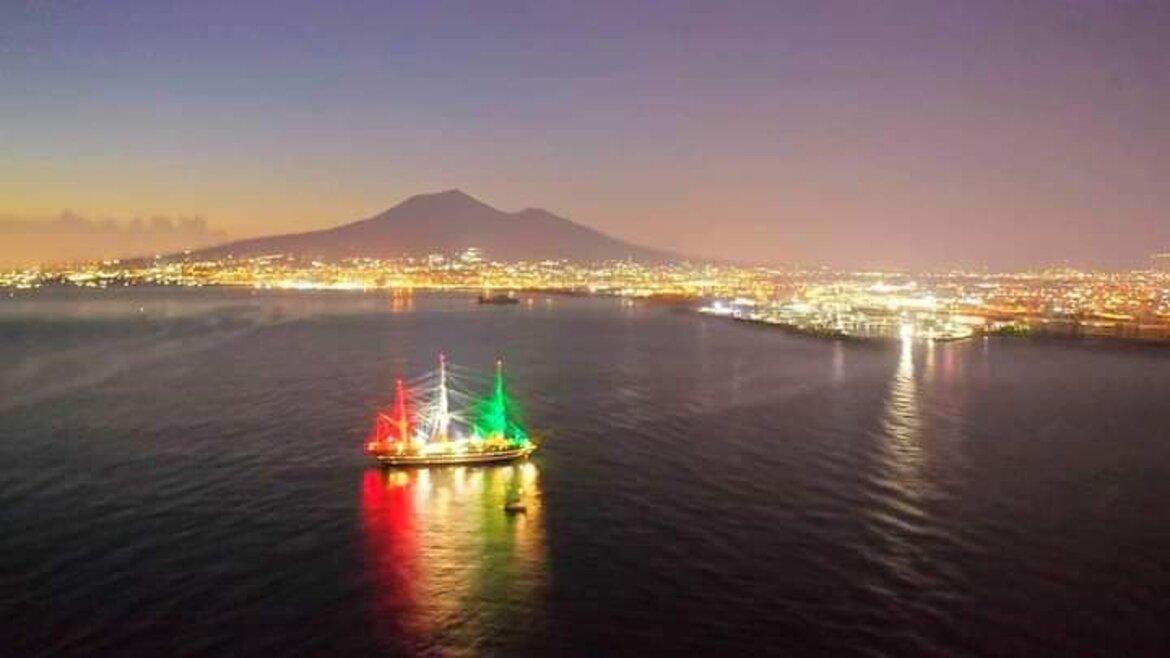
Naples: the Amerigo Vespucci ship, Vesuvius in the background
Naples: the Amerigo Vespucci ship, Vesuvius in the background
Mountains and Volcanoes
35% of the Italian territory is occupied by mountains . The main mountain ranges are the Alps and the Appennines. The Alpine arc has the highest peaks in Europe, all located in the Nord Western sector: Mont Blanc with its 4808 meters is the "Roof of the Alps", follow the Monte Rosa, the Cervino, and the Gran Paradiso, all mountains above 4000 meters. In the eastern alpine section, the area of the Dolomites stands out for its particular beauty. Among my favorites the Adamello massif, mostly covered with woodsand populated by a rich wildlife, first of all the bear. The Apennine reliefs never exceed three thousand meters, with the Abruzzo mountains Gran Sasso d'Italia and Majella to stand out above all; do not miss the Sila and the Pollino area. The active volcanoes Etna, Vesuvius, Vulcano and my favorite Stromboli are full of charm.
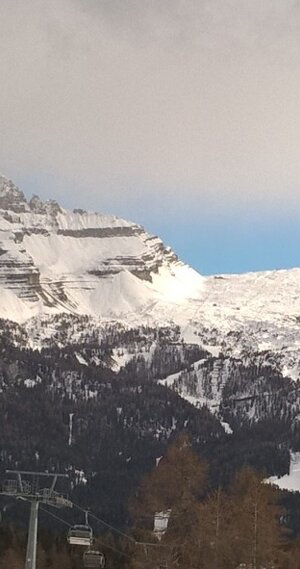
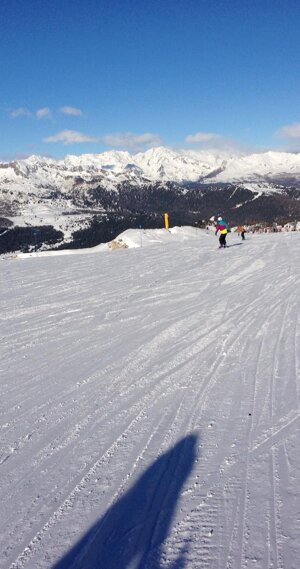
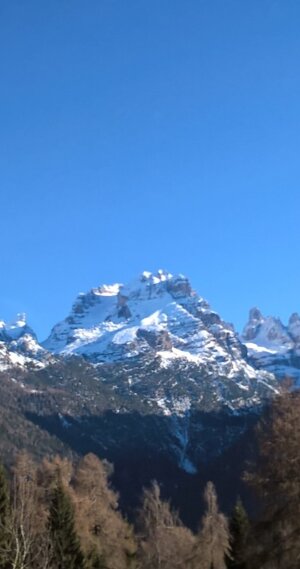
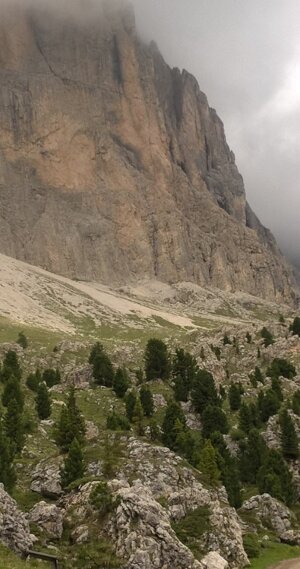
South Tyrol: Sassolungo perennial snowfield Trentino: Pale di San MartinoTrentino: Madonna di Campiglio Trentino: Brenta Dolomites
Hills and Plains
Italy has only 23% of the plain; otherwise it is a mountainous and hilly land. The Po Valley is the largest flat area in Italy, crossed by important waterways and today particularly man-made. Other significant plains are the Maremma, the Tavoliere, the Piana di Metaponto and the Conca d'Oro. Our peninsula is full of hills famous for their vineyards and olive groves: Langhe, Monferrato, Oltrepò Pavese, and Valpolicella in the north, Chianti, Colli Albani in the center, Murgie in the south. I also liked the Gargano very much.

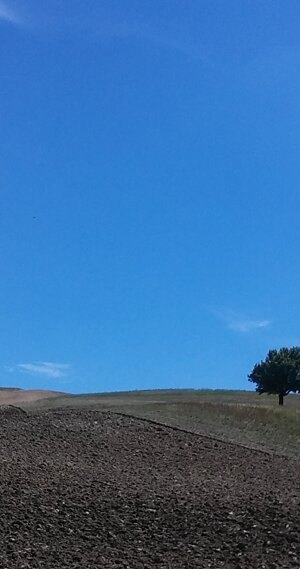

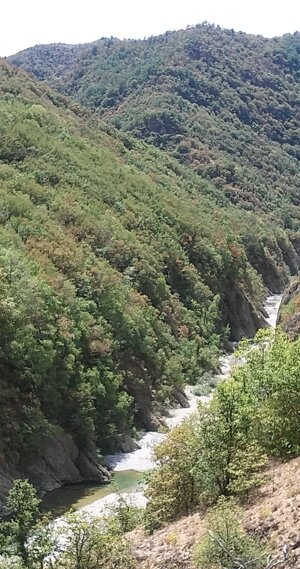
Veneto: ValpolicellaPiedmont: Val BorberaLombardy: Oltrepò PaveseAbruzzo: Tirino Valley
Rivers and Lakes
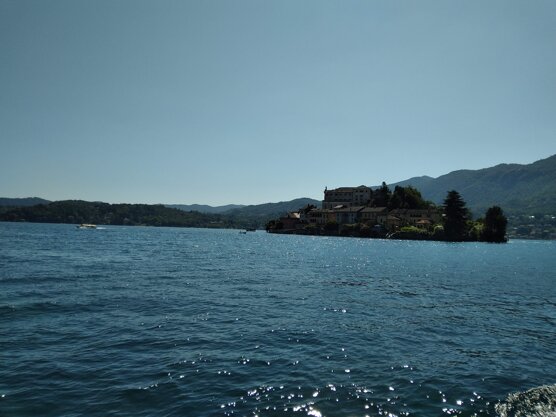
Italian rivers are not particularly long and mostly flow in anthropized contexts; among those that in my opinion are of particular interest I point out the Po, which is navigable for long stretches; the Tiber, with its source which deserves an excursion; the Adda, which flows in the first part in Valtellina; the Ticino rightly called "the blue river" and the Trebbia one of the few to have water without pollution. The lakes, on the other hand, rightly enjoy worldwide fame. Often surrounded by breathtaking views, it is impossible to name them all but Lake Garda, Lake Maggiore, Lake Como, Lake Trasimeno, Lake Lesina, Lake Scanno, Lake Bolsena cannot be missed.

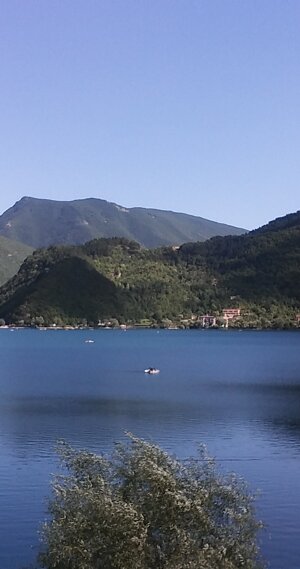
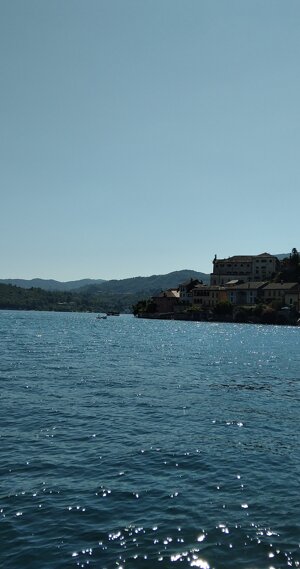
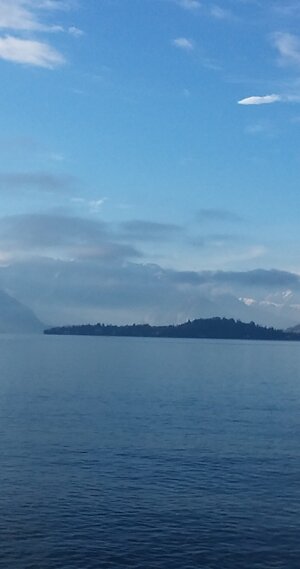
Lake Maggiore: view from the Rocca di AngeraLake of Orta with the island of San Giulio Lake of ScannoTicino river near Vigevano
Beaches and Islands
Italy is strategically located in the center of the Mediterranean Sea and with its 7500 km of coastline, it has a variety of beaches unique in the world. Starting from the Ligurian Sea, in spite of a mainly rocky coast, I found small beaches mostly of pebbles; my favorite places are the Cinque Terre and the Riviera dei Fiori. In the Tyrrhenian Sea the beaches of Sardinia are unbeatable with the Costa Rei and the Gulf of Orosei above all; the Costa dei Cedri is also very beautiful. Moving on to the Ionian Sea, the Costa Lucana, the Gulf of Catania and Salento are special. In the Adriatic Sea my favorites are the beaches of the Gargano. the Costa dei Trabocchi and the large sandy beaches of Friuli. The smaller islands are one more beautiful than the other: my favorites are Stromboli and Vulcano but I left my heart in the Tremiti Islands.
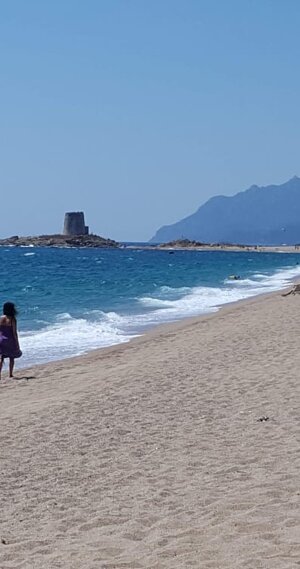
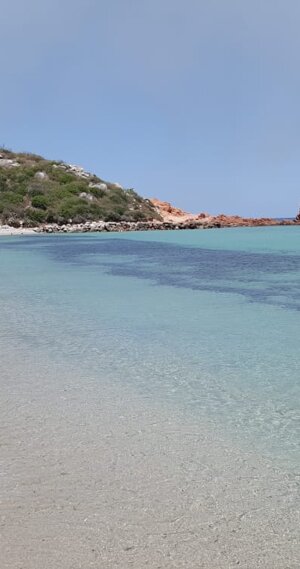
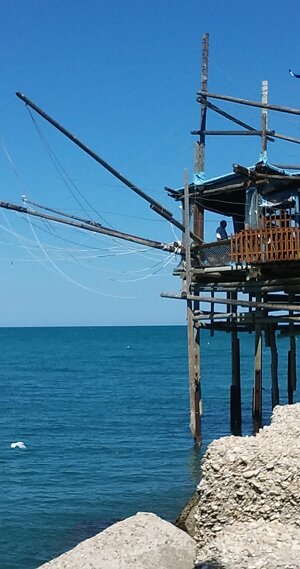
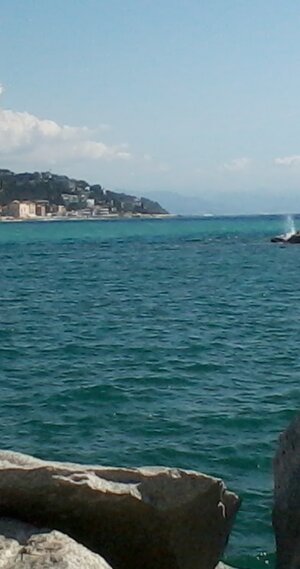
Liguria: Riviera di Ponente in Varazze Abruzzo: Coast of the TrabocchiSardinia: Cea beach in TortolìSardinia Barisardo beach
City
Italy has no megacities, and with the exception of Rome and Milan, no municipality exceeds one million inhabitants. Italian cities are mostly open-air museums. In the north, in addition to Milan, Turin, Venice and Verona, Bergamo, Mantua, Trento and Trieste shine. In the center, together with the well-known Florence, Pisa, Rome and Siena, Ferrara, L'Aquila, Parma and Ravenna stand out with their historic centers. In the south, with Bari, Catania, Naples and Palermo there are the less known but fabulous Benevento, Lecce, Matera and Syracuse.
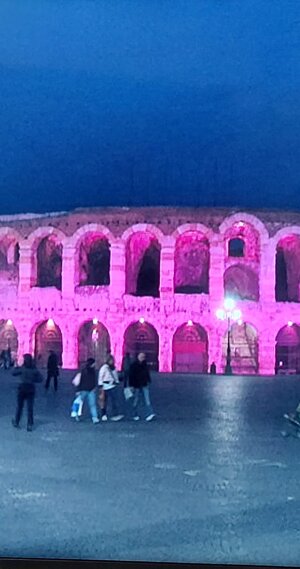
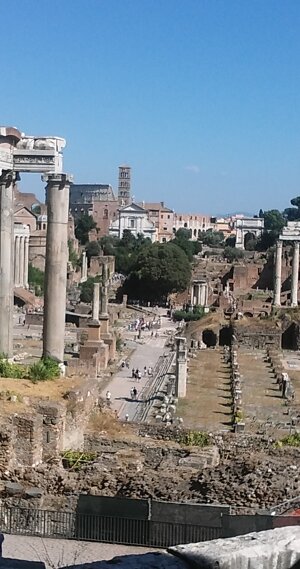
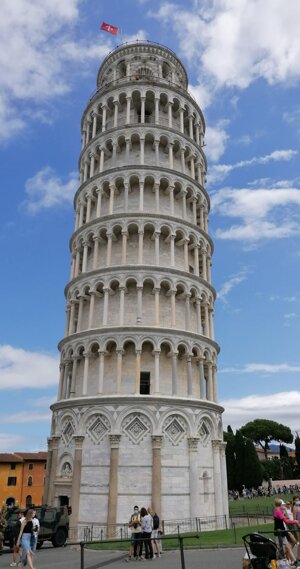
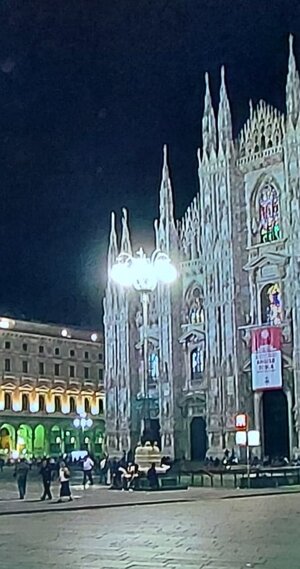
Milan: the Duomo Pisa: the Leaning Tower Rome: the Roman Forum Verona: the Arena
Villages and Castles
If there is one thing for which Italy is unique and inimitable, it is the medieval villages, small treasures rich in history, culture and food and wine specialties. In every region I have found villages with ancient traditions recalled in festivals and folkloric festivals. Impossible to name any of them without hurting others; I refer the ranking of my favorites to another section. When I want to dream, then I go to visit a castle. From the Middle Ages to today there are thousands of medieval castles, Aragonese, Este, Lombard, Sforza, Swabian; the palaces, the fortresses, the forts, the towers, the rock castles and the many princely residences that fill the Italian territory with architectural wonders.
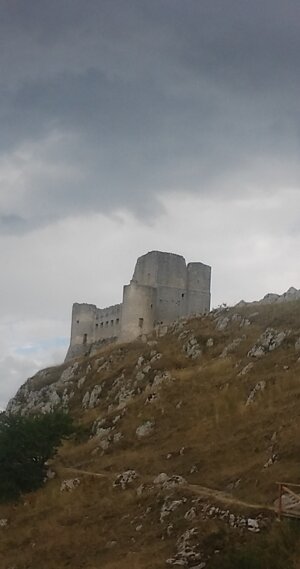
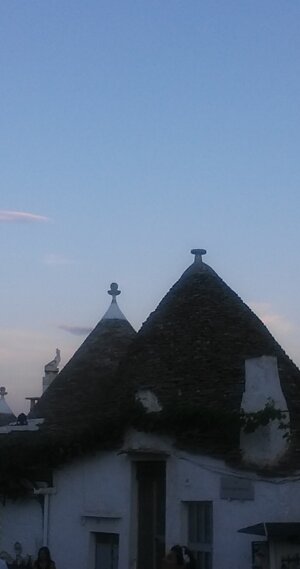
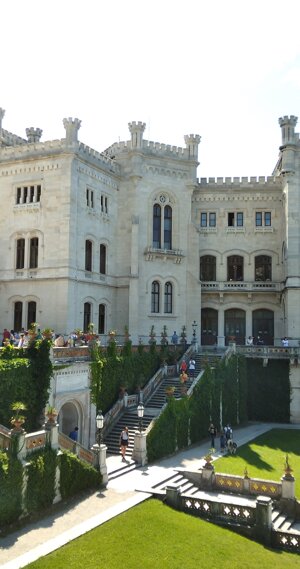
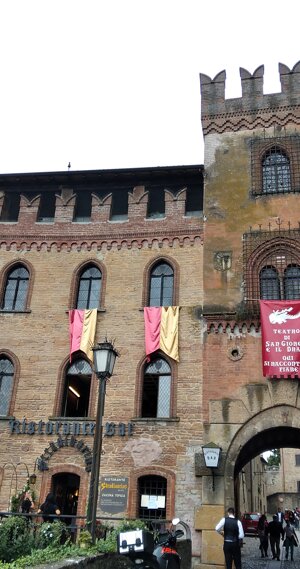
Emilia Romagna: Castell'ArquatoFriuli Venezia Giulia: MiramareCastlePuglia: AlberobelloAbruzzo: Rocca Calascio
ITALY
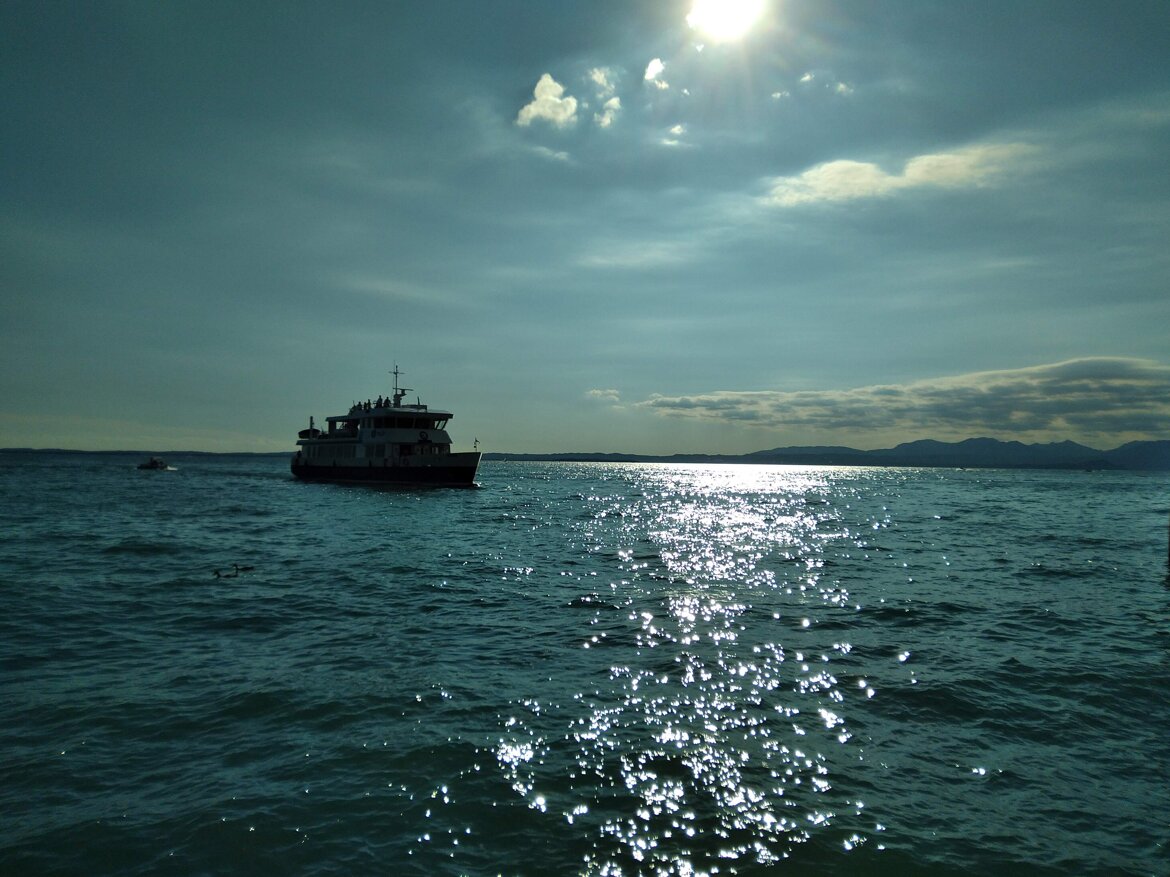
Garda lake: boats docks at the Lasize pier
Garda lake: boats docks at the Lasize pier